Liquid Calories vs Solid Food: Why Your Brain Registers Them Differently
Not all calories feel the same.
You may have noticed this before: drinking a smoothie, juice, or sweetened coffee can add substantial energy to your day — yet it often doesn’t create the same sense of fullness as eating a solid meal. This isn’t about labeling drinks as “bad.” It’s about understanding how the brain and digestive system interpret different forms of energy.
Why Liquids Often Feel Less Filling
Satiety — the feeling of comfortable fullness — is influenced by several sensory signals:
Chewing
Stomach expansion
Digestion speed
Hormonal responses
Time spent eating
Solid foods naturally engage more of these mechanisms.
Chewing alone plays a surprisingly important role. It slows intake and gives the brain time to register that nourishment is arriving.
Liquids, on the other hand, move through the stomach faster and require minimal oral processing.
The result?
Your body receives energy… but your brain may not fully log the experience as a “meal.” The Speed Factor
Imagine drinking a 250-calorie beverage in under two minutes.
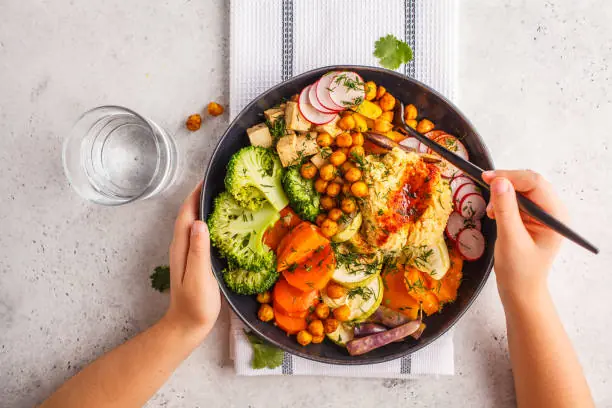
Now imagine eating a 250-calorie plate with fiber, protein, and texture. That might take 10–15 minutes.
Those extra minutes matter — satiety hormones need time to activate.
Fast intake can quietly bypass this system.
Common Situations Where This Happens
Many liquid calories appear in everyday routines:
Sweetened coffee drinks
Fruit juice
Smoothies
Specialty teas
Soft drinks
Meal-replacement beverages
Again, these can absolutely fit into a balanced lifestyle — awareness is the key.
Does This Mean Smoothies Are a Problem?
Not at all.
The difference often lies in composition.
A smoothie made primarily from fruit juice may digest quickly, while one containing: Greek yogurt
Nut butter
Seeds
Oats
may feel far more sustaining due to added protein, fat, and fiber.
Structure shapes experience.
Practical Ways to Stay Aware
You don’t need rigid rules — just thoughtful observation.
Try asking:
👉 “Am I drinking this in addition to meals… or as part of one?”
👉 “Does it keep me full?”
👉 “Could I pair it with something solid?”
For example:
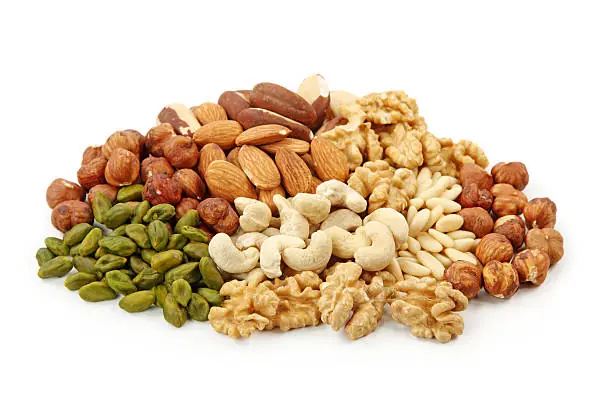
Coffee + nuts
Smoothie + boiled eggs
Juice alongside a fiber-rich breakfast
Small pairings can create noticeable differences in satiety.
The Bigger Insight
Your brain evolved in a world where most calories required chewing. Modern beverages compress large amounts of energy into fast delivery systems.
Understanding this helps you make choices aligned with how your body naturally regulates hunger.
Because nutrition isn’t just about numbers…
It’s about perception.
Sometimes fullness is not only what you consume — but how your brain experiences it.
And awareness is what turns information into intelligence.