Spices Are More Than Flavor: The Hidden Power in Your Pantry
Spices are often treated as finishing touches — small additions that enhance aroma and taste. But behind their vivid colors and fragrances lies a remarkable concentration of plant compounds.
For centuries, cultures around the world have used spices not only in cooking but also in traditional wellness practices.
Modern research continues exploring why.
Why Spices Are So Potent
Plants produce protective chemicals to survive environmental stress. When we consume these compounds, they can contribute to the overall diversity of nutrients in our diet.
Spices are especially concentrated because they are derived from bark, seeds, roots, and dried fruits.
A pinch carries surprising complexity. Everyday Examples
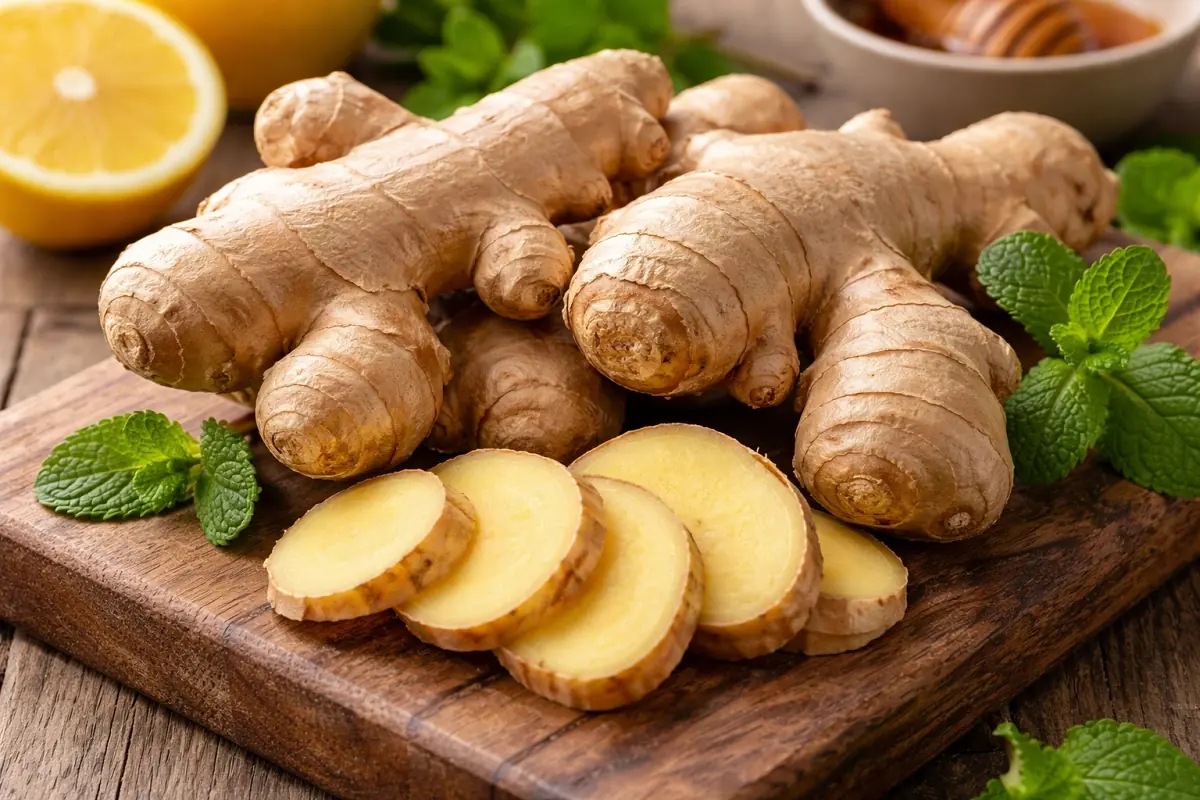
Turmeric contains curcumin, studied for its antioxidant properties. Cinnamon has been examined for its potential role in metabolic processes. Ginger is widely appreciated for digestive comfort. Garlic contains sulfur compounds that contribute to its distinctive profile.
No single spice is a magic solution — but together, they enrich dietary variety.
The Diversity Advantage
Using different spices regularly introduces a broader spectrum of plant compounds, supporting nutritional depth without requiring larger portions of food.
It’s efficiency through flavor.
Easy Ways to Use More Spices
Add cinnamon to oatmeal Stir turmeric into soups
Season roasted vegetables with cumin
Use ginger in teas or stir-fries
Experiment with herb blends
Small amounts make a difference.
A Sensory Bonus
Spices can also make nutritious foods more appealing, encouraging consistency — one of the strongest predictors of dietary benefit.
When meals taste satisfying, healthy patterns become easier to maintain.
Your spice rack is more than decoration.
It’s a quiet resource waiting to be used. Sometimes, the simplest way to upgrade a meal…