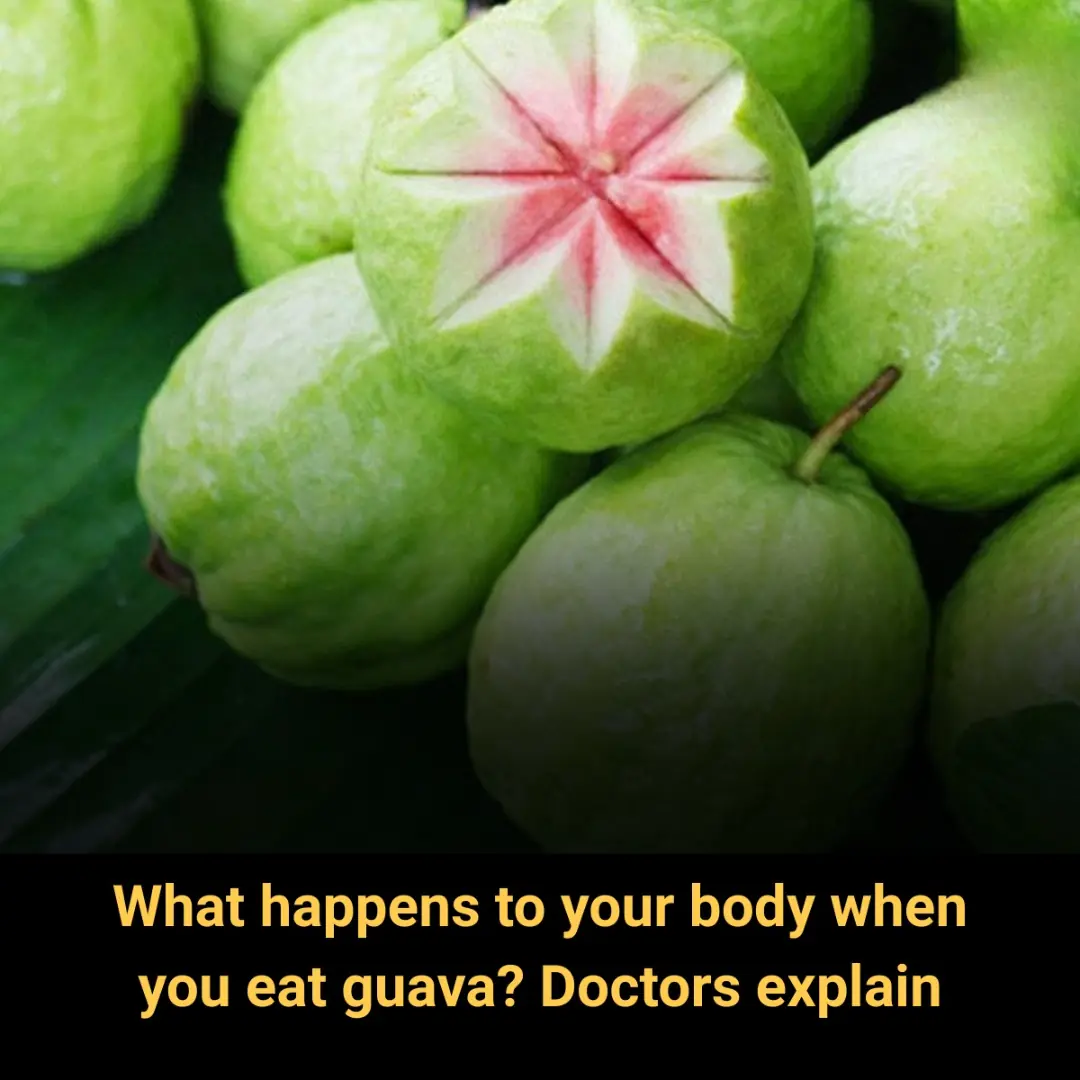
What Happens to Your Body When You Eat Guava? Doctors Explain
Guava is rich in nutrients, but eating it the wrong way may backfire.
Health 11/03/2026 00:34

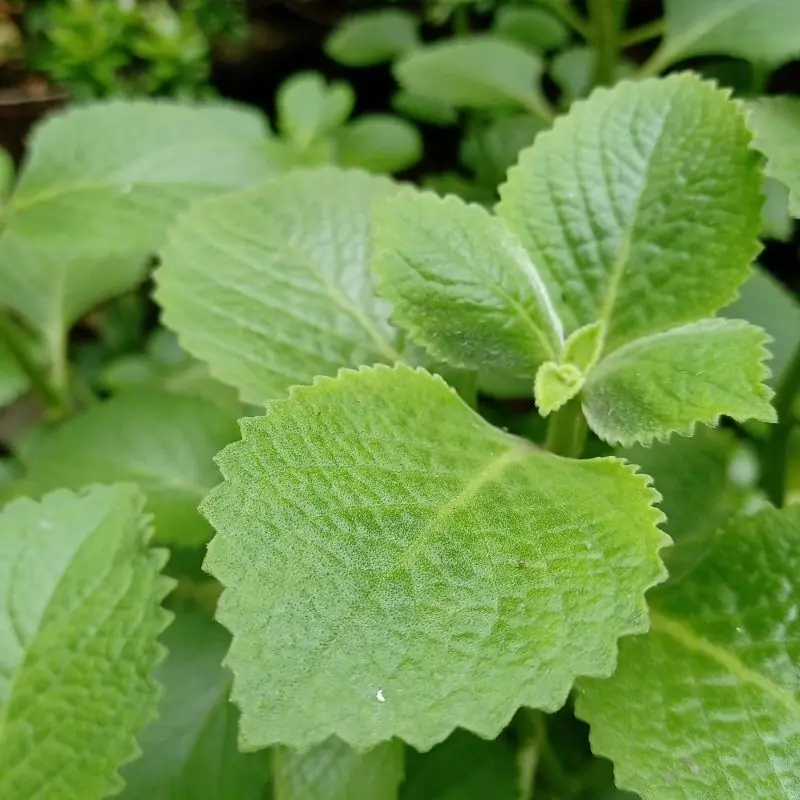
Oregano, a fragrant herb commonly associated with Italian and Mediterranean cuisine, has long been prized not only for its flavor but also for its potential health benefits. While many enjoy oregano as a seasoning for pizzas, pasta, and grilled dishes, modern science has begun to uncover the mechanisms by which this humble herb may support wellness and overall health.
Oregano (Origanum vulgare) is rich in bioactive compounds that contribute to its health-promoting properties. Key components include:
Phenolic compounds: These plant-based compounds act as antioxidants, protecting cells from oxidative stress caused by free radicals.
Carvacrol and Thymol: Two essential oils with documented antimicrobial and anti-inflammatory properties.
Vitamins and minerals: Oregano provides small amounts of vitamin K, vitamin E, calcium, and manganese, supporting bone health and metabolic processes.
Flavonoids: Compounds such as luteolin and apigenin in oregano have been linked to cardiovascular and immune system benefits.
This rich nutritional profile makes oregano a potent herb that contributes not only flavor but also functional benefits when incorporated into the diet.
One of oregano’s most studied benefits is its antioxidant potential. Antioxidants help neutralize free radicals - unstable molecules that can damage cells and contribute to chronic diseases such as heart disease, diabetes, and cancer. Studies have shown that oregano extracts exhibit strong antioxidant activity due to their high levels of phenolic acids and flavonoids. Regular consumption of oregano, either fresh or dried, may therefore play a role in reducing oxidative stress in the body.
Carvacrol and thymol, the primary compounds in oregano essential oil, have been widely studied for their antimicrobial activity. Research indicates that oregano oil can inhibit the growth of certain bacteria, fungi, and even some viruses. For example:
Bacteria: Oregano oil has shown inhibitory effects against E. coli, Salmonella, and Staphylococcus aureus.
Fungi: It can help suppress Candida albicans, a common yeast responsible for infections.
Viruses: Preliminary studies suggest oregano’s essential oils may interfere with viral replication, although more human trials are needed.
These properties suggest that oregano may support immune health by helping the body resist pathogens.
Chronic inflammation is a contributing factor to many modern diseases, including arthritis, cardiovascular disease, and neurodegenerative disorders. Oregano contains compounds that modulate inflammatory pathways, reducing the production of pro-inflammatory cytokines. Carvacrol, in particular, has been shown to inhibit inflammatory mediators in both laboratory and animal studies. Regular dietary intake of oregano may therefore help manage inflammation and promote overall wellness.
Oregano may contribute to heart health through several mechanisms:
1. Antioxidant support: Protects blood vessels from oxidative damage.
2. Blo.od pressure regulation: Certain flavonoids in oregano can help relax blood vessels, improving circulation.
3. Cholesterol modulation: Some studies suggest that oregano may help reduce LDL (“bad”) cholesterol while supporting HDL (“good”) cholesterol levels.
Incorporating oregano into a balanced diet, alongside other heart-healthy foods, may contribute to long-term cardiovascular wellness.

Oregano can be easily added to daily meals to harness its potential health benefits:
Fresh oregano: Sprinkle over salads, soups, and roasted vegetables.
Dried oregano: Use in marinades, pasta sauces, or sprinkled over pizza.
Oregano tea: Steep fresh or dried oregano in hot water for a soothing herbal tea.
Oregano essential oil: Can be used in diluted form for immune support, though it should not be ingested in large quantities without guidance from a healthcare professional.
While oregano is generally safe when used as a culinary herb, concentrated forms, such as essential oils, should be used cautiously. Possible side effects include gastrointestinal irritation or allergic reactions in sensitive individuals. Pregnant and breastfeeding women should consult their healthcare provider before using oregano oil supplements.
Oregano is more than a flavorful herb - it is a botanical powerhouse with antioxidant, antimicrobial, and anti-inflammatory properties. Scientific research continues to support its role in promoting overall wellness, from supporting immune function to contributing to cardiovascular health. Incorporating oregano into daily meals is an easy and enjoyable way to harness its health-promoting potential, making it a staple not only in kitchens but also in wellness-focused diets around the world.
Guava is rich in nutrients, but eating it the wrong way may backfire.
Your liver is one of the most vital organs in your body.
Fatty Liver Diet Guide: Healthy Foods to Include and Harmful Foods to Avoid.

Prepare This Homemade Syrup to Help Soothe Cough, Phlegm, and Flu Symptoms
High blo.od pressure, or hypertension, is a widespread health concern that affects millions of people worldwide.
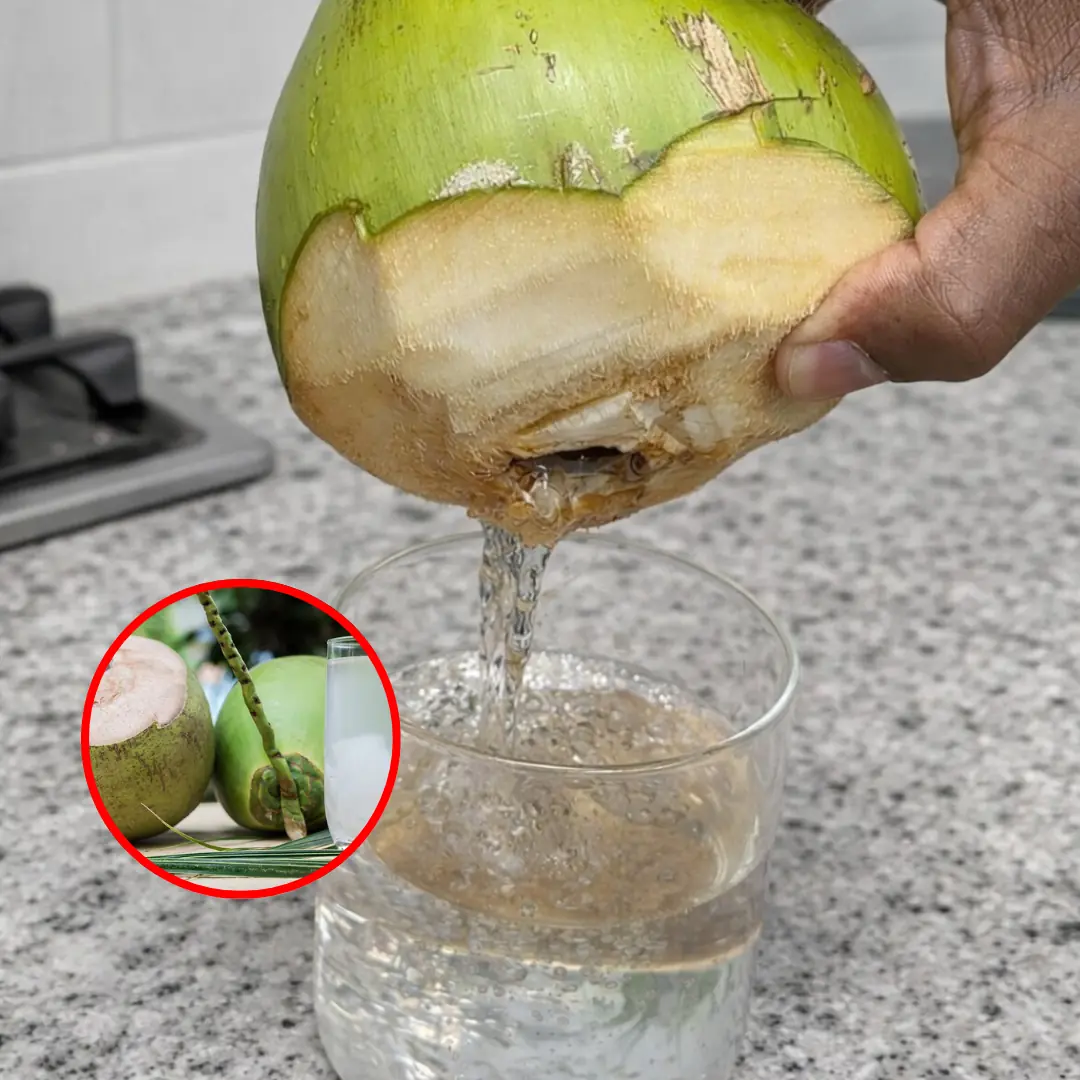
12 Things You Probably Didn’t Know About Coconut Water.
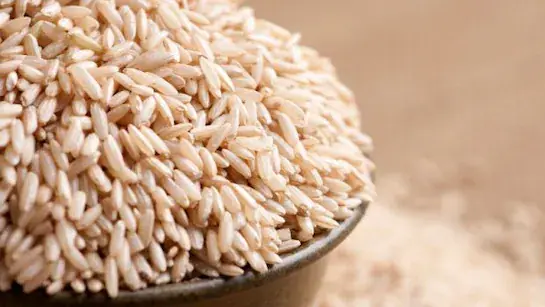
Top Reasons You Should Start Eating Brown Rice for Better Health

When You Eat Grilled Corn, Your Body Reacts in Surprising Ways

Broccoli is healthy, but doctors say it may cause issues for some people.
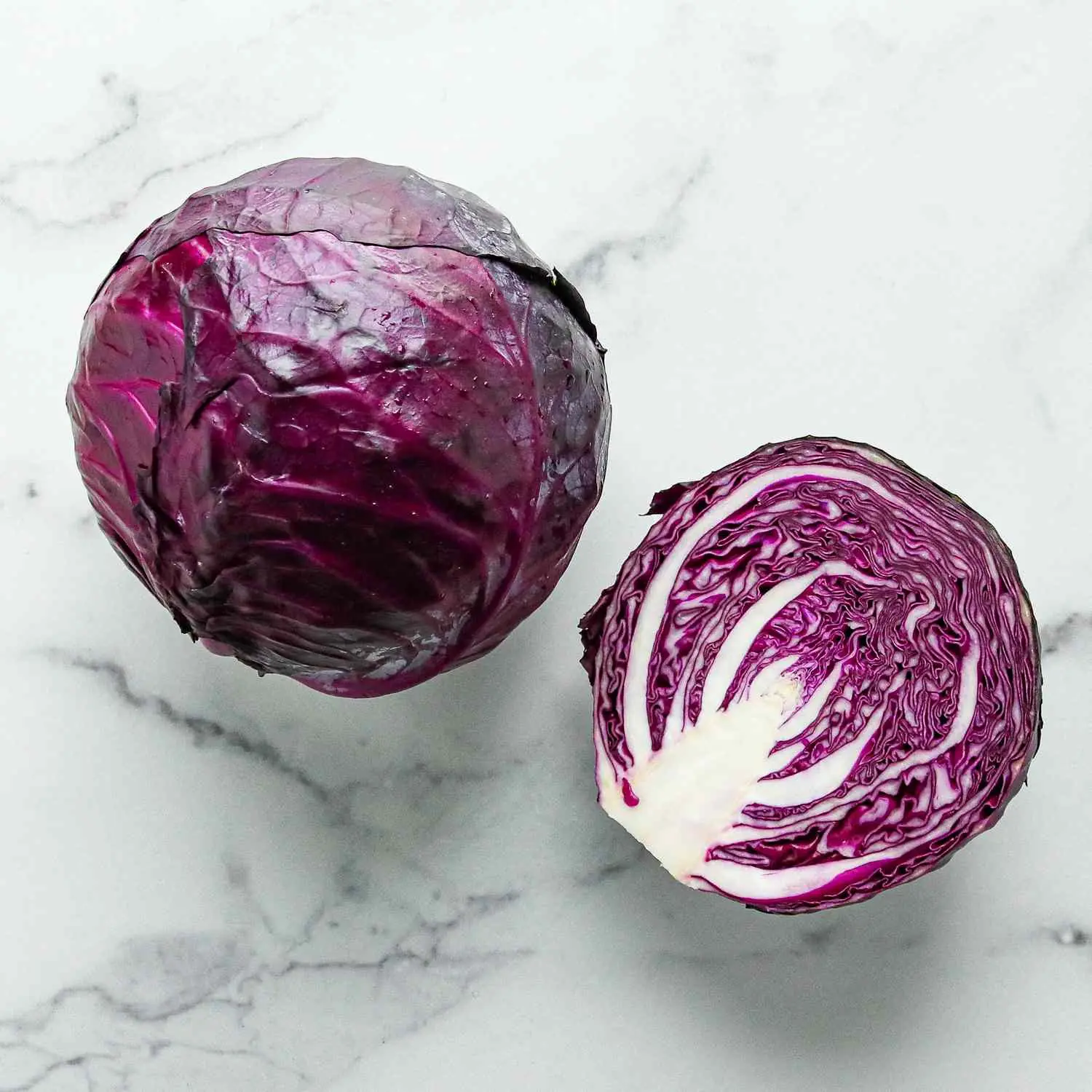
11 Healthy Red Vegetables You Should Add to Your Diet
7 Reasons Purple Yam (Ube) Is Good for You — and How It Differs from Taro
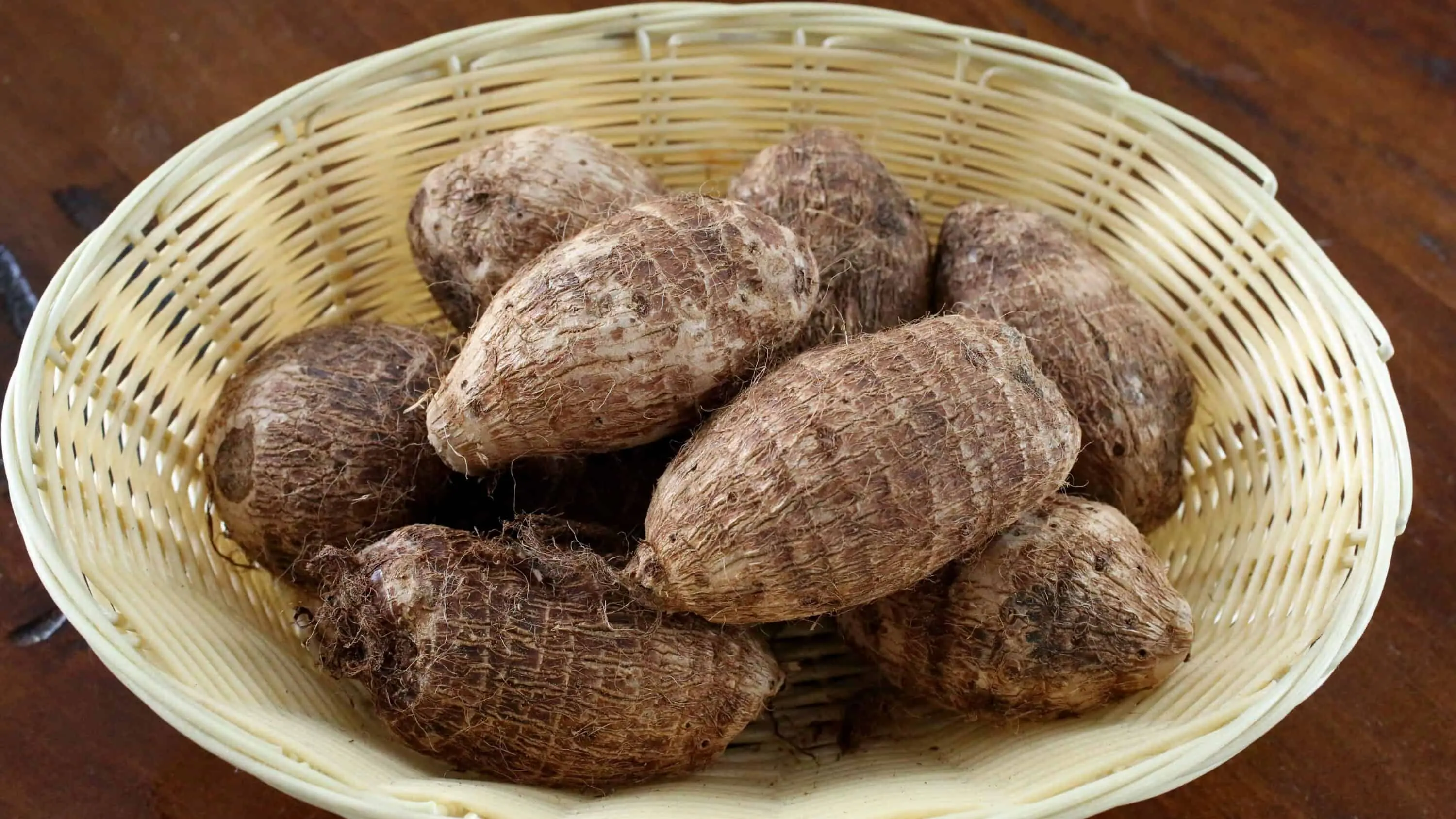
Discover 7 Surprising Benefits of Taro Root
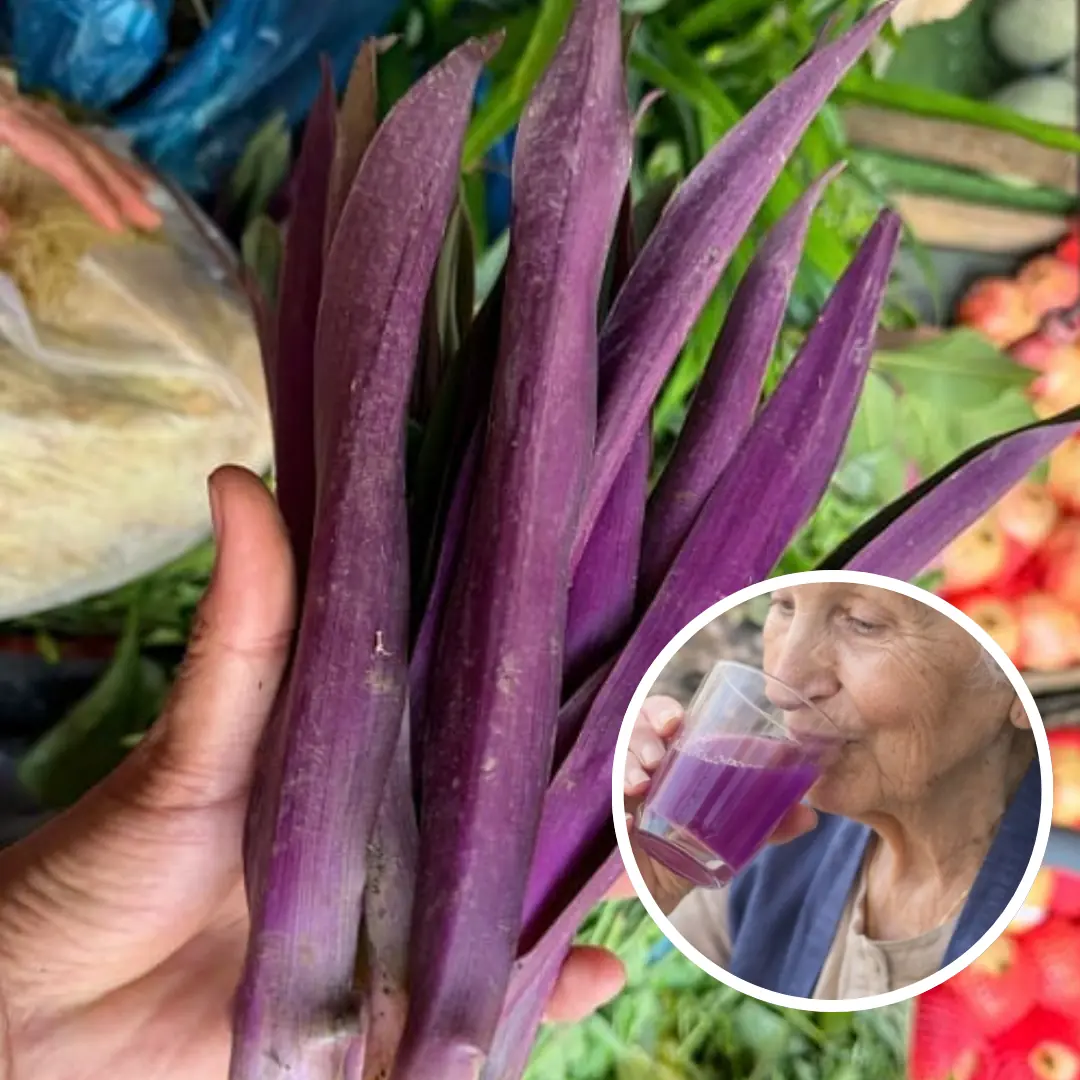
Purple Oyster Plant Leaves: A Gentle Guide to Traditional Herbal Uses and Everyday Wellness Habits
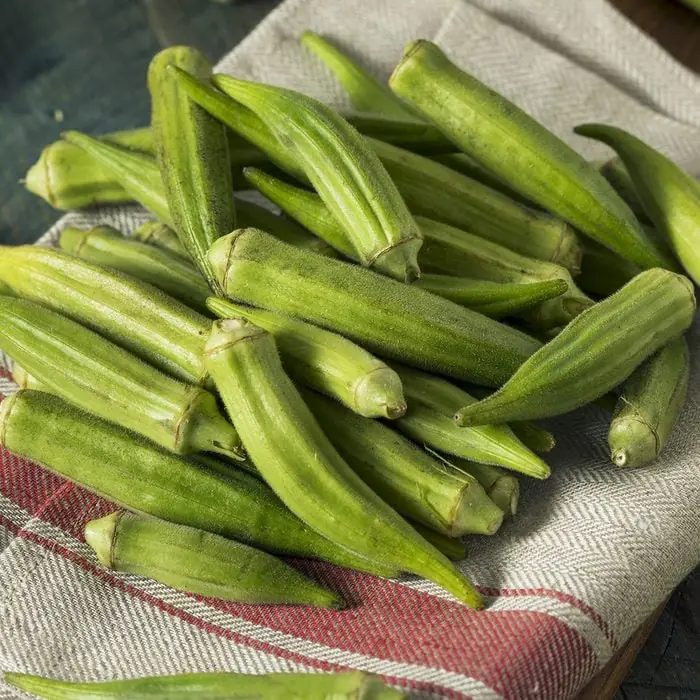
Doctors reveal the hidden effects of eating okra regularly — most people didn’t expect this
12 Simple Foods That May Help Balance Hormones Naturally
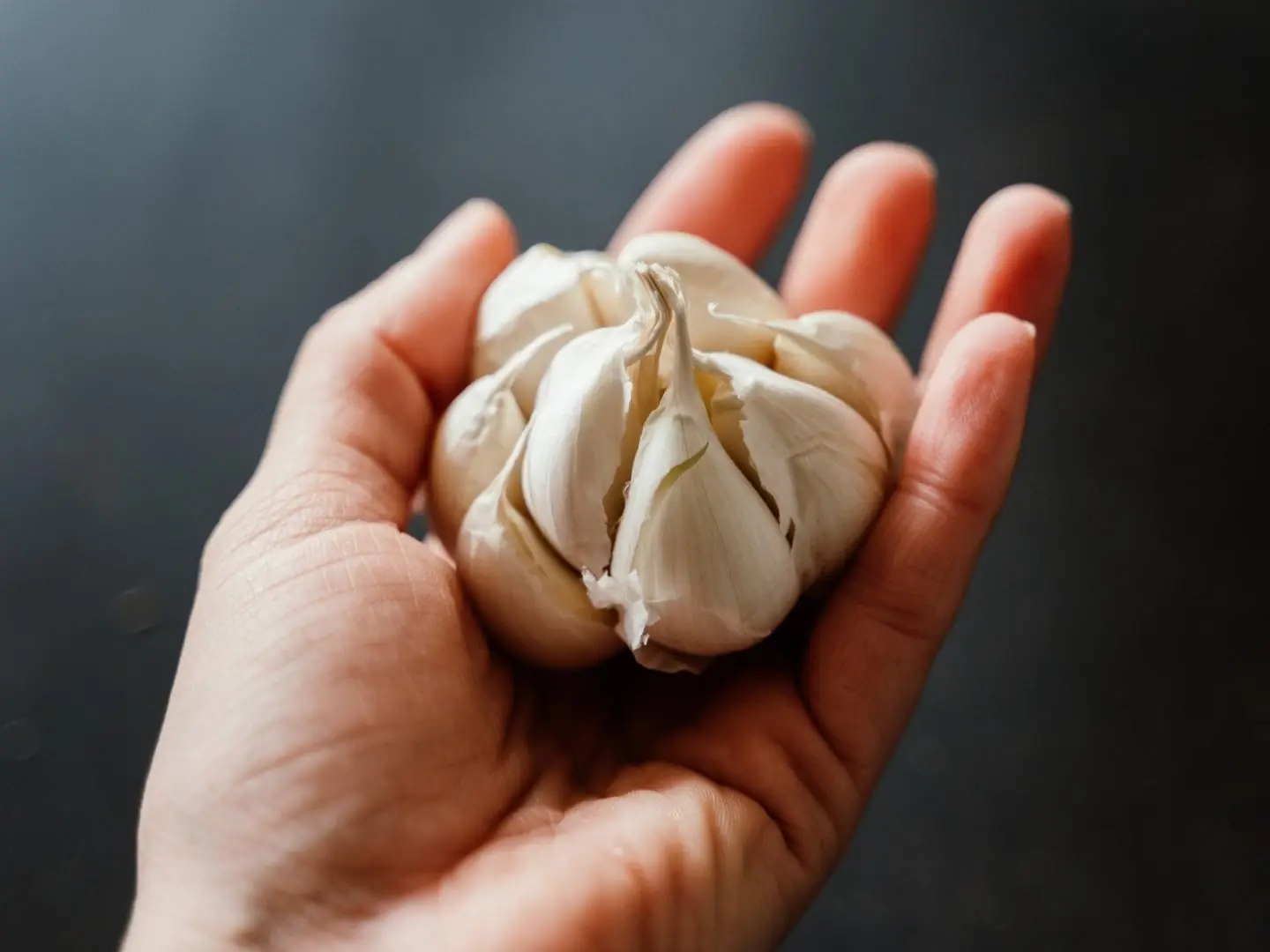
Eat One Clove of Garlic Every Night for 30 Days — Here’s What Might Happen
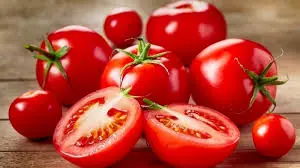
This Everyday Fruit Could Transform Your Health — 10 Reasons to Eat Tomatoes Daily
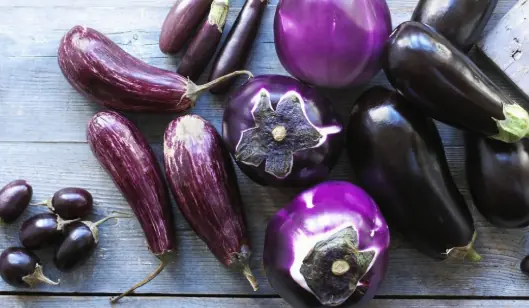
Eggplant is a fiber-rich, nutrient-dense vegetable that is commonly included in the Mediterranean diet.



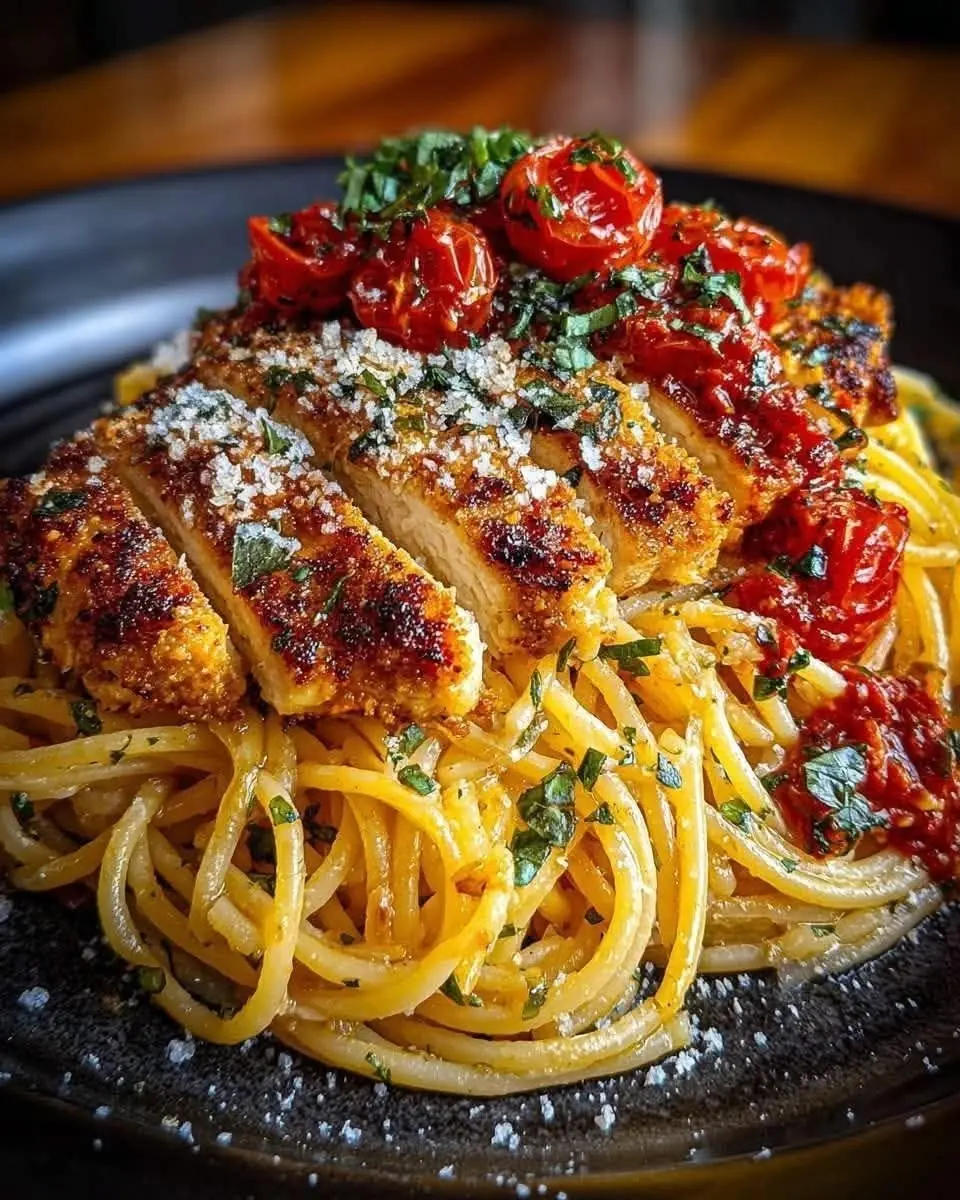




Guava is rich in nutrients, but eating it the wrong way may backfire.

Your liver is one of the most vital organs in your body.