Say Goodbye to Swelling …
Flush Out Extra Water From Your Body Fast: Natural Ways to Reduce Swollen Hands and Feet
Health 14/03/2026 14:29

Yet across cultures and generations, simple kitchen remedies have long played a quiet supporting role in easing respiratory discomfort. One combination that continues to spark interest is a homemade syrup made from honey and salt—two everyday ingredients with surprisingly complementary properties.
While no home remedy can replace medical treatment or “cure” illness permanently, this traditional mixture may help support symptom relief, especially during the early stages of colds and flu.
Honey has been used for centuries in traditional medicine, particularly for soothing sore throats and calming coughs. Modern research has shown that honey has natural antimicrobial properties and a thick, coating texture that can reduce throat irritation. It may also help suppress nighttime coughing, especially when taken before bed.
Salt, on the other hand, plays a different but important role. When dissolved, salt can help thin mucus, making phlegm easier to clear from the airways. Salt also helps maintain moisture balance in tissues, which is why saline solutions are commonly used for nasal rinses and throat gargles.
When combined in small, controlled amounts, honey and salt create a syrup that may help ease coughing, loosen mucus, and bring temporary comfort during respiratory infections.
This remedy is simple and requires no special equipment:
1 cup of warm (not hot) water
1 tablespoon of natural honey
A small pinch of salt
The salt is dissolved in warm water first, followed by honey. The mixture is stirred until fully blended and consumed slowly, usually once or twice a day.
Warm water helps activate the soothing effect, while keeping the temperature low protects honey’s natural compounds. The syrup can be taken on its own or sipped gradually like a warm drink.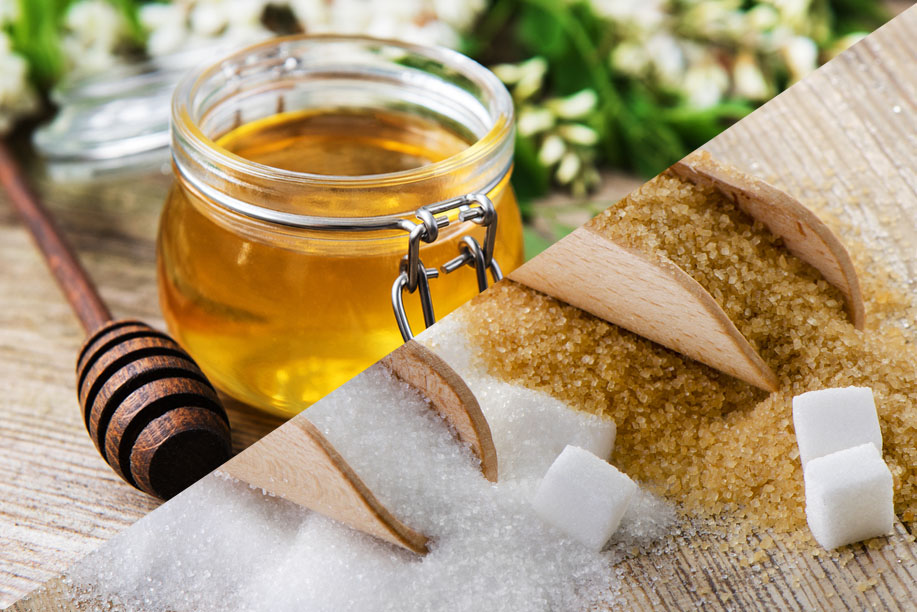
It’s important to be clear: this syrup is not a cure for flu or chronic respiratory disease. Viral infections resolve through the body’s immune response, and serious or persistent symptoms require medical attention.
However, many people report that this combination helps:
Calm throat irritation
Reduce coughing intensity
Loosen phlegm
Support hydration during illness
By easing discomfort, the syrup may help the body rest more effectively—an often overlooked but critical part of recovery.
Despite its simplicity, this remedy is not for everyone. People with high blood pressure should limit salt intake. Those with diabetes should be cautious with honey due to its natural sugar content. Children under one year old should never consume honey due to the risk of infant botulism.
If symptoms last more than a few days, worsen, or include high fever, chest pain, or breathing difficulty, medical care is essential.
In a world of advanced pharmaceuticals, traditional remedies like honey and salt endure not because they are miraculous, but because they are accessible, gentle, and supportive. They encourage hydration, warmth, and rest—three pillars of recovery that modern medicine also emphasizes.
Used wisely, this homemade syrup can be part of a broader self-care routine during cold and flu season, alongside proper nutrition, sleep, and professional medical advice when needed.
Sometimes, relief doesn’t come from something new—but from understanding how simple ingredients can work together to support the body’s natural healing process.
Flush Out Extra Water From Your Body Fast: Natural Ways to Reduce Swollen Hands and Feet

Reducing These Foods May Be a Key Step in Protecting Your Health, Doctors Say
Eating walnuts regularly can bring a wide range of health benefits

8 Reasons Artichokes and Their Extract Are Great for Your Health
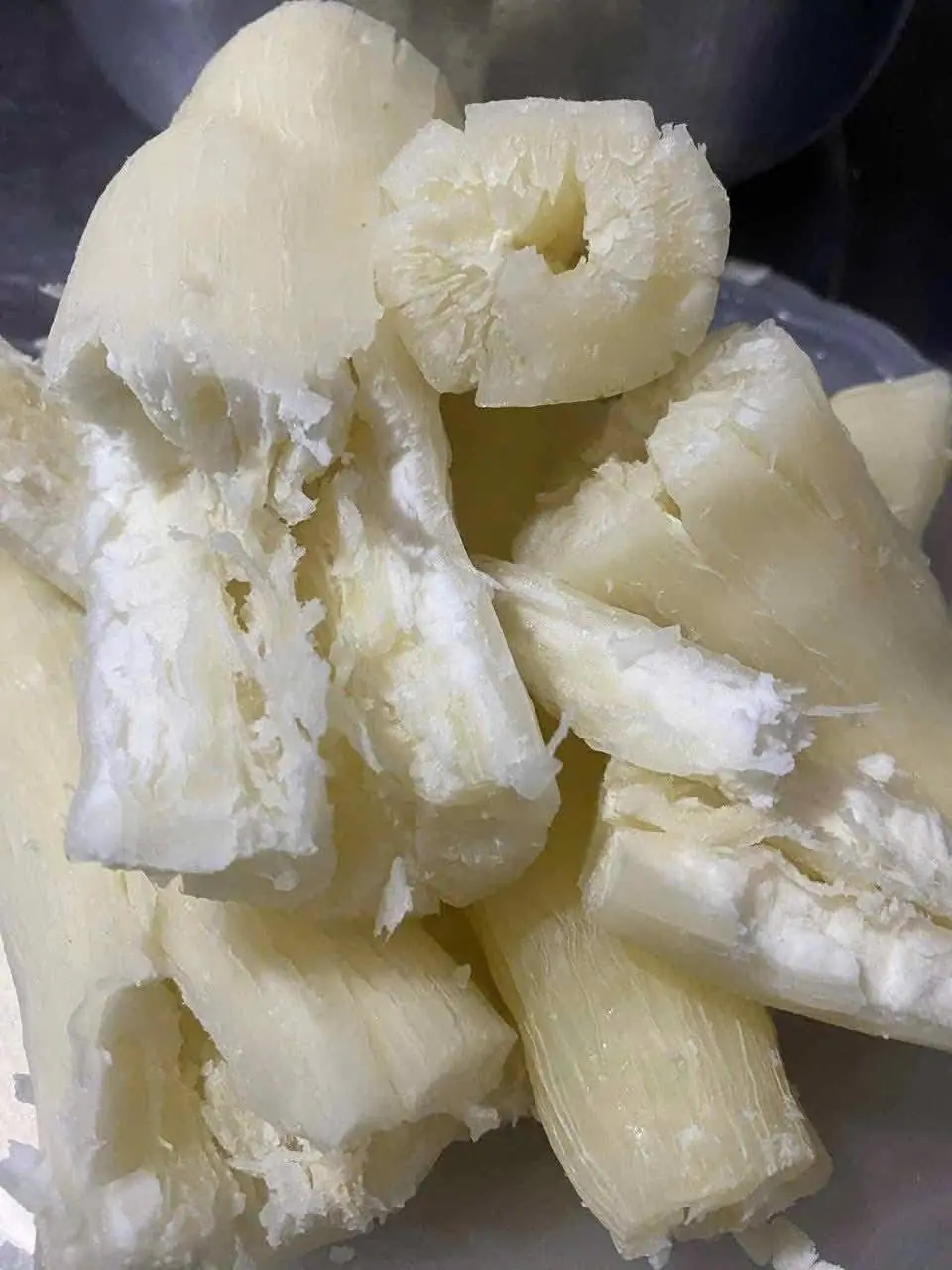
Doctors uncover the surprising effects of eating cassava…


The Amazing Health Benefits of Pig Trotters You May Not Know

These five people should absolutely avoid eating jackfruit.

Yardlong Beans: A Cooling Vegetable Rich in Calcium With Surprising Health Benefits

This Is What Happens to Your Body When You Eat Dragon Fruit

This Is What Happens When You Start Eating Walnuts, According to Doctors

Guava is rich in nutrients, but eating it the wrong way may backfire.

Your liver is one of the most vital organs in your body.

Fatty Liver Diet Guide: Healthy Foods to Include and Harmful Foods to Avoid.

High blo.od pressure, or hypertension, is a widespread health concern that affects millions of people worldwide.
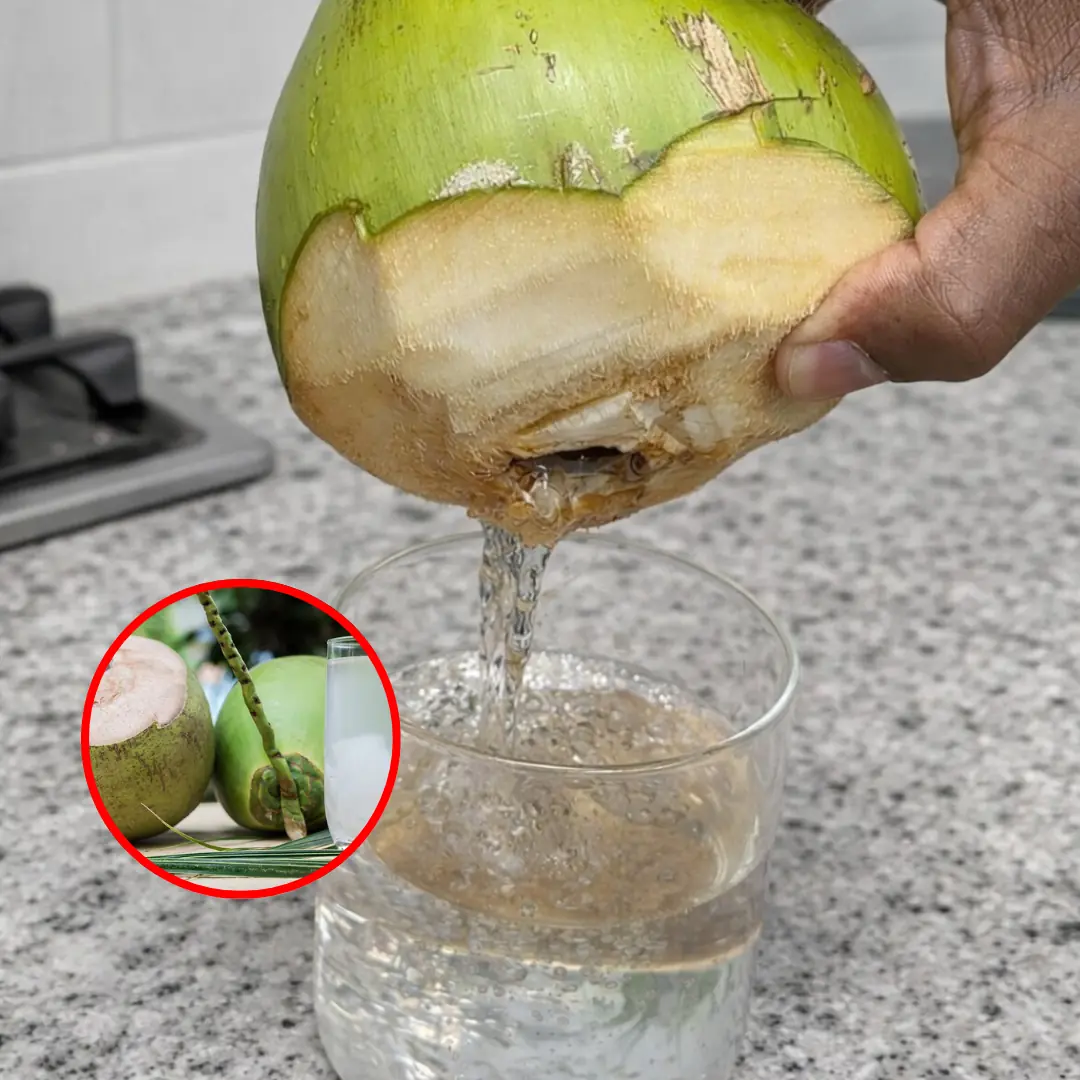
12 Things You Probably Didn’t Know About Coconut Water.
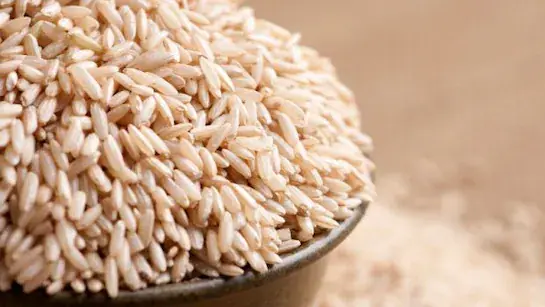
Top Reasons You Should Start Eating Brown Rice for Better Health

A 27-Year-Old Man Developed Terminal C.ance.r After Eating The Same Meal Every Nigh

Eating Chicken Eggs Can Be Harmful for These 5 Groups of People — Here’s Why

Sudden Kidney Failure After Dinner: Doctor Warns a Common Vegetable May Be Tox.ic
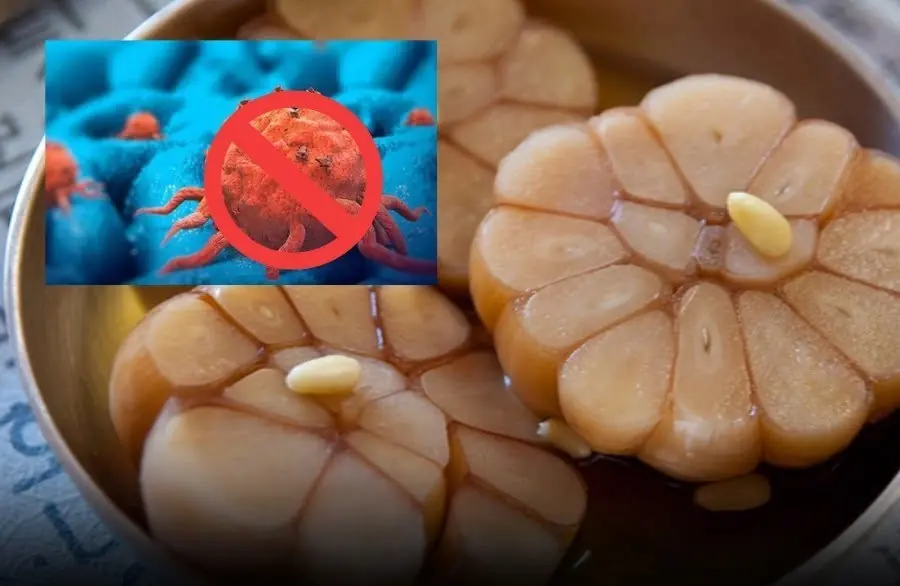
There is no medicine as benign as the substances in food.

If You See This Type of Chicken, Doctors Advise You to Throw It Out Immediately

Could Lemon Water Help Blo:od Pressure? He Tried It for 2 Years and the Outcome Was Unexpected

This vegetable is especially great for women’s skin