Why Our Ancestors Loved Pig Trotters: The Health Benefits Explained
For centuries, many traditional cultures valued every part of the animal they consumed, believing that each cut of meat offered unique nutritional benefits. Among these, pig trotters—also known as pork feet—were especially prized. From Asian soups to European stews, pig trotters were a staple ingredient in many ancestral diets. While modern diets often overlook them, pig trotters remain a nutrient-rich food that offers several health benefits.
1. Rich Source of Collagen
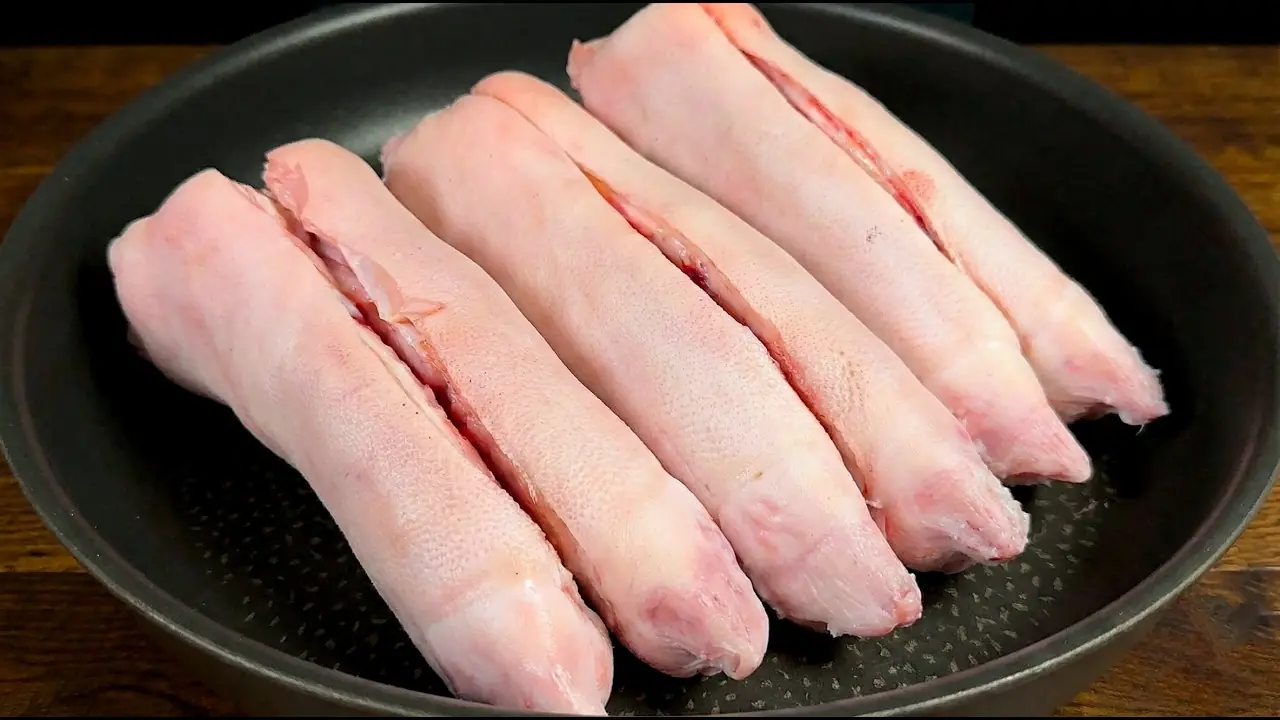
One of the main reasons pig trotters were so popular in traditional cooking is their high collagen content. Collagen is a protein that supports healthy skin, joints, tendons, and ligaments. When pig trotters are slow-cooked, the collagen breaks down into gelatin, which may help improve skin elasticity and support joint health.
2. Supports Joint and Bone Health
Because pig trotters are rich in collagen, gelatin, and certain minerals, they may help support joint flexibility and bone strength. Traditional bone broths made from pig trotters have long been used to nourish the body and support recovery from illness or physical strain.
3. Good Source of Protein
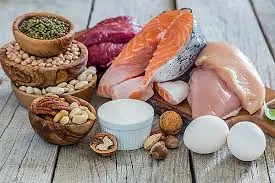
Pig trotters provide a decent amount of protein, which is essential for muscle repair, tissue growth, and overall body function. Protein also helps maintain healthy metabolism and supports the body's ability to repair damaged cells.
4. Contains Important Minerals
Pig trotters contain minerals such as calcium, phosphorus, iron, and zinc. These nutrients play important roles in maintaining strong bones, supporting immune function, and aiding oxygen transport in the blood.
5. Supports Skin Health
The collagen and gelatin found in pig trotters may contribute to healthier skin. Collagen is known to help maintain skin elasticity and hydration, which may reduce the appearance of wrinkles and support a youthful complexion.
6. Promotes Gut Health

Gelatin produced during the cooking of pig trotters may support digestive health. Gelatin can help strengthen the lining of the digestive tract and support healthy digestion.
7. Provides Long-Lasting Energy
Pig trotters contain healthy fats and proteins that can provide sustained energy. In traditional diets, slow-cooked dishes made from pig trotters were often served during colder months or after hard physical labor to replenish strength.
Why Our Ancestors Valued Pig Trotters
In the past, food was not wasted. People believed in using every part of the animal, both out of respect and practicality. Pig trotters were affordable, flavorful, and highly nutritious, making them a valuable ingredient in many traditional cuisines. Slow cooking also made them tender and allowed the nutrients to be easily absorbed by the body.
A Traditional Food Worth Rediscovering
Although pig trotters may not be as common in modern Western diets, they remain a beloved ingredient in many cultures around the world. When prepared properly, they can be both delicious and nutritious.
Conclusion
Pig trotters have been appreciated for generations not only for their rich flavor but also for their nutritional value. Packed with collagen, protein, and essential minerals, they can support joint health, skin health, and overall well-being. Revisiting traditional foods like pig trotters reminds us that some of the most nourishing ingredients are those our ancestors valued the most.