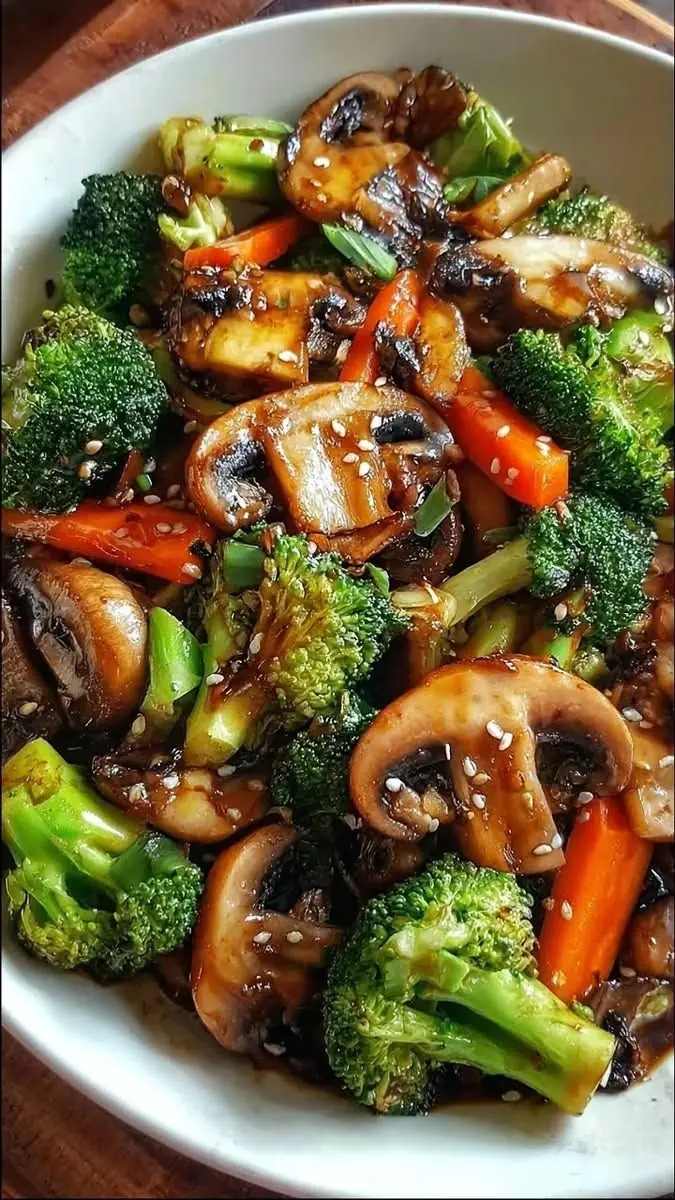
Switching to brown rice might just improve your health, and that’s a fact. Brown rice is dehusked and unpolished rice, by getting rid of the outer layer—this is what makes it preserve its nutritional value. It is considered a superfood because of how low in calories and fat it is when compared to white rice. Incorporating brown rice in your daily meal plans means more nutrients for you, and not just empty carbs.
Loaded with Nutrients
Brown rice isn’t just another grain. It’s packed with vitamins and minerals like magnesium, phosphorus, selenium, manganese, and B vitamins. These are the basics your body uses to build strong bones, keep your nervous system humming, and turn food into energy. White rice loses most of the good qualities during processing, but brown rice sticks around as a solid, natural source of nutrition.Fiber That Actually Does Something
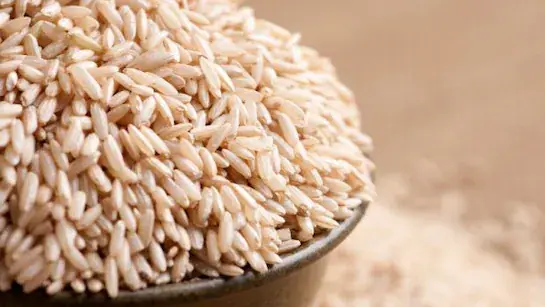
Brown rice is full of fiber and, therefore, excellent for your gut health. Fiber keeps things moving, helps prevent that sluggish, bloated feeling, and actually helps you feel full. That’s huge when you’re trying to eat less or keep your weight in check. Plus, since brown rice has a low glycemic index compared to white rice, it is better for sugar control.Good for Your Heart
The mix of fiber and nutrients in brown rice does a lot for your heart. People who eat more whole grains, like brown rice, tend to have lower cholesterol and healthier blood pressure. Magnesium, in particular, keeps your heart running smoothly. The antioxidants in brown rice help prevent oxidative stress. Brown rice has oil in it that reduces the level of bad cholesterol.Helps With Weight
Brown rice fills you up better. It’s satisfying, and you will not have any late-night hunger pangs. Its complex carbs give you slow, steady energy instead of quick bursts followed by a crash. If you’re aiming to lose weight or just not gain any more, swapping white rice for brown is a simple step that actually works.Easy to Work Into Your Meals
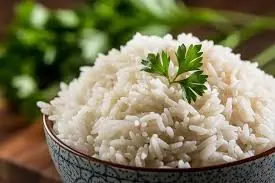
Brown rice fits pretty much anywhere white rice does. Toss it with vegetables, mix it into a stir-fry, or add it to a salad. It’s easy to cook and pairs well with everything. If you are not sure about swapping brown rice for white rice, try mixing some of the brown rice with the white rice first. It will get you used to the taste.Choosing between white rice and brown rice usually depends on your individual needs and nutritional requirements, but you can slowly incorporate brown rice into your diet to make your day healthier.
-
Brown rice can contain higher levels of inorganic arsenic compared to white rice. This is due to its outer layers, which retain more arsenic absorbed from the soil during growth. The study suggests that while adults may not face significant risks, children are more vulnerable due to their lower body weight and higher rice consumption relative to their size. Thus, moderation is key, especially for young children.