Eat One Clove of Garlic Every Night for a Month — You May Be Surprised by the Results
Eat One Clove of Garlic Every Night for 30 Days — Here’s What Might Happen
Health 07/03/2026 11:38
Hormones play a crucial role in regulating many functions in the body, including metabolism, mood, reproduction, sleep, and energy levels. When hormones are balanced, the body tends to function more efficiently. However, factors such as stress, poor diet, lack of sleep, and aging can disrupt hormonal balance.
Fortunately, certain everyday foods contain nutrients that help support hormone production and regulation. Below are 12 simple foods that may naturally support hormone health for both men and women, according to research and health organizations.
Fatty fish such as salmon, sardines, and mackerel are rich in omega-3 fatty acids, which help reduce inflammation and support hormone signaling. Omega-3s are also linked to improved insulin sensitivity and reproductive health.
Source: Harvard T.H. Chan School of Public Health
Eggs provide high-quality protein, healthy fats, and essential nutrients such as vitamin D and choline. These nutrients help regulate appetite hormones and support hormone production throughout the body.
Source: National Institutes of Health (NIH)
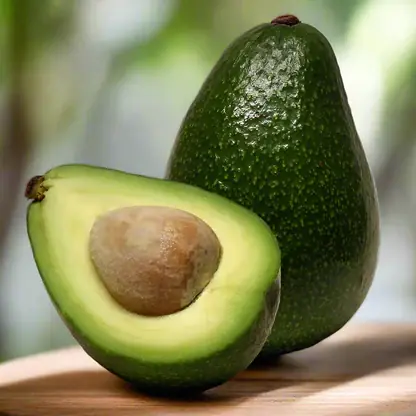
Avocados contain healthy monounsaturated fats and fiber, which are important for hormone production and blood sugar balance. Stable blood sugar levels can help reduce hormonal fluctuations.
Source: Harvard Health Publishing
Vegetables such as broccoli, cauliflower, cabbage, and Brussels sprouts contain compounds that support estrogen metabolism. These vegetables may help the body maintain a healthier hormonal balance.
Source: National Cancer Institute
Berries such as blueberries, strawberries, and raspberries are rich in antioxidants that protect hormone-producing glands from oxidative stress. They may also help improve insulin sensitivity.
Source: USDA Human Nutrition Research Center
Greek yogurt is a good source of protein, probiotics, and calcium, which support gut health. A healthy gut microbiome plays an important role in hormone regulation and immune function.
Source: Cleveland Clinic
Almonds, walnuts, and pistachios contain healthy fats, fiber, magnesium, and plant compounds that support hormone production and metabolic health.
Source: American Heart Association

Extra-virgin olive oil contains beneficial fats and antioxidants that may help improve insulin sensitivity and support hormone balance. It is a key component of the Mediterranean diet.
Source: Mayo Clinic
Spinach, kale, and other leafy greens are rich in magnesium, fiber, and antioxidants, which support hormone regulation and help reduce inflammation.
Source: Harvard Health Publishing
Flaxseeds contain lignans, plant compounds that may help regulate estrogen levels in the body. They also provide fiber and omega-3 fatty acids that support metabolic health.
Source: National Institutes of Health (NIH)
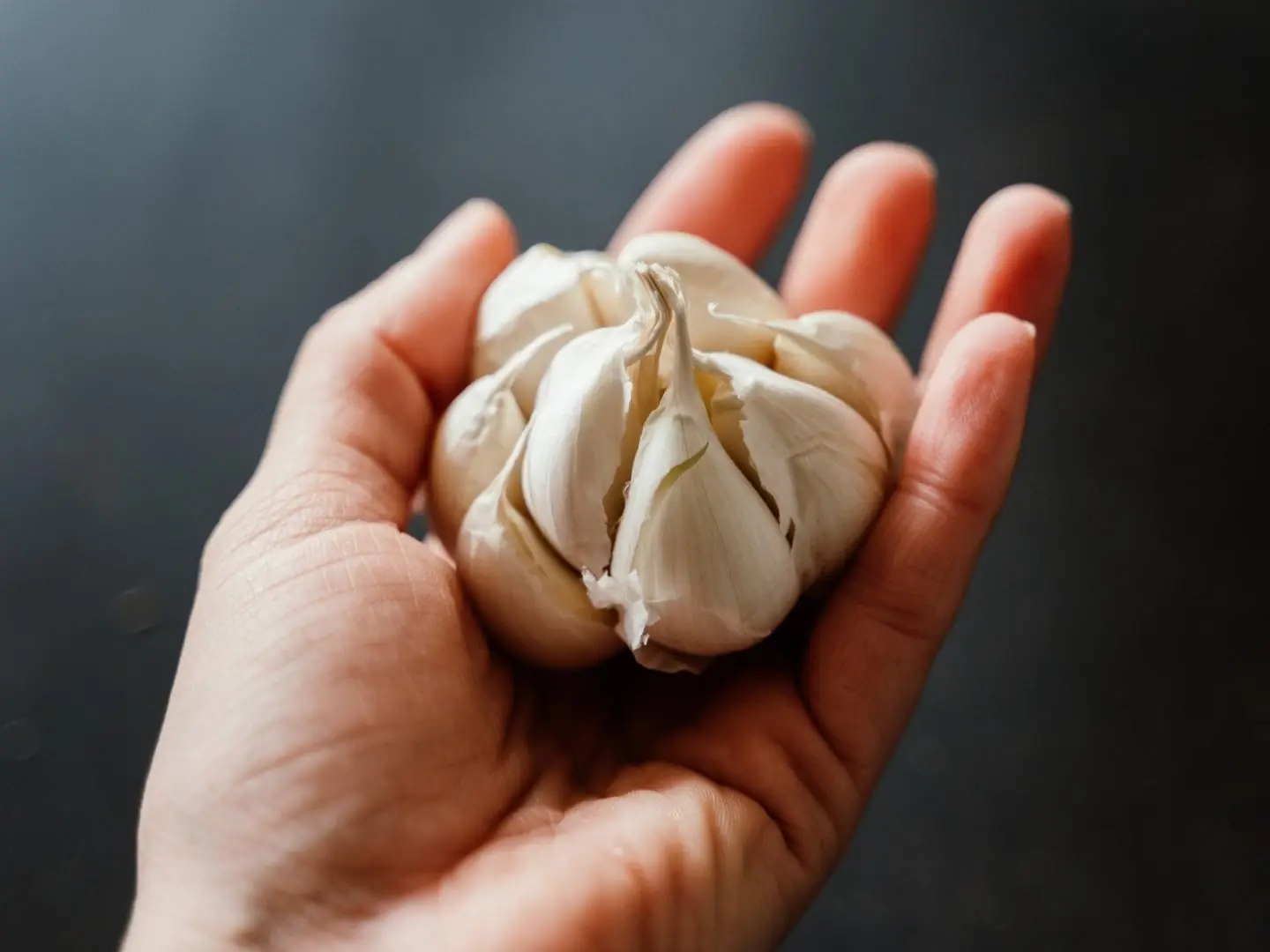
Garlic contains sulfur compounds that may support hormone-producing glands and improve cardiovascular health. Some studies suggest garlic may also help regulate blood sugar levels.
Source: National Center for Complementary and Integrative Health
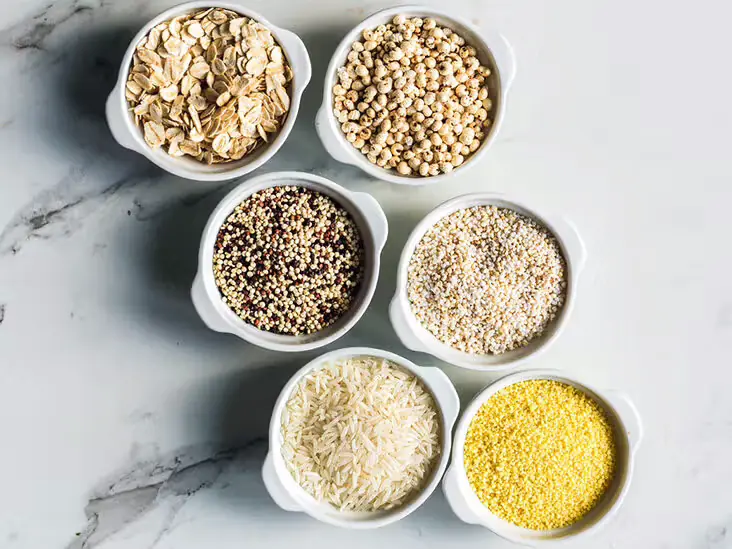
Whole grains such as oats, quinoa, and brown rice provide fiber and essential nutrients that help regulate blood sugar levels and insulin, both of which influence hormonal balance.
Source: Harvard T.H. Chan School of Public Health
Hormone health is influenced by many lifestyle factors, including diet, exercise, sleep, and stress levels. While no single food can completely balance hormones, a diet rich in whole, nutrient-dense foods can help support the body’s natural hormonal processes.
Including foods such as fatty fish, vegetables, nuts, seeds, whole grains, and healthy fats may contribute to better hormone regulation and overall well-being for both men and women.
For persistent hormone-related symptoms, it is always best to consult a healthcare professional for proper evaluation and guidance.
Eat One Clove of Garlic Every Night for 30 Days — Here’s What Might Happen
This Everyday Fruit Could Transform Your Health — 10 Reasons to Eat Tomatoes Daily
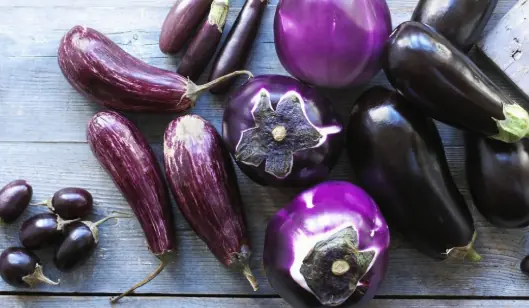
Eggplant is a fiber-rich, nutrient-dense vegetable that is commonly included in the Mediterranean diet.

If you mix honey, cinnamon, and cloves together, here’s what it can do for your body —
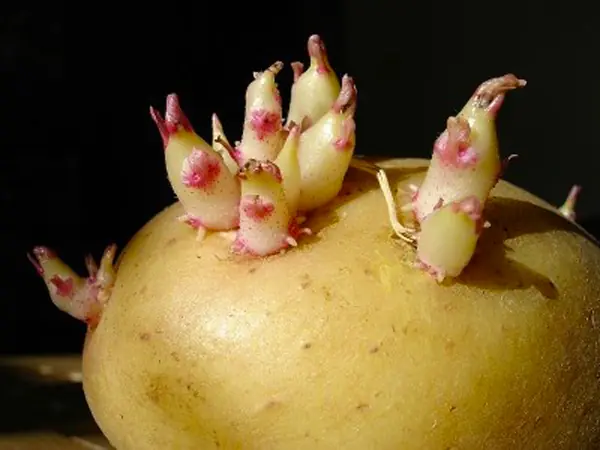
What You Should Know About the Health Risks of Sprouting Potatoes

Doctor Reveals the Hidden Danger of Leftover Rice — and It’s Giving People a “New Fear.”

Every year, over 200 people die from consuming what is known as the “world’s deadliest food,” yet nearly 500 million people still eat it.

Sweet potatoes are a staple food of the autumn-winter season, with heaps pulled from the ground and placed on our family tables.

Viral ‘BeanTok’ Gut Health Claims Raise Questions — Experts Explain

5 types of food that shouldn't be left overnight

Thinking of Quitting Bread? Here’s What You Should Expect


Chicken eggs contain various types of protein that can trigger allergies, especially in the egg white.
9 Amazing Benefits Of Okra Water To Females Sexually
What Happens If You Eat Too Many Bamboo Shoots?
Why Is Your Tongue White? What It Says About Your Health
What Eating Carrots Does to Your Body (Backed by Science)
3 Intimate Habits of Husbands That May Increase Their Wives’ Risk of Cervical Cancer — What Every Couple Should Know
Eat One Clove of Garlic Every Night for 30 Days — Here’s What Might Happen



This Everyday Fruit Could Transform Your Health — 10 Reasons to Eat Tomatoes Daily