
What Happens to Your Body When You Eat Guava? Doctors Explain
Guava is rich in nutrients, but eating it the wrong way may backfire.
Health 11/03/2026 00:34
Kale isn’t the only healthy vegetable. Red vegetables such as tomatoes and bell peppers may help reduce the risk of conditions like diabetes, osteoporosis, and high cholesterol.
The phytonutrients that give these vegetables their red color also provide important health benefits. Generally, deeper colors indicate higher levels of antioxidants, vitamins, and minerals that support overall health. These nutrients may help prevent disease, fight inflammation, and strengthen the immune system.
Red vegetables get their color mainly from compounds such as lycopene and anthocyanins. Lycopene is an antioxidant linked to better heart health, eye protection, and reduced damage from environmental toxins. Anthocyanins may help protect the liver, support vision, and reduce inflammation.
Despite their benefits, many people still do not eat enough red and orange vegetables.
Beets are rich in antioxidants and provide nutrients such as potassium, fiber, folate, and vitamin C. They may help support healthy blood pressure and circulation. Beets can be roasted, added to salads, or blended into juices.
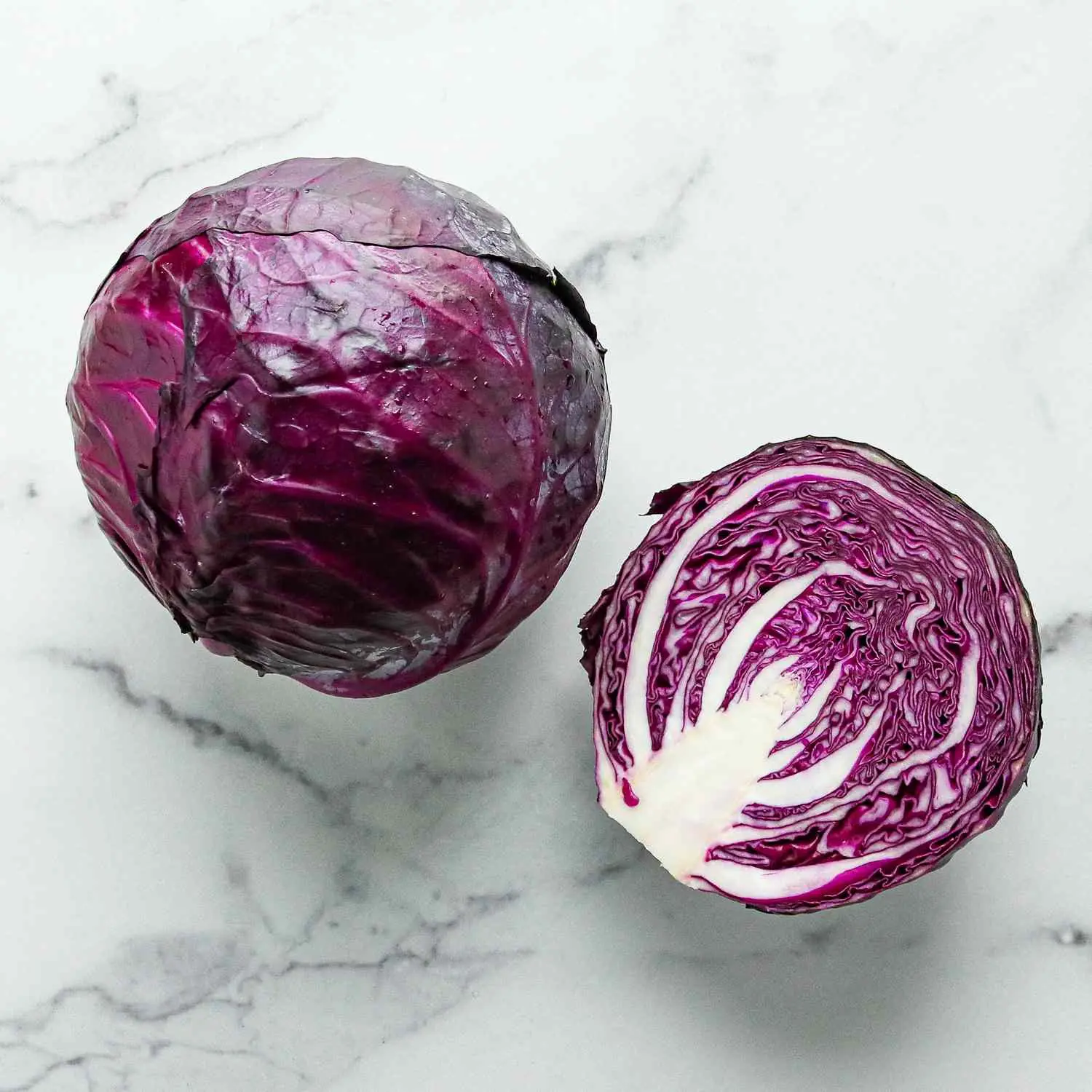
Red cabbage belongs to the cruciferous vegetable family, which also includes kale and broccoli. It contains antioxidants and important vitamins that support heart health and may help reduce the risk of chronic diseases. It can be eaten raw, lightly cooked, or fermented.
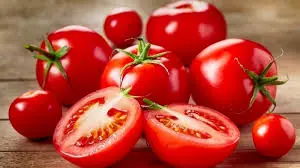
Tomatoes are an excellent source of lycopene as well as vitamin C and potassium. Cooking tomatoes with a small amount of oil may help the body absorb lycopene more effectively.
Red bell peppers are rich in vitamins A and C and support immune health and skin health. They can be eaten raw, roasted, or added to many dishes.
Radishes have a crisp texture and a peppery flavor. They provide vitamin C, folate, and potassium and are a refreshing addition to salads or snacks. They can also be pickled.
Red chili peppers contain capsaicin, a compound that may help reduce inflammation and support pain relief. They also provide important vitamins and minerals.
Radicchio is a dark leafy vegetable with a slightly bitter flavor. It provides several vitamins and minerals and can be used in salads or cooked dishes.
Red leaf lettuce contains antioxidants and nutrients that may help protect the body from aging and disease. It is also high in water, which helps keep the body hydrated.
Although often used in desserts, rhubarb contains nutrients such as calcium, potassium, and vitamin C. Choosing recipes with less added sugar helps maximize its health benefits.
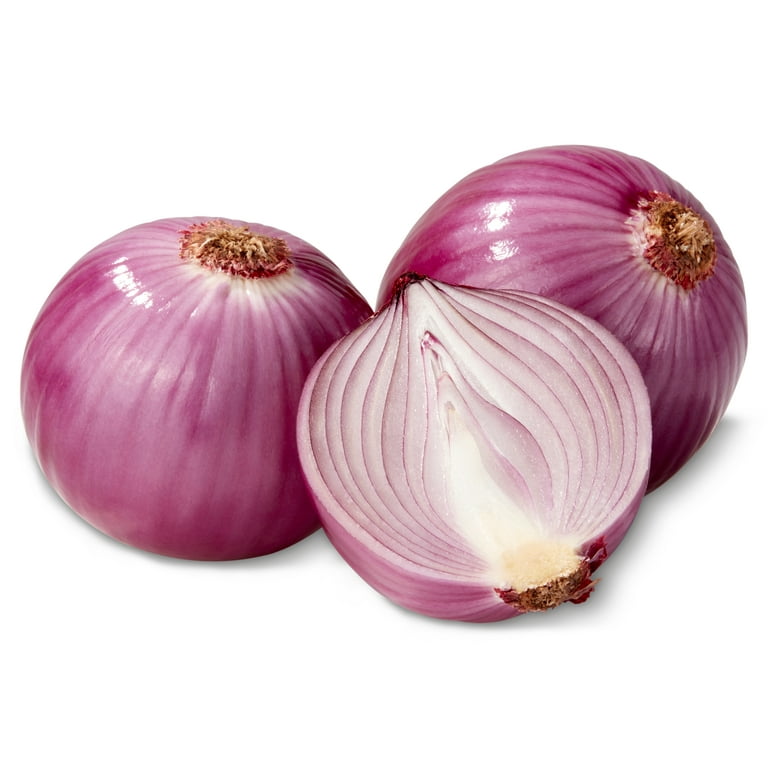
Red onions contain plant compounds that may support the immune system, reduce cholesterol levels, and help protect the heart. They also contain fiber that supports digestive health.
Red potatoes provide potassium, vitamin C, and other nutrients. Their skins are rich in fiber and plant compounds, so it’s best to eat them without peeling.
Red vegetables are an important part of a balanced diet. Eating a wide variety of colorful vegetables provides different nutrients that help support overall health and reduce the risk of chronic diseases.
Whenever possible, eat vegetables whole and include the skins when they are edible, as many nutrients and beneficial plant compounds are concentrated there.
Guava is rich in nutrients, but eating it the wrong way may backfire.

Your liver is one of the most vital organs in your body.

Fatty Liver Diet Guide: Healthy Foods to Include and Harmful Foods to Avoid.

Prepare This Homemade Syrup to Help Soothe Cough, Phlegm, and Flu Symptoms

High blo.od pressure, or hypertension, is a widespread health concern that affects millions of people worldwide.

12 Things You Probably Didn’t Know About Coconut Water.
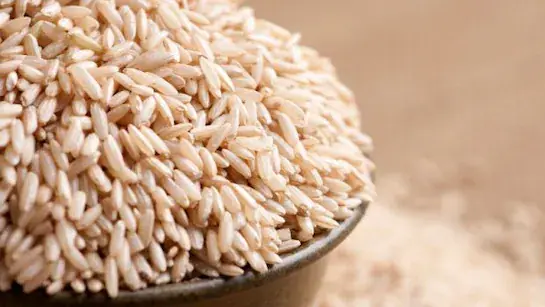
Top Reasons You Should Start Eating Brown Rice for Better Health

When You Eat Grilled Corn, Your Body Reacts in Surprising Ways


Broccoli is healthy, but doctors say it may cause issues for some people.

7 Reasons Purple Yam (Ube) Is Good for You — and How It Differs from Taro

Discover 7 Surprising Benefits of Taro Root
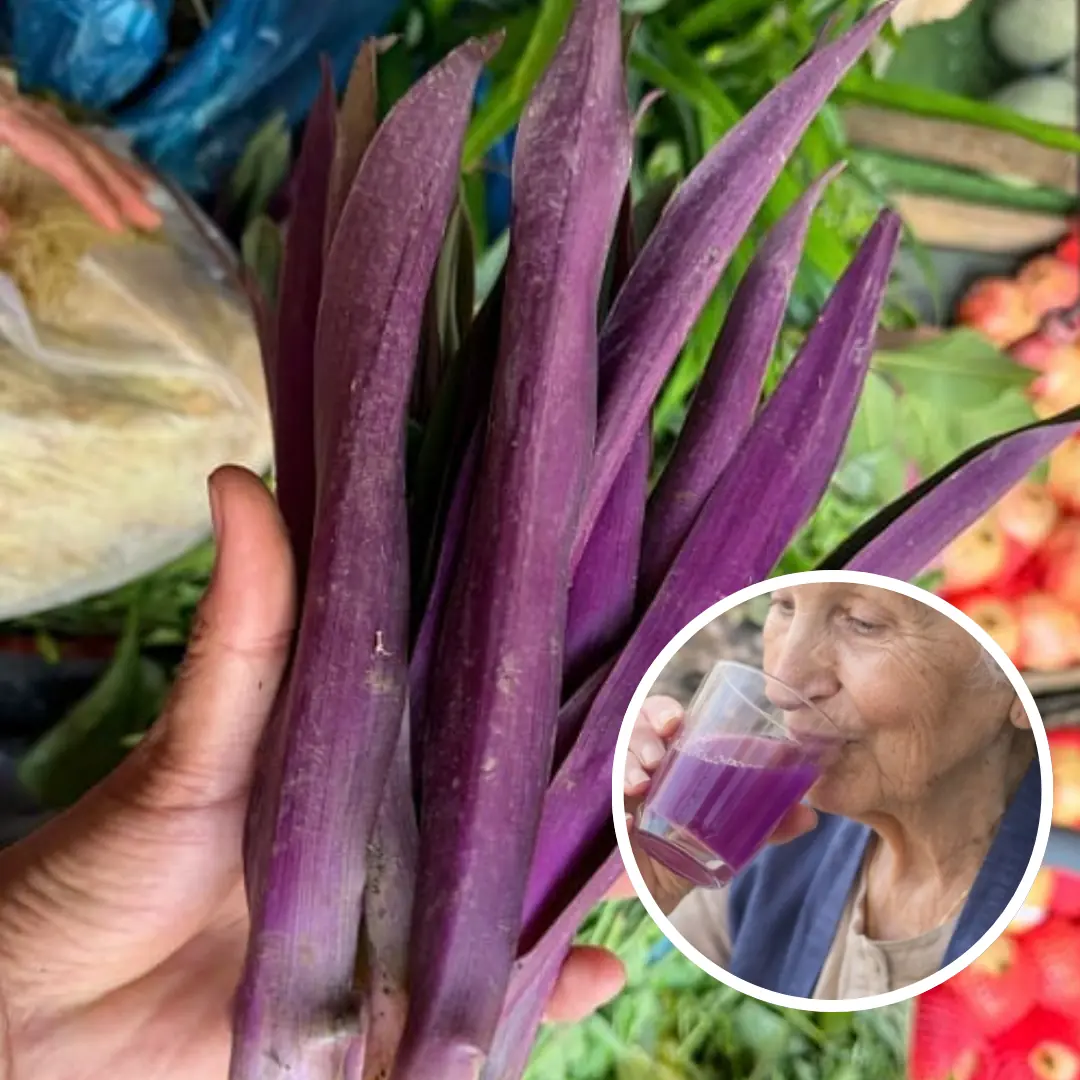
Purple Oyster Plant Leaves: A Gentle Guide to Traditional Herbal Uses and Everyday Wellness Habits

Doctors reveal the hidden effects of eating okra regularly — most people didn’t expect this
12 Simple Foods That May Help Balance Hormones Naturally

Eat One Clove of Garlic Every Night for 30 Days — Here’s What Might Happen
This Everyday Fruit Could Transform Your Health — 10 Reasons to Eat Tomatoes Daily
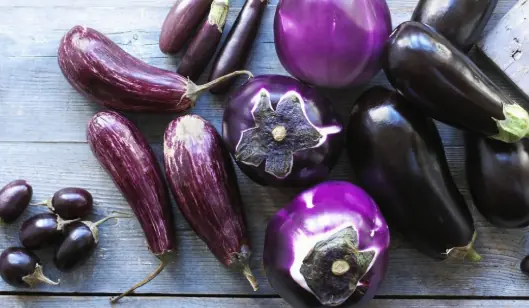
Eggplant is a fiber-rich, nutrient-dense vegetable that is commonly included in the Mediterranean diet.









Guava is rich in nutrients, but eating it the wrong way may backfire.

Your liver is one of the most vital organs in your body.