Health Food 19/02/2026 23:34

Why Drinking Calories Feels So Different From Eating Them

At first glance, calories seem simple.

If two options contain the same number of calories, they should affect your body in roughly the same way.

But in practice, that’s rarely what happens.

A smoothie and a bowl of fruit.
A sugary drink and a solid snack.
A protein shake and a plate of food.

Even when calories match, the experience of fullness, satisfaction, and appetite regulation often does not.

The reason lies not in discipline — but in physiology.

Your Body Was Designed to Eat, Not Drink, Most Calories

For most of human history, calories arrived in solid form.

Chewing, swallowing, digesting — these processes shaped how the body learned to regulate intake.
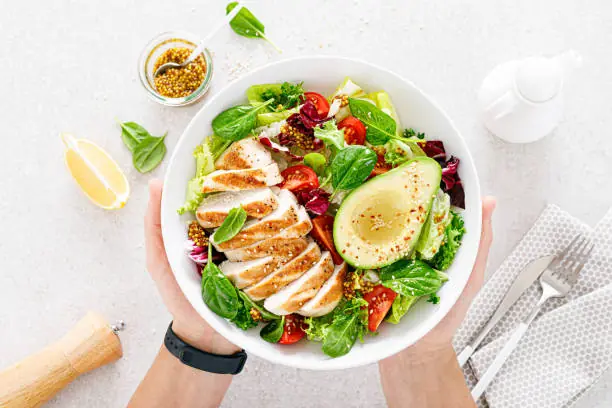
có một bữa sáng lành mạnh - drinking calories hình ảnh sẵn có, bức ảnh & hình ảnh trả phí bản quyền một lần
Liquids were primarily water.

Occasionally broths.
Occasionally milk.

But not large volumes of concentrated energy.

Your digestive system still reflects that history.

Chewing Is Not Just Mechanical

Chewing does more than break food down.

It activates sensory signals that tell the brain:

Food is arriving.
Digestion is beginning.
Satiety can start building.

This process takes time.

Liquid calories largely bypass it.

When you drink calories:

chewing is minimal or absent

eating time is shorter

sensory engagement is reduced

As a result, fullness signals may lag behind intake.

Not because the body failed — but because the usual cues never fully activated.

Stomach Stretch Matters

One of the strongest signals for fullness comes from physical stretch in the stomach.

Solid foods tend to take up space and remain longer during digestion.

Liquids, by contrast, move through the stomach relatively quickly.

This means you can consume significant energy…

without creating the same physical sense of “having eaten.”

The body registers calories.
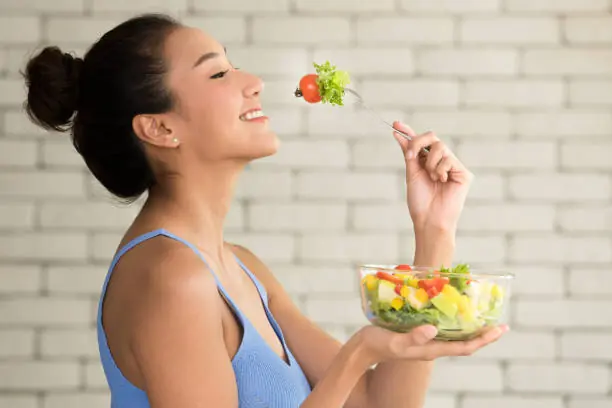
phù hợp với người phụ nữ uống sinh tố giải độc xanh tại phòng tập thể dục - drinking calories hình ảnh sẵn có, bức ảnh & hình ảnh trả phí bản quyền một lần
But the brain may not register completion.

Why Smoothies Feel So Easy to Overconsume

Smoothies are often framed as inherently healthy — and they can be, depending on composition.

But they also concentrate multiple factors that reduce satiety:

rapid intake

blended texture

reduced chewing

often higher calorie density than expected

It’s not unusual to drink the equivalent of several servings of fruit in a few minutes.

Would you eat that amount as whole fruit just as easily?

Probably not.

The difference is not motivation.

It’s structure.

This Is Not an Argument Against Liquid Nutrition

Protein shakes, soups, and smoothies can be incredibly useful — especially for:

people with low appetite

medical or recovery needs

convenience during busy schedules

The point is not to avoid liquid calories.

It is to understand how they behave differently.

When expectations align with physiology, frustration tends to decrease.

Making Liquid Calories More Satisfying
chuối thuần chay và sinh tố bột yến mạch trong lọ thủy tinh trên nền sáng. - drinking calories hình ảnh sẵn có, bức ảnh & hình ảnh trả phí bản quyền một lần
Small adjustments can dramatically change how liquid foods are experienced.

Consider:

👉 adding fiber (seeds, oats, whole fruit)
👉 increasing thickness
👉 pairing smoothies with solid food
👉 slowing down consumption instead of sipping mindlessly

Structure restores signaling.

And signaling restores satisfaction.

A Subtle Pattern to Notice

If you ever find yourself drinking calories…

…and then feeling hungry again shortly after…

…it may not mean you didn’t eat enough.

It may mean your body didn’t experience eating in the way it recognizes most clearly.

The Bigger Perspective

Calories are not just numbers.

They are messages.

How those messages arrive — fast or slow, liquid or solid, chewed or swallowed — shapes how the body responds.

Understanding this difference replaces confusion with clarity.

Because when liquid calories feel “less filling,” it’s not a failure of self-control.

It’s simply your physiology responding to a form of intake it was never primarily designed to regulate.

News in the same category

News Post