Scientifically Proven Health Benefits of Avocado and Avocado Seeds
Avocados have earned a reputation as a “superfood” — and for good reason. Backed by scientific research, this creamy green fruit is packed with heart-healthy fats, fiber, vitamins, and powerful plant compounds. Even avocado seeds, often discarded, have attracted growing interest for their potential health properties.
Here’s what science says about the health benefits of avocados and avocado seeds.
What Makes Avocados So Nutritious?
Avocado (Persea americana) is technically a fruit, rich in:
-
Monounsaturated fats (especially oleic acid)
-
Dietary fiber
-
Potassium
-
Vitamin K
-
Vitamin E
-
Vitamin C
-
Folate
-
B vitamins
-
Antioxidants such as lutein and zeaxanthin
Unlike most fruits, avocados are low in sugar and high in healthy fats, making them uniquely beneficial for metabolic and cardiovascular health.
Scientifically Proven Health Benefits of Avocado
1. Supports Heart Health
Multiple studies show that diets rich in monounsaturated fats — like those found in avocados — are associated with:
-
Lower LDL (“bad”) cholesterol
-
Higher HDL (“good”) cholesterol
-
Reduced triglycerides
-
Improved overall lipid profile
Oleic acid, the primary fat in avocados, has been linked to reduced inflammation and better cardiovascular outcomes.
Avocados are also rich in potassium, which helps regulate blood pressure — a major risk factor for heart disease.

2. Helps Lower Cholesterol
Clinical trials have demonstrated that including one avocado per day in a moderate-fat diet can significantly reduce LDL cholesterol levels compared to diets without avocado.
The combination of fiber, plant sterols, and healthy fats contributes to improved cholesterol metabolism.
3. Improves Gut Health
Avocados contain both soluble and insoluble fiber. One medium avocado provides about 10 grams of fiber.
Fiber helps:
-
Support regular bowel movements
-
Feed beneficial gut bacteria
-
Improve digestive health
-
Enhance nutrient absorption
Recent research suggests that avocado consumption increases gut microbial diversity, which is linked to better metabolic health.
4. May Help with Weight Management
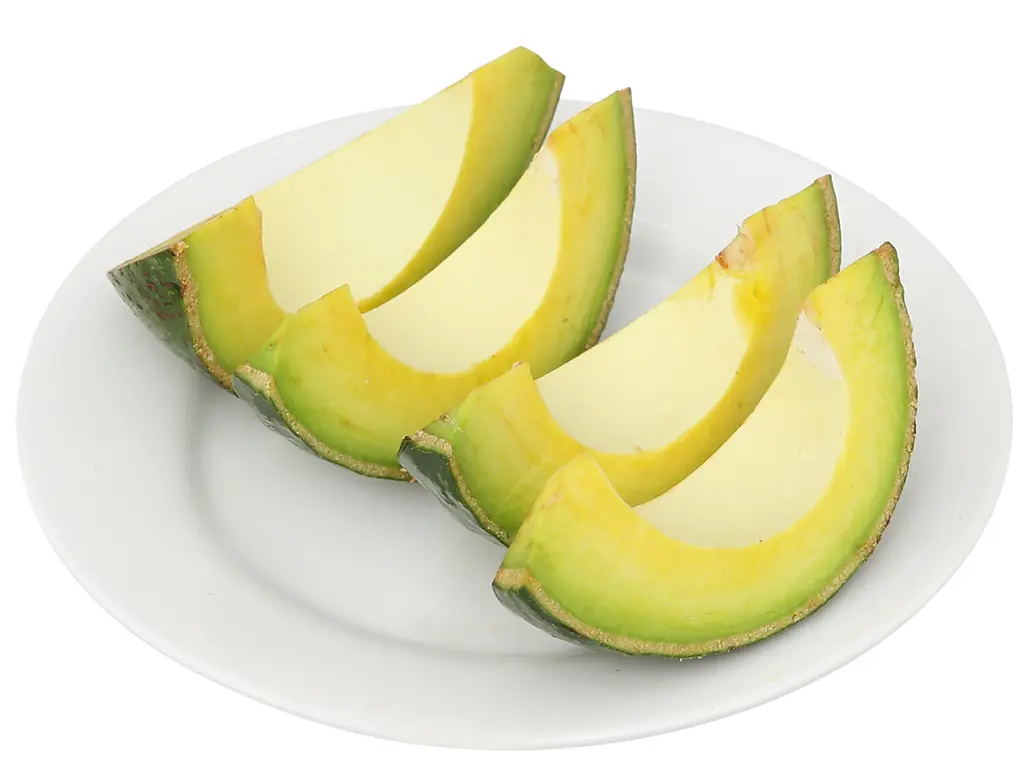
Despite being calorie-dense, avocados may support weight control due to:
-
High fiber content
-
Healthy fat composition
-
Increased satiety (feeling full longer)
Studies indicate that people who regularly consume avocados tend to have lower body weight and reduced abdominal fat compared to non-consumers.
5. Supports Blood Sugar Control
Avocados are low in carbohydrates and high in fiber and fat, which helps stabilize blood sugar levels.
Research suggests that replacing refined carbohydrates with healthy fats like those in avocado may improve insulin sensitivity and reduce the risk of type 2 diabetes.
6. Rich in Antioxidants for Eye and Brain Health
Avocados contain lutein and zeaxanthin, carotenoids that accumulate in the retina and help protect against age-related macular degeneration.
Their healthy fat content also improves the absorption of fat-soluble nutrients, including vitamins A, D, E, and K from other foods.
7. Anti-Inflammatory Properties
Chronic inflammation is linked to heart disease, diabetes, and neurodegenerative disorders.
The combination of oleic acid, carotenoids, and vitamin E in avocados contributes to reduced inflammatory markers in the body.
What About Avocado Seeds?
Avocado seeds make up about 13–18% of the fruit and are often discarded. However, emerging research suggests they may contain bioactive compounds with potential health benefits.
Nutritional Components of Avocado Seeds

Avocado seeds are rich in:
-
Polyphenols
-
Flavonoids
-
Antioxidants
-
Fiber
-
Small amounts of healthy fats
Laboratory studies have shown that avocado seed extracts possess strong antioxidant activity.
Potential Health Benefits of Avocado Seeds
⚠️ Important: Most evidence comes from laboratory and animal studies. Human research is still limited.
1. High Antioxidant Activity
Avocado seeds contain high levels of polyphenols, which help neutralize free radicals and reduce oxidative stress.
Oxidative stress contributes to aging and chronic diseases.
2. May Help Reduce Cholesterol (Preliminary Evidence)
Some animal studies suggest that compounds in avocado seeds may help lower total cholesterol and triglyceride levels.
However, human studies are needed to confirm this effect.
3. Potential Anti-Inflammatory Effects
Research indicates that avocado seed extracts may reduce inflammatory markers in laboratory settings.
These effects are attributed to flavonoids and phenolic compounds.
4. Antimicrobial Properties
Some studies show that avocado seed extracts may inhibit certain bacteria and fungi in controlled environments.
This suggests possible applications in food preservation or natural medicine, though clinical evidence is limited.
Are Avocado Seeds Safe to Eat?
While avocado seeds are not toxic in small amounts, their safety has not been thoroughly studied in humans.
Concerns include:
-
Lack of long-term safety data
-
Possible digestive discomfort
-
High concentration of bioactive compounds
Health authorities generally do not officially recommend consuming avocado seeds due to insufficient human research.
If consumed, they are typically:
-
Dried
-
Ground into powder
-
Added in very small amounts to smoothies
However, moderation is essential, and more scientific research is needed before routine consumption can be considered safe.
How to Include Avocados in Your Diet
Avocados are versatile and easy to incorporate into meals:
-
Spread on whole-grain toast
-
Added to salads
-
Blended into smoothies
-
Used in guacamole
-
Added to sandwiches and wraps
-
Mixed into soups for creaminess
A typical serving size is about one-third to one-half of a medium avocado.
Final Thoughts
Avocados are one of the most nutrient-dense fruits available. Scientific evidence supports their benefits for:
-
Heart health
-
Cholesterol management
-
Gut health
-
Blood sugar control
-
Weight management
-
Anti-inflammatory support
Avocado seeds show promising antioxidant and anti-inflammatory properties in early research, but human studies are still limited. Until more evidence is available, they should be consumed cautiously, if at all.
Incorporating avocados into a balanced diet can be a delicious and scientifically supported way to improve overall health.