:max_bytes(150000):strip_icc():format(webp)/Health-GettyImages-FoodsToMakeYouPoop-d540eac87415469dbf8e7f86c7019de7.jpg)
bymuratdeniz / Getty Images
- You can eat prunes as a natural laxative, high in fiber and sorbitol, to help stimulate bowel movements.
- Try adding pectin-rich apples to your diet for soluble fiber that creates softer stools for easier passage.
- Supplements like psyllium can also provide fiber that helps treat and prevent constipation.
Foods that help you poop contain fiber, which aids in bowel regularity. Prunes, apples, and kiwi are excellent choices.
1. Prunes
:max_bytes(150000):strip_icc():format(webp)/Health-GettyImages-FoodForPoop-Prunes-b514753e5532489ca356b06572bfd086.jpg)
Iuliana Niculaie / Getty Images
Prunes (dried plums) are one of the most effective and studied fruits to help prevent and treat constipation. Prunes are high in fiber and sorbitol, which makes them a natural laxative that helps to stimulate bowel movements.
Studies show that prunes significantly improved stool consistency and increased the number of complete spontaneous bowel movements (CSBM) compared to psyllium, another soluble fiber sometimes used as a laxative. CSBMs are bowel movements that happen without medications and result in a complete evacuation (meaning that once you've pooped, you don't feel like you still have stools to pass).3
What Is Fiber?
Dietary fiber is a carbohydrate that your body cannot digest. It helps satiate you, regulates blood sugar levels, and balances your gut flora. Fiber is in whole grains, fruits, vegetables, and legumes and is essential to gut health.4
Soluble fiber absorbs water in the digestive tract and forms a gel-like substance that helps to move stool through your digestive system. Oats, barley, psyllium, beans, apples, and sweet potatoes contain soluble fiber. Insoluble fiber adds bulk to stool and helps move digested food through the digestive tract. Wheat bran, whole-wheat flour, cauliflower, potatoes, and green beans are all great sources of insoluble fiber.5
2. Apples
:max_bytes(150000):strip_icc():format(webp)/Health-GettyImages-Apples-d3d3a9cecc784c0690ecc504c59b0d50.jpg)
annabogush / Getty Images
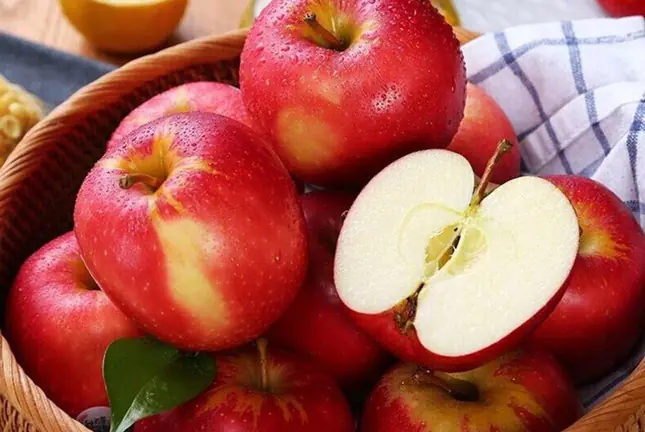
Apples are the most consumed fruit in the United States. Apples contain pectin, a type of soluble fiber that helps to improve the transit time of food in your digestive system. Pectin also absorbs water in the digestive tract, which helps to create larger, softer stools that are easier to pass. Researchers have found that supplementing pectin increased colon transit time and helped decrease constipation symptoms.6
3. Mangoes
:max_bytes(150000):strip_icc():format(webp)/Health-GettyImages-Mangoes-580c2e8f6cd4421f9be4f475dddc0601.jpg)
Olena Malik / Getty Images
This juicy tropical fruit isn't just a staple for smoothie bowls. It may also help improve your stool frequency, consistency, and shape. Studies show that mango's constipation-relieving effects go beyond the fiber content of the fruit and that a nutrient other than fiber may play a role in the constipation relief.7
One study in particular found that participants who ate 300 grams of mango (one to two mangoes) over four weeks saw an improvement in their constipation.8
4. Psyllium
:max_bytes(150000):strip_icc():format(webp)/Health-GettyImages-Psyllium-d692b323ef6943d4bd6320b40a5d6a58.jpg)
olgakr / Getty Images
Psyllium, which can come in husk or powder form, is a soluble fiber from the shrub Plantago psyllium. Supplement manufacturers often use psyllium in laxatives because it helps increase the bulk of your stool by drawing in water and easing the passage of stool. Studies show psyllium can reduce stomach pain and straining and improve stool frequency and consistency.9 While psyllium isn't as effective as prunes, it's a potent laxative you can try if you are allergic to prunes.
5. Kiwi
:max_bytes(150000):strip_icc():format(webp)/Health-GettyImages-Kiwis-0362304f52e444d6910eae3bdd80080b.jpg)
wilatlak villette / Getty Images
Kiwi fruit is a small green fruit from the berry family. It's known for its bright coloring and nutrients but is also an effective constipation remedy. Kiwis contain soluble and insoluble fiber. Soluble fiber supports a healthy gut microbiome, and insoluble fiber helps maintain regular bowel movements.
Studies show that kiwis can improve CSBMs, transit time, and bowel habits, decreasing the need for laxatives. The constipation relief is attributed to the fiber content in kiwis, which can help add bulk to stools and increase the speed at which they move through the digestive tract.10 A study also found that consuming two kiwis daily can improve constipation and abdominal comfort.11 More research is needed to see if any other nutrients may play a role in the efficacy of kiwis.
6. Kefir
:max_bytes(150000):strip_icc():format(webp)/Health-GettyImages-Kefir-a0e0ef8268364523b9ca10e950307c39.jpg)
ondacaracola photography / Getty Images
Kefir is a fermented yogurt drink produced by fermenting milk with kefir grains. This ancient grain originates from Eastern Europe and looks like small pieces of cauliflower. Kefir is one of the most potent probiotic foods available and is more powerful than yogurt, containing over 60 different strains of beneficial bacteria.12
The nutrients and healthy bacteria in kefir promote wound healing and immune system health. Kefir has antimicrobial, anticarcinogenic, and antiallergic properties.12 Kefir also helps to relieve constipation. Studies show kefir increases stool frequency, improves stool consistency, improves colon transit time, and decreases laxative use.13
7. Figs
:max_bytes(150000):strip_icc():format(webp)/Health-GettyImages-Figs-1ad28e6060ed43b1acc5717bcf3dae29.jpg)
Anne DEL SOCORRO / Getty Images
Figs, a soft, sweet fruit of the ficus tree, are an underrated fruit that can help relieve symptoms of constipation. While less popular than apples and prunes for constipation relief, studies show fig paste can help to reduce colon transit time, improve stool consistency, and reduce some of the discomfort associated with constipation.14
In one study in particular, people with irritable bowel syndrome (IBS) who ate about four dried figs every day reported decreased symptoms of pain and hard stools compared to other people who received a placebo.15
How Much Dietary Fiber Do You Need per Day?
Over 90% of people assigned female at birth (AFAB) and 97% of people assigned male at birth (AMAB) don't meet the recommended daily intake for dietary fiber. With statistics like these, it's no wonder that so many people experience constipation.
According to the United States Department of Agriculture (USDA) dietary guidelines, people AFAB under 50 need 25-28 grams of fiber daily, while people AMAB under 50 need 31-34 grams daily. These recommendations are for total dietary fiber, including soluble and insoluble fiber.16
If you are not meeting the USDA's recommendations, you can slowly increase your fiber intake by including more fruits, vegetables, beans, legumes, and whole grains in your diet. It's important to increase your fiber intake slowly because a sudden increase in fiber can lead to excessive gas, stomach cramps, and diarrhea.5
Other Ways To Relieve Constipation
Apart from diet, there are other methods you can try to relieve and prevent constipation:17
- Stay hydrated by drinking plenty of water and other fluids.
- Engage in regular physical activity to stimulate bowel movements.
- Establish a consistent bathroom routine.
- Get into the habit of going to the bathroom as soon as the need arises.
Foods To Avoid if You're Constipated
Certain foods can cause constipation or make it worse, including:17
- Refined carbohydrates like white bread and pasta
- Low-fiber cereals
- Ultra-processed foods low in fiber
- Fried or greasy foods
When To Contact a Healthcare Provider
It's essential to contact a healthcare provider if your constipation persists or worsens despite dietary changes. They can determine whether an underlying medical condition might contribute to your symptoms and recommend treatments.18
It is also crucial to contact a healthcare provider if you experience any of the following symptoms:18
- Bleeding from your rectum or blood in your stool
- Inability to pass gas
- Unintentional weight loss
- Frequent and intense stomach pains or cramps
- Fever
- Lower back pain
- Vomiting