Doctors Reveal What Really Happens When You Eat Walnuts
Walnuts are often labeled as a “brain food” because of their shape and nutrient profile. Social media posts frequently suggest dramatic health transformations from eating a handful daily. But what does clinical research actually show?
Let’s examine the evidence-based effects of walnuts on the body.
What’s Inside a Walnut?


Walnuts are nutritionally dense and contain:
-
Omega-3 fatty acids (ALA – alpha-linolenic acid)
-
Polyphenols (antioxidants)
-
Fiber
-
Plant protein
-
Magnesium
-
Vitamin E (small amounts)
-
Copper and manganese
They are higher in omega-3 fats than most other nuts, which is one reason they are frequently recommended for heart health.
1. Heart Health Support
One of the strongest areas of evidence for walnuts is cardiovascular benefit.
Research suggests walnuts may:
-
Reduce LDL (“bad”) cholesterol
-
Improve endothelial function (blood vessel health)
-
Lower inflammation markers
-
Support healthy lipid profiles


The omega-3 fatty acids and polyphenols in walnuts contribute to these effects.
However, the impact is generally moderate, not dramatic. Walnuts support heart health as part of an overall balanced diet—not as a standalone cure.
2. Brain Function and Cognitive Health
Because walnuts resemble the human brain, they are often marketed as brain-enhancing foods.
Scientific findings show:
-
Antioxidants may help reduce oxidative stress in brain tissue.
-
Omega-3 fats support neuronal membrane health.
-
Some observational studies link nut consumption with better cognitive aging.
But:
-
Walnuts do not instantly improve memory.
-
They are not a treatment for dementia.
-
Effects are gradual and long-term.
3. Gut Health Benefits

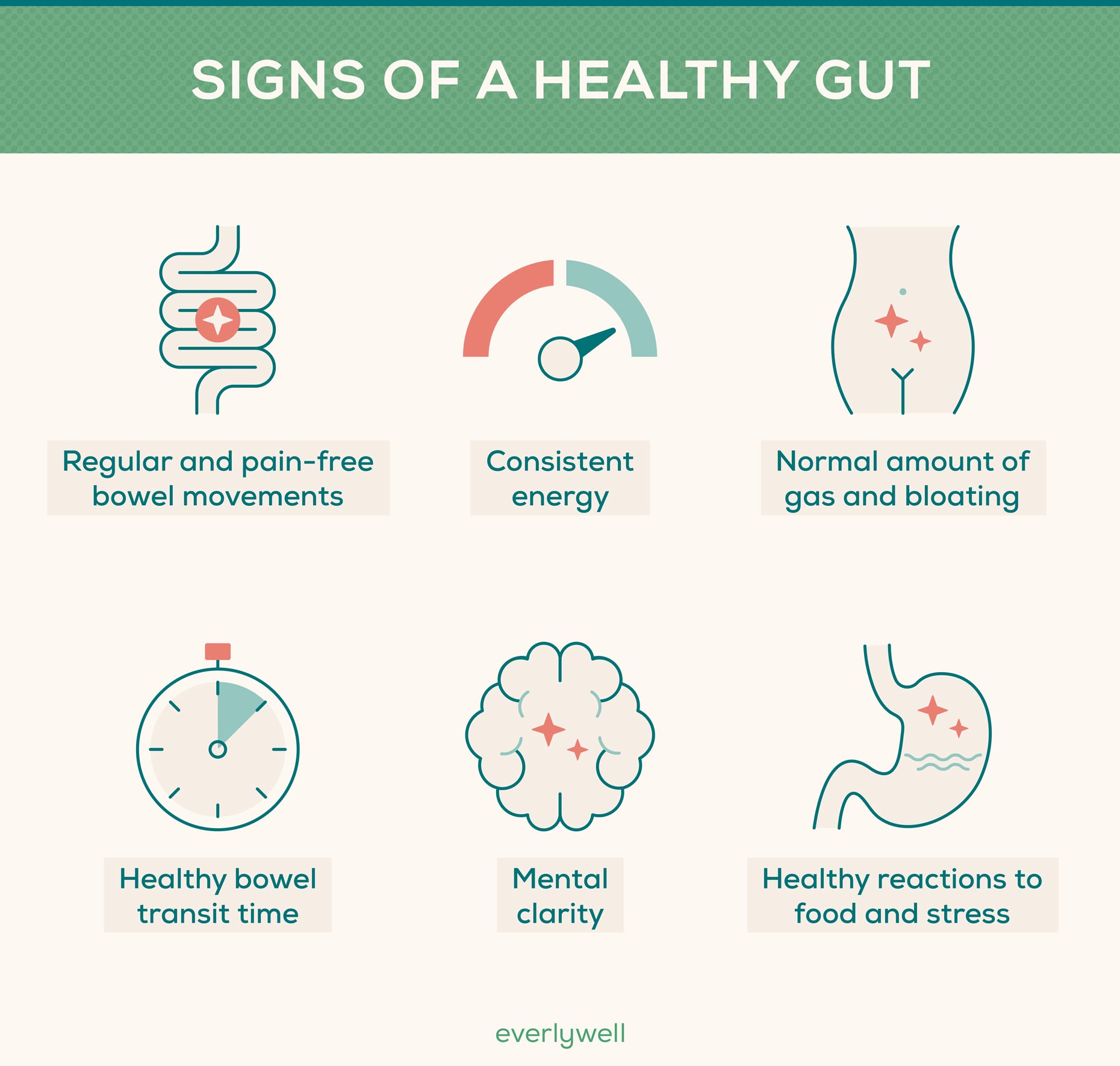

Walnuts contain fiber and polyphenols that can:
-
Support beneficial gut bacteria
-
Improve microbiome diversity
-
Promote digestive health
A healthy gut microbiome is associated with improved immunity and metabolic regulation.
4. Blood Sugar Regulation
Walnuts have:
-
Low carbohydrate content
-
Healthy fats
-
Fiber
These characteristics help:
-
Slow glucose absorption
-
Improve satiety
-
Stabilize blood sugar levels
For individuals with type 2 diabetes or insulin resistance, incorporating nuts into balanced meals may support glycemic control.
5. Weight Management
Despite being calorie-dense, walnuts do not necessarily cause weight gain when eaten in moderation.
Why?
-
High satiety value
-
Healthy fat content
-
Protein and fiber slow digestion
Some studies suggest nut consumption is associated with better weight control over time.
Portion size matters—typically about a small handful (28–30 grams) per day.
Potential Downsides
Walnuts are healthy—but not risk-free.
Possible concerns include:
-
High calorie density (overconsumption can contribute to weight gain)
-
Nut allergies (can be severe)
-
Digestive discomfort if eaten in excess
-
Oxidation if stored improperly (rancid fats)
Storage tip: keep walnuts in airtight containers in cool environments to prevent spoilage.
Do Walnuts “Cause” Dramatic Changes?
Viral headlines often imply:
-
Rapid cholesterol reversal
-
Instant brain