Rice is a staple food in the daily meals of many Vietnamese people. However, not everyone should eat rice freely or in large quantities.
Rice provides essential energy and nutrients for the body, but excessive consumption may not be suitable for certain individuals. For some patients, limiting rice intake can offer significant health benefits. In particular, people with diabetes, obesity, and digestive issues are often advised to reduce their rice consumption.
Maintaining a balanced and appropriate diet is key to improving overall health and preventing serious complications. Below are groups of people who should consider limiting their rice intake:
1. People with Diabetes

People with diabetes should limit rice consumption because rice is high in carbohydrates, which are converted into glucose in the body and can raise blood sugar levels. This may lead to dangerous complications.
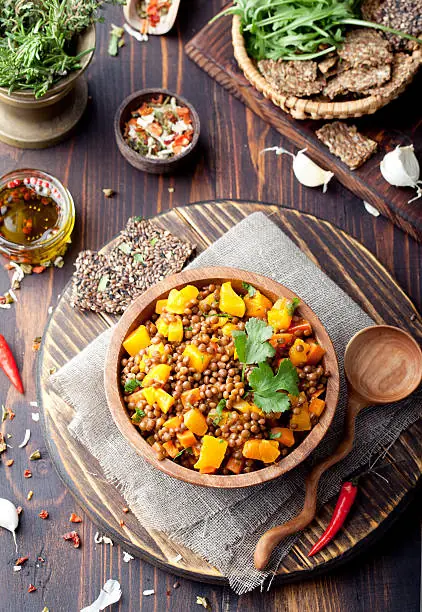
Instead, individuals with diabetes are encouraged to choose high-fiber, low-glycemic-index foods such as brown rice, quinoa, or legumes.
2. People with Cardiovascular Disease
For those with heart conditions, reducing rice intake can help control calorie consumption and maintain a healthy weight, thereby lowering pressure on the heart.
Instead of white rice, whole grains such as oats, barley, or brown rice are better alternatives, as they provide energy without contributing significantly to weight gain.
3. People with Kidney Disease

Individuals with kidney disease need to carefully control their intake of protein and phosphorus. White rice can contain notable amounts of phosphorus, and limiting its consumption may help reduce the burden on the kidneys and prevent related complications.
Healthier alternatives include low-phosphorus, nutrient-rich foods such as sweet potatoes, potatoes, and various vegetables.
4. People with Obesity
Rice is a significant source of calories, so people who are overweight or obese should limit their intake to reduce overall calorie consumption. This can help with weight management and lower the risk of obesity-related conditions such as diabetes, heart disease, and high blood pressure.
Replacing rice with vegetables, fruits, and whole grains can provide necessary nutrients without excessive calorie intake.
5. People with Gout
People with gout are often advised to limit rice consumption, as it may contribute to increased uric acid levels in the blood, potentially triggering acute gout attacks.
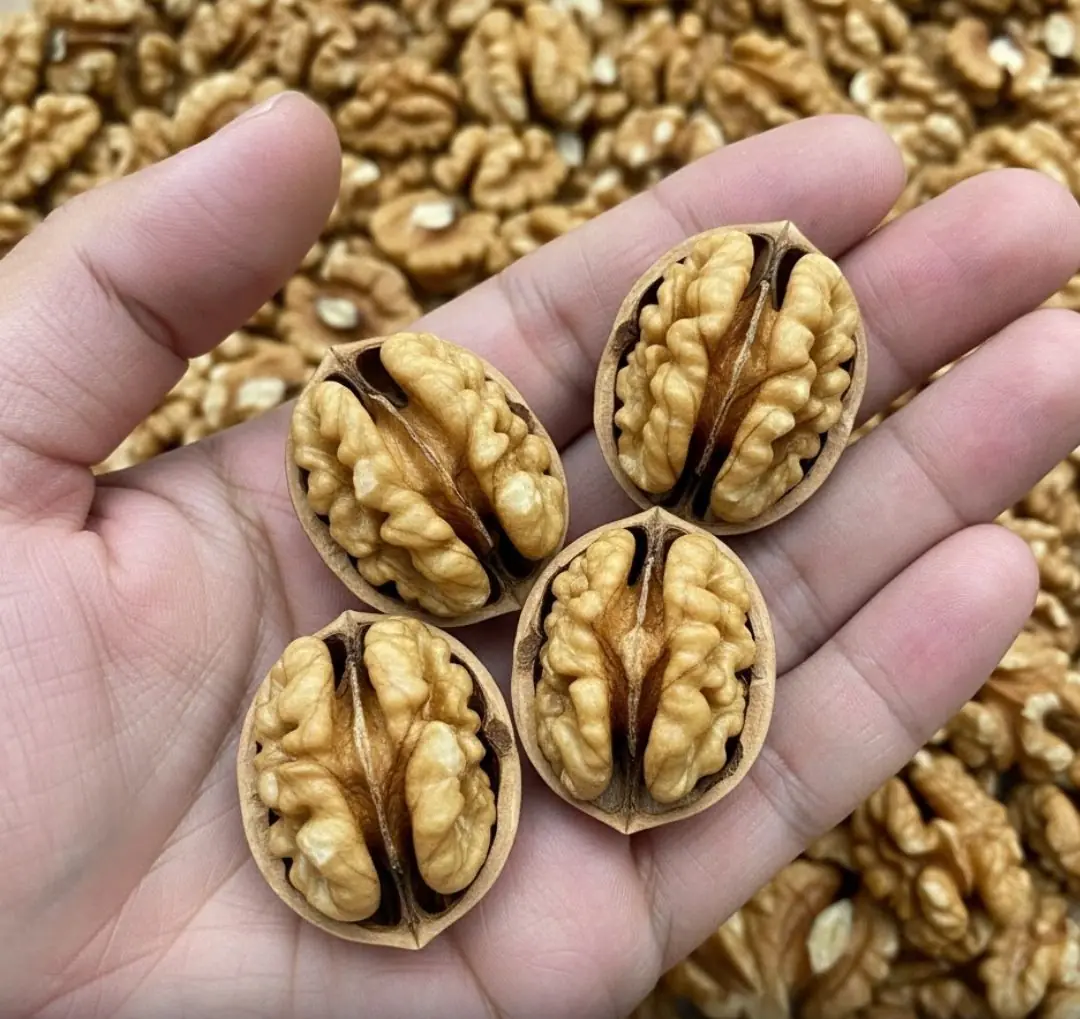
Instead, they should focus on high-fiber, low-purine foods such as leafy greens, fruits, and nuts.
Limiting rice intake can be challenging, especially for those who are accustomed to eating it daily. However, to protect overall health and better manage medical conditions, individuals in the above groups should consider adjusting their diets.
It is always advisable to consult a doctor or a registered dietitian to determine the most suitable dietary plan based on your specific health condition.