What Really Happens to Your Body When You Eat Pineapple Every Day?
Why Adding Pineapple to Your Diet Could Boost Your Health
Health 27/02/2026 23:32
Raw cabbage is a staple in salads, coleslaw, and fermented dishes around the world. It’s crunchy, refreshing, and packed with nutrients. However, despite its health halo, there are important reasons why eating raw cabbage may not always be the best choice—especially for certain individuals.
Below is a science-based look at the potential risks of eating raw cabbage and when you may want to think twice.
Raw cabbage belongs to the cruciferous vegetable family, along with broccoli and kale. These vegetables contain natural compounds called goitrogens, which can interfere with the thyroid gland’s ability to use iodine.
According to the National Institutes of Health (NIH), adequate iodine intake is essential for normal thyroid hormone production. In people with iodine deficiency or pre-existing thyroid disorders (such as hypothyroidism), consuming large amounts of raw cruciferous vegetables may potentially worsen thyroid function.
Cooking significantly reduces goitrogenic compounds, making cooked cabbage less likely to interfere with thyroid health.
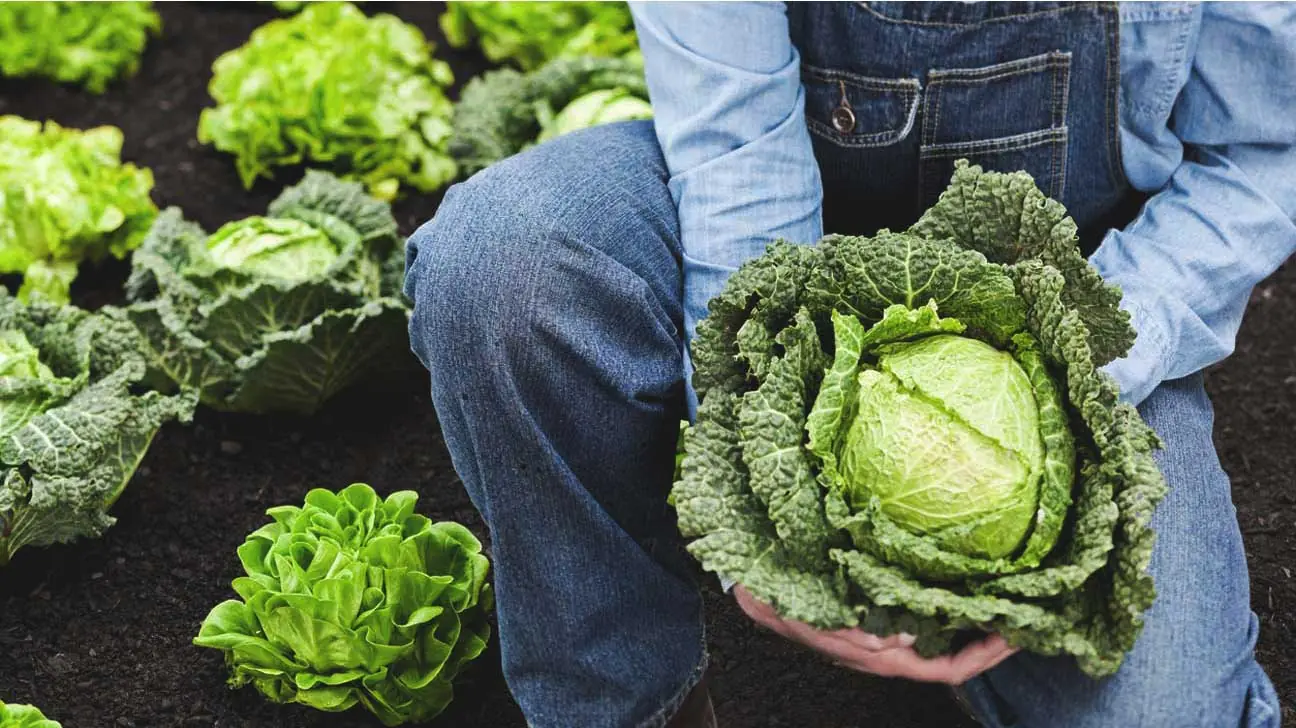
Cabbage is high in fiber and contains raffinose, a type of complex sugar that the human body cannot fully digest. When raffinose reaches the large intestine, gut bacteria ferment it, producing gas.
The Cleveland Clinic explains that cruciferous vegetables like cabbage can cause bloating, gas, and abdominal discomfort, particularly in individuals with sensitive digestive systems or irritable bowel syndrome (IBS).
Cooking cabbage helps break down some of these compounds, making it easier to digest.
Like many raw vegetables, cabbage can be contaminated with harmful bacteria such as Salmonella, E. coli, or Listeria during growing, harvesting, or processing.
The Centers for Disease Control and Prevention (CDC) reports that raw produce is a common source of foodborne illness outbreaks. While washing reduces risk, it does not eliminate it entirely. Cooking cabbage kills most harmful pathogens, significantly lowering the risk of infection.
This is especially important for:
Pregnant women
Older adults
Young children
People with weakened immune systems
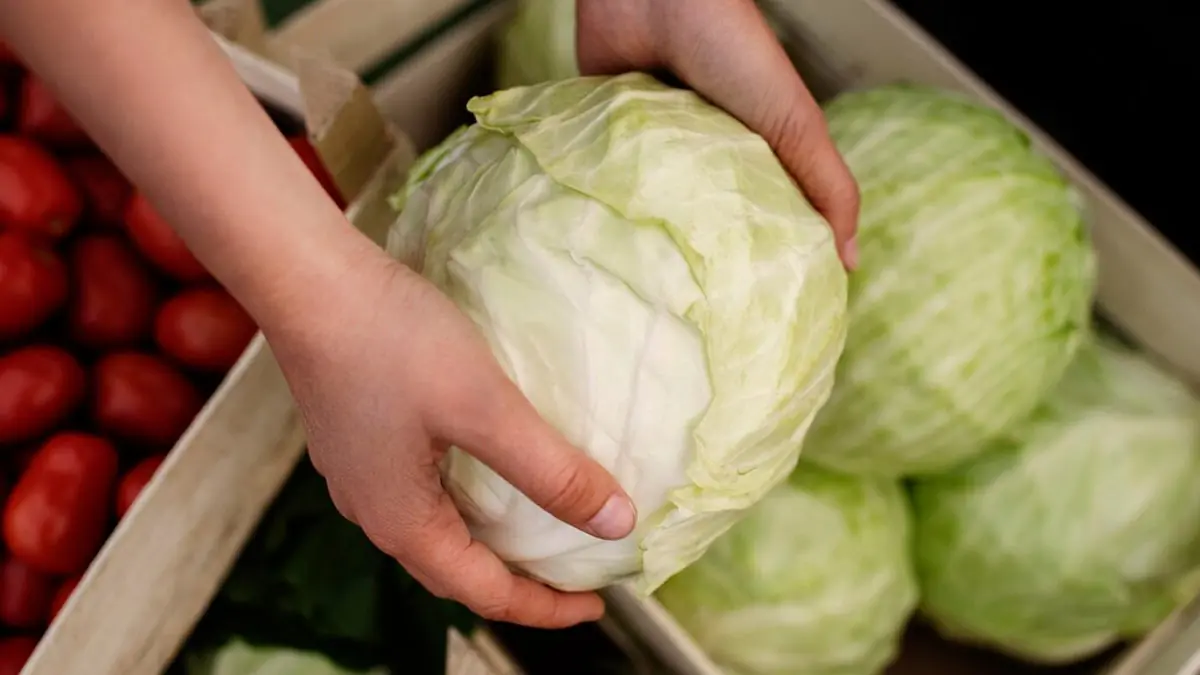
Cabbage is rich in vitamin K, a nutrient essential for blood clotting. However, high vitamin K intake can interfere with blood-thinning medications such as warfarin.
The Mayo Clinic advises that individuals taking anticoagulants should keep vitamin K intake consistent and consult their healthcare provider before making major dietary changes.
Raw cabbage contains more intact vitamin K than cooked cabbage (since cooking can reduce some nutrient content), which may be relevant for those on such medications.
In some regions with poor sanitation or contaminated soil, raw leafy vegetables—including cabbage—can carry parasite eggs. While this is uncommon in developed food systems, the risk exists if produce is not properly washed or sourced.
Cooking effectively eliminates this risk.
The phrase “never” may be too strong for most healthy individuals. Raw cabbage can be nutritious and safe when:
It is thoroughly washed
You have no thyroid condition
You tolerate high-fiber foods well
You are not immunocompromised
However, if you have thyroid disease, digestive sensitivity, or a weakened immune system, you may benefit from choosing cooked cabbage instead.
Raw cabbage offers vitamins, fiber, and antioxidants—but it also carries potential downsides. Cooking cabbage reduces goitrogens, improves digestibility, and lowers the risk of foodborne illness.
For most people, moderation is key. For some, especially those with specific health conditions, skipping raw cabbage altogether may be the safer choice.
If you have underlying health concerns, consult a qualified healthcare professional before making significant dietary changes.
Why Adding Pineapple to Your Diet Could Boost Your Health
Why Eating Almonds Regularly Can Transform Your Health
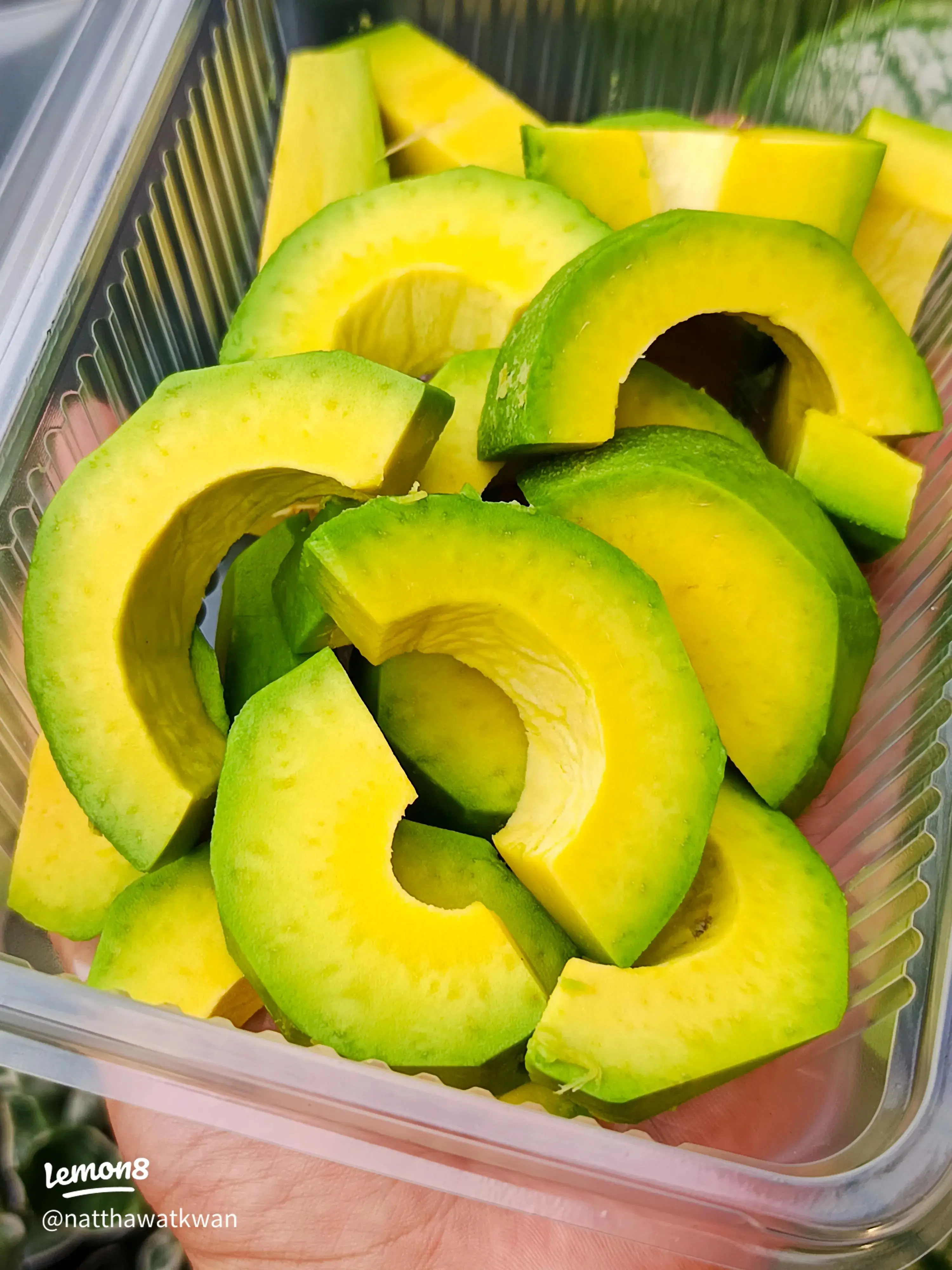
Unlocking the Science-Backed Health Benefits of Avocados and Their Seeds
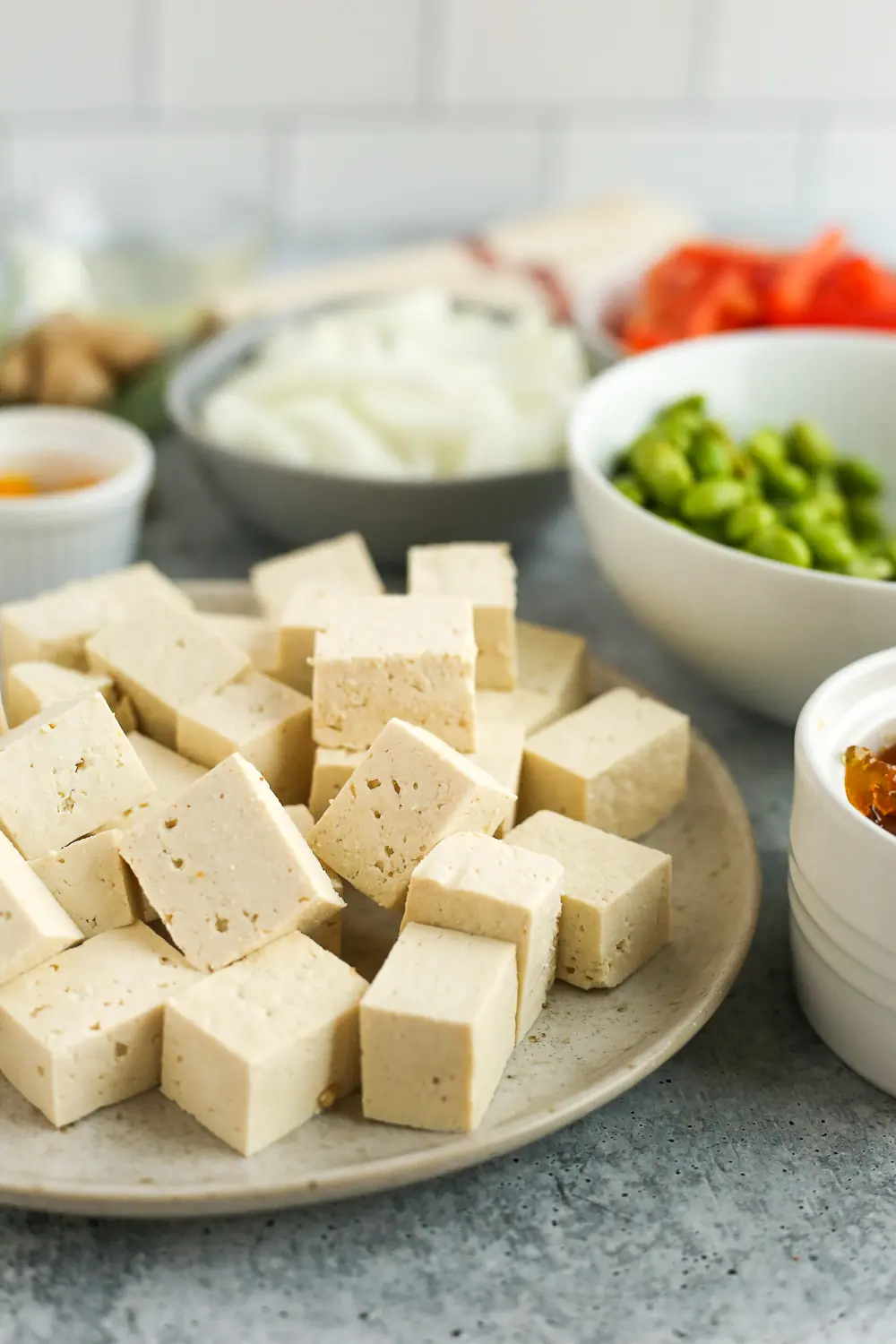
Before You Eat More Tofu, Here Are 7 Risks Men Should Know

As healthy living trends continue to grow, coconut water is often viewed as a relatively pure “natural electrolyte drink.”

Amazing Health Benefits of Chicken Feet You Should Know

Need Help Going? 7 Foods That Promote Regular Bowel Movements
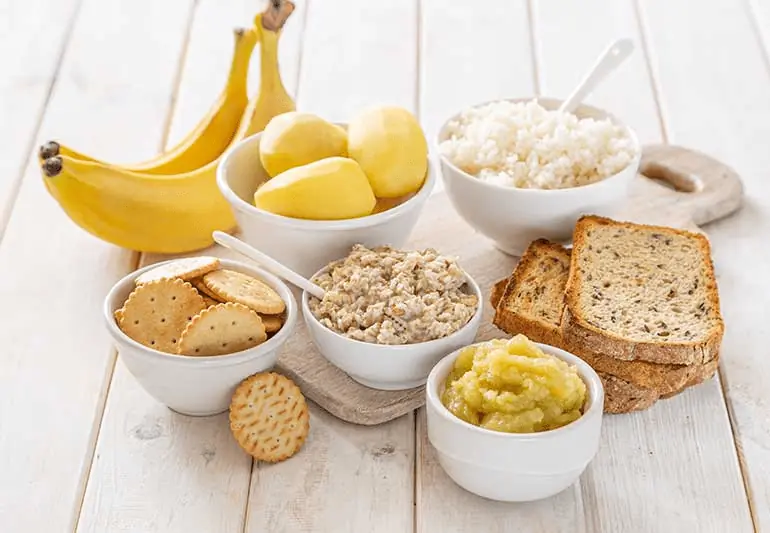
Struggling with Diarrhea? 5 Foods That May Provide Fast Relief

Experts Warn: These 5 Groups Should Limit Their Rice Consumption

Before You Make Coconut a Daily Habit, Know This
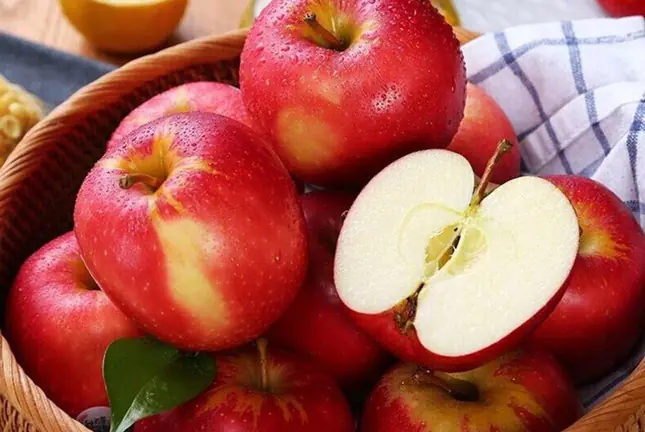
5 things that happen to your body if you eat an apple before bed

Craving Jackfruit? These 5 People Should Think Twice Before Taking a Bite

Cashews aren’t just creamy, craveable, and delicious—they’re also nutritional powerhouses packed with essential minerals, healthy fats, and plant-based goodness.
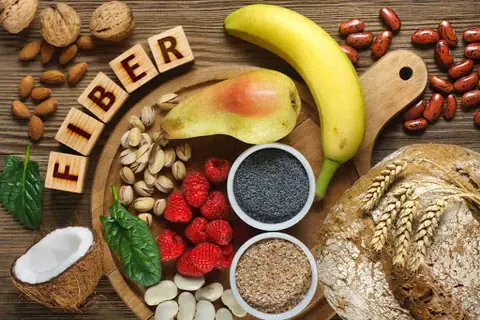
Diabetic Diet Tip: 5 High-Fiber Foods That Stabilize Glucose

The Hidden Link Between Coffee and Cholesterol
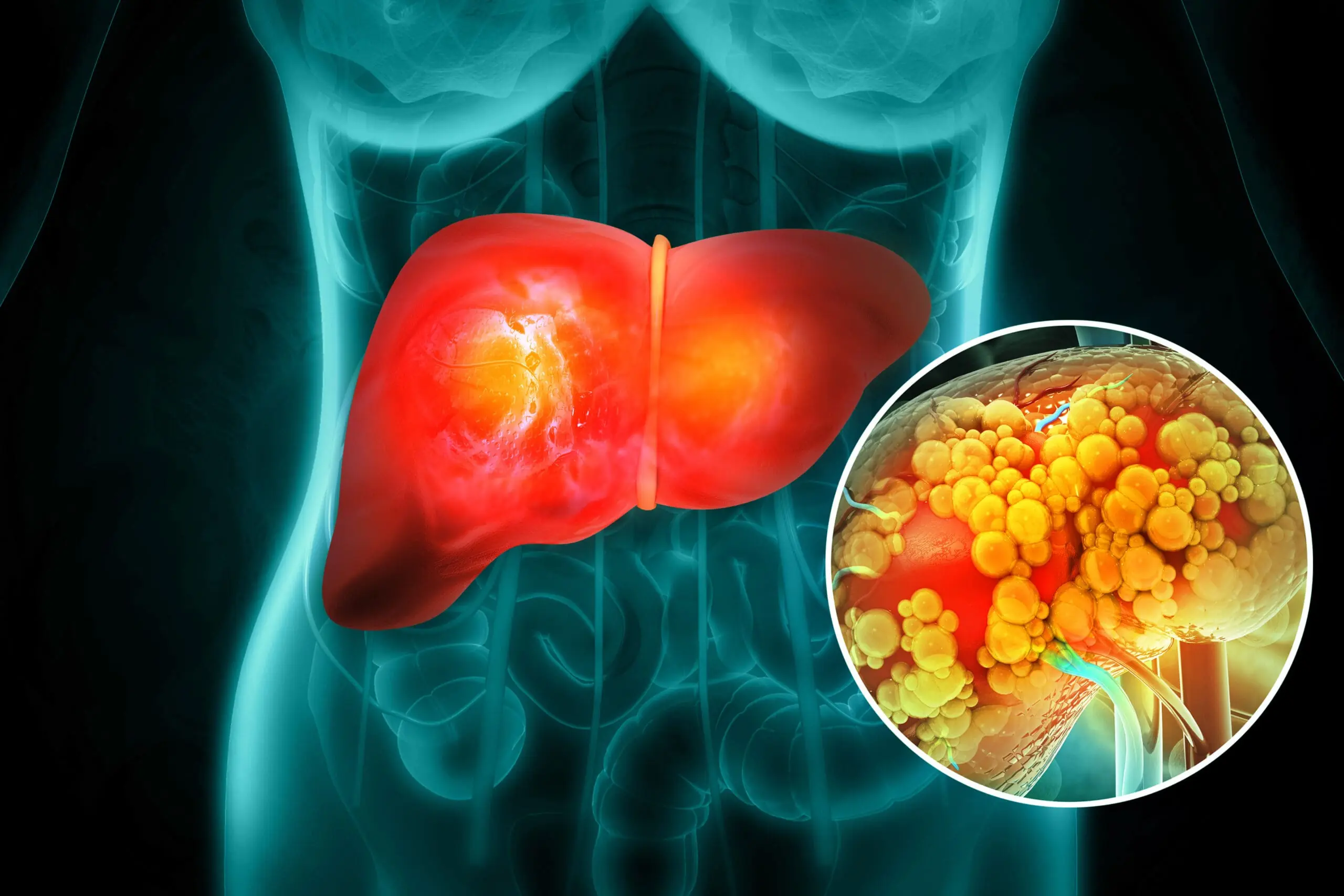
10 Science-Backed Foods That Support Fatty Liver Recovery

Ginger is often celebrated for its powerful anti-inflammatory and digestive benefits.

70-year-old man drinks lemon water to treat high blo.od pressure for 2 years

Not Everyone Should Eat Eggplant — Are You at Risk?


Why Adding Pineapple to Your Diet Could Boost Your Health
Why Eating Almonds Regularly Can Transform Your Health