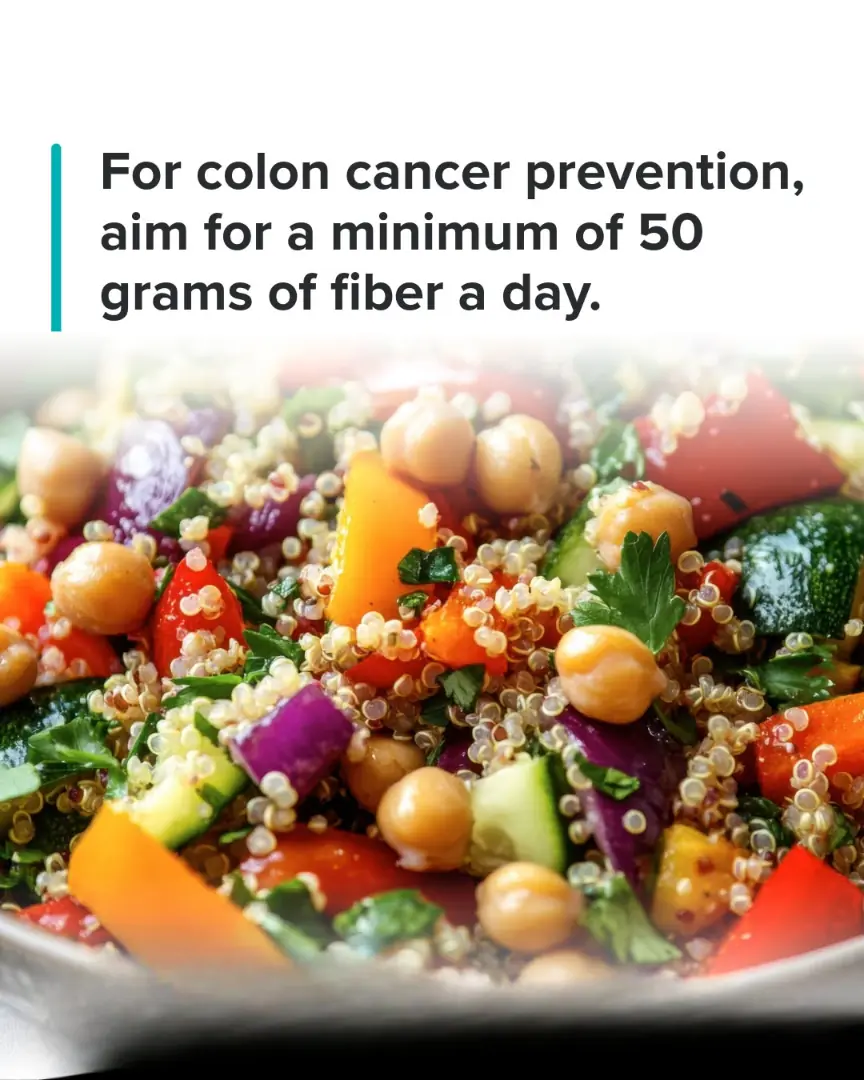
Can Eating More Fiber Help Prevent Colon Cancer? Here's What the Science Says
Can Eating More Fiber Help Prevent Colon Cancer? Here's What the Science Says
Health Food 10/07/2026 21:36


 7
7
Walk into almost any café or health food store, and you'll find shelves filled with fresh juices, cold-pressed beverages, and colorful smoothies. Both are often marketed as healthy choices—but are they equally nutritious?
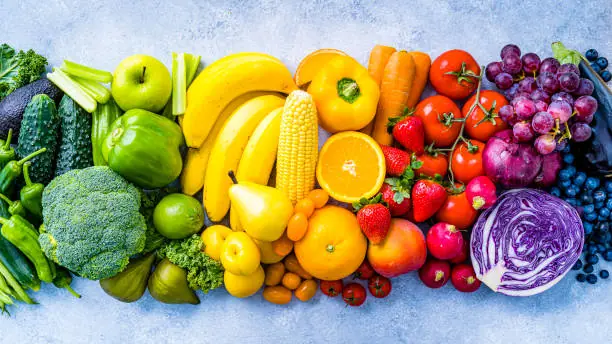
The image above highlights an important point: blending whole fruits generally preserves more of their natural nutrients than juicing. While both methods can increase your intake of fruits and vegetables, they affect the nutritional value in different ways.
Current nutrition research suggests that, for most people, eating whole fruits or blending them into smoothies provides more health benefits than drinking juice alone, largely because the fiber remains intact.
Let's take a closer look at why.
Juicing extracts the liquid from fruits or vegetables while removing much of the pulp.
The pulp contains:
As a result, juice often contains:
Although many vitamins remain in freshly prepared juice, some valuable components are reduced or lost during the process.
Blending works differently.
Instead of separating the juice from the pulp, the blender pulverizes the entire fruit or vegetable, including much of the edible fiber.
A smoothie made from whole fruit typically retains:
Because the fiber stays in the drink, smoothies are usually more filling and have a gentler effect on blood sugar than fruit juice.
Fiber is one of the most valuable nutrients in fruits and vegetables.
It helps:
Most adults consume far less fiber than recommended, making whole fruits and blended smoothies an easy way to increase intake.
Polyphenols are natural compounds found in colorful plant foods.
Examples include:
Research suggests polyphenols may help:
Interestingly, many polyphenols are naturally bound to plant fiber. Removing the fiber during juicing may also reduce the amount of these beneficial compounds reaching the digestive system.
When fiber is removed, the natural sugars in fruit are absorbed more quickly.
This may lead to:
For healthy individuals, an occasional glass of 100% fruit juice can still fit into a balanced diet. However, people with diabetes, insulin resistance, or those trying to manage their weight may benefit more from whole fruits or smoothies that retain fiber.
Not necessarily.
A smoothie can become high in calories and added sugars if it includes:
To make a healthier smoothie, try combining:
This combination provides fiber, protein, healthy fats, vitamins, and minerals—all of which contribute to better satiety and balanced nutrition.
Juicing isn't "bad." In certain situations, it can be useful.
Examples include:
Fresh vegetable juices can also help increase vegetable intake, although they should complement—not replace—whole vegetables.
Nutrition experts generally agree that eating whole fruit provides the greatest nutritional benefit.
Whole fruits contain:
If choosing between juice and a smoothie made from whole fruit, the smoothie usually offers more nutritional value because it retains much of the fruit's natural structure.
To maximize nutrition:
A balanced smoothie can be a nutritious breakfast or snack, but it should complement an overall healthy diet rather than replace regular meals every day.
The statement in the image is generally supported by nutrition science: blending whole fruits typically preserves more fiber and many beneficial plant compounds than juicing.
That said, both smoothies and fresh juices can be part of a healthy eating pattern. The biggest difference lies in what is removed during processing. Fiber and fiber-bound polyphenols play important roles in digestion, blood sugar regulation, heart health, and the gut microbiome—benefits that are largely retained when fruits are blended rather than juiced.
Whenever possible, aim to enjoy whole fruits first, choose smoothies made from whole ingredients when you want a drinkable option, and reserve fruit juice as an occasional addition rather than your primary source of fruit.
🥤 The healthiest choice isn't just about what's in your glass—it's about preserving the natural goodness that whole fruits and vegetables were designed to provide.
Can Eating More Fiber Help Prevent Colon Cancer? Here's What the Science Says

Dairy and Women's Fertility: Does Milk Accelerate Ovarian Aging? What the Science Really Says
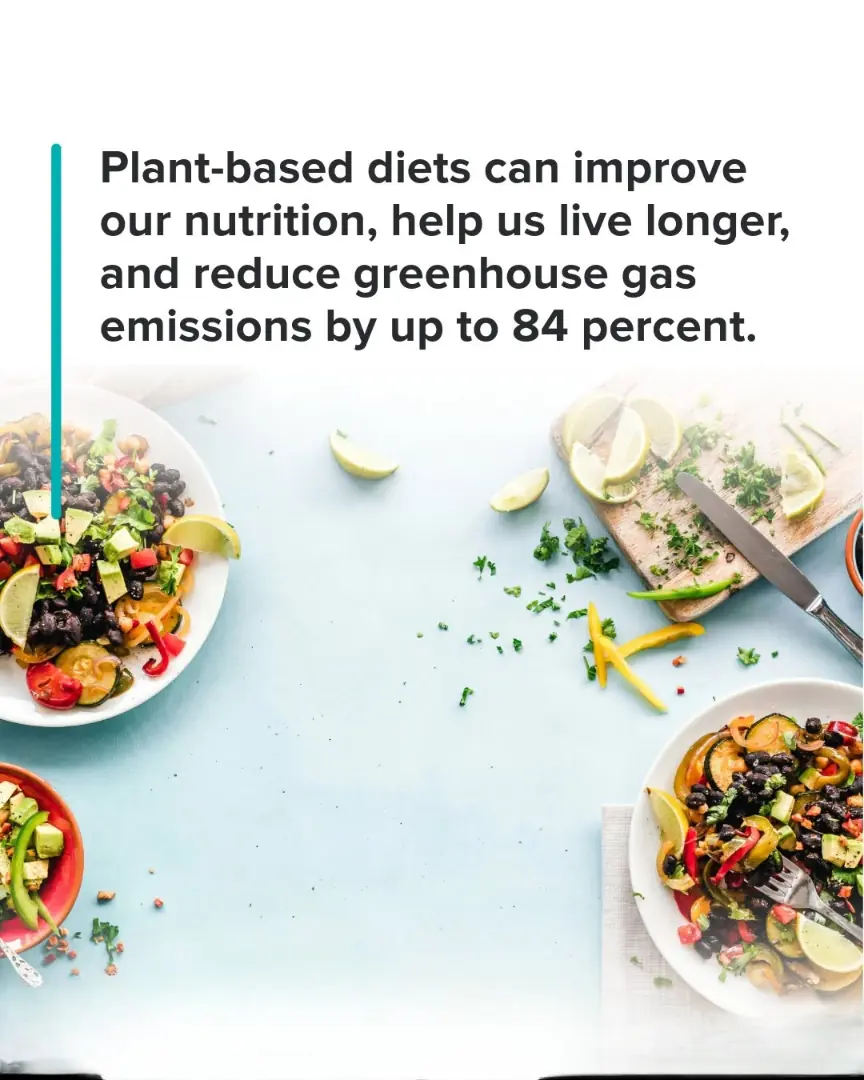
Plant-based diets could save the lives of more than ten million people a year. One of the most comprehensive and systematic analyses ever done

Alcohol and Cancer: Can Even Light Drinking Increase Your Risk? Here's What Science Really Says

The Vegetable Most Likely To Carry Parasites Is Also One Many People Love Eating Raw

The hidden mistake many people make when handling eggs at home.
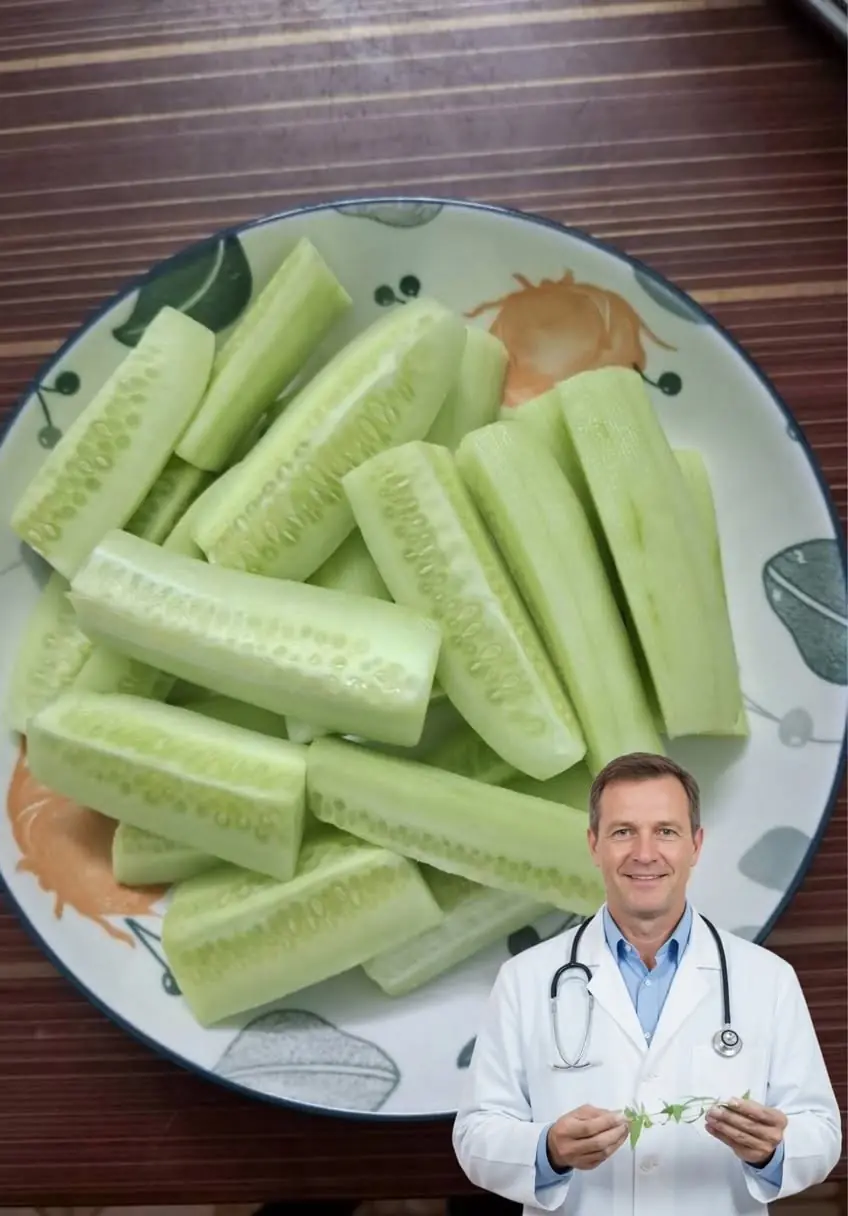
Here’s What Really Happens to Your Body If You Eat Cucumbers Every Day

Did You Know That If You Eat Chicken Gizzards, You Don't Have to Take…See More
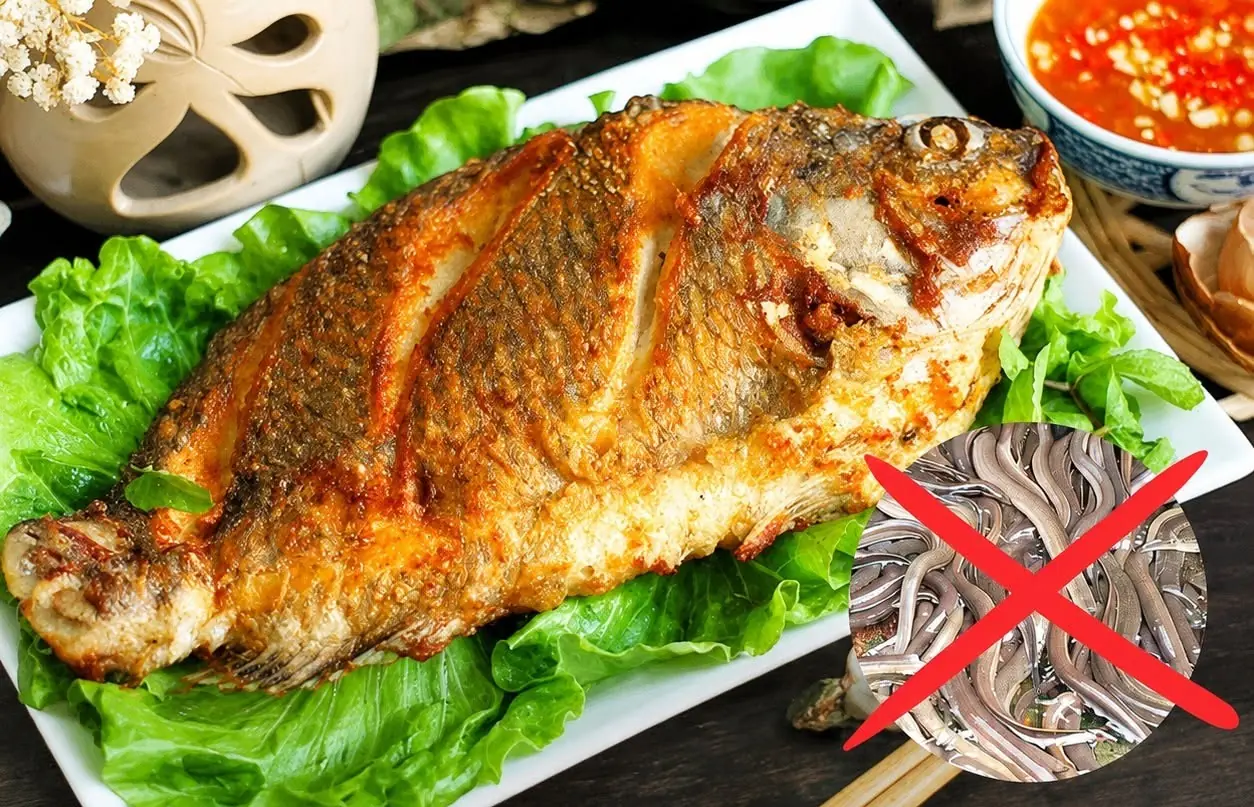
Not all fish are healthy: These 3 types may quietly raise cancer risk — the second one surprises many people
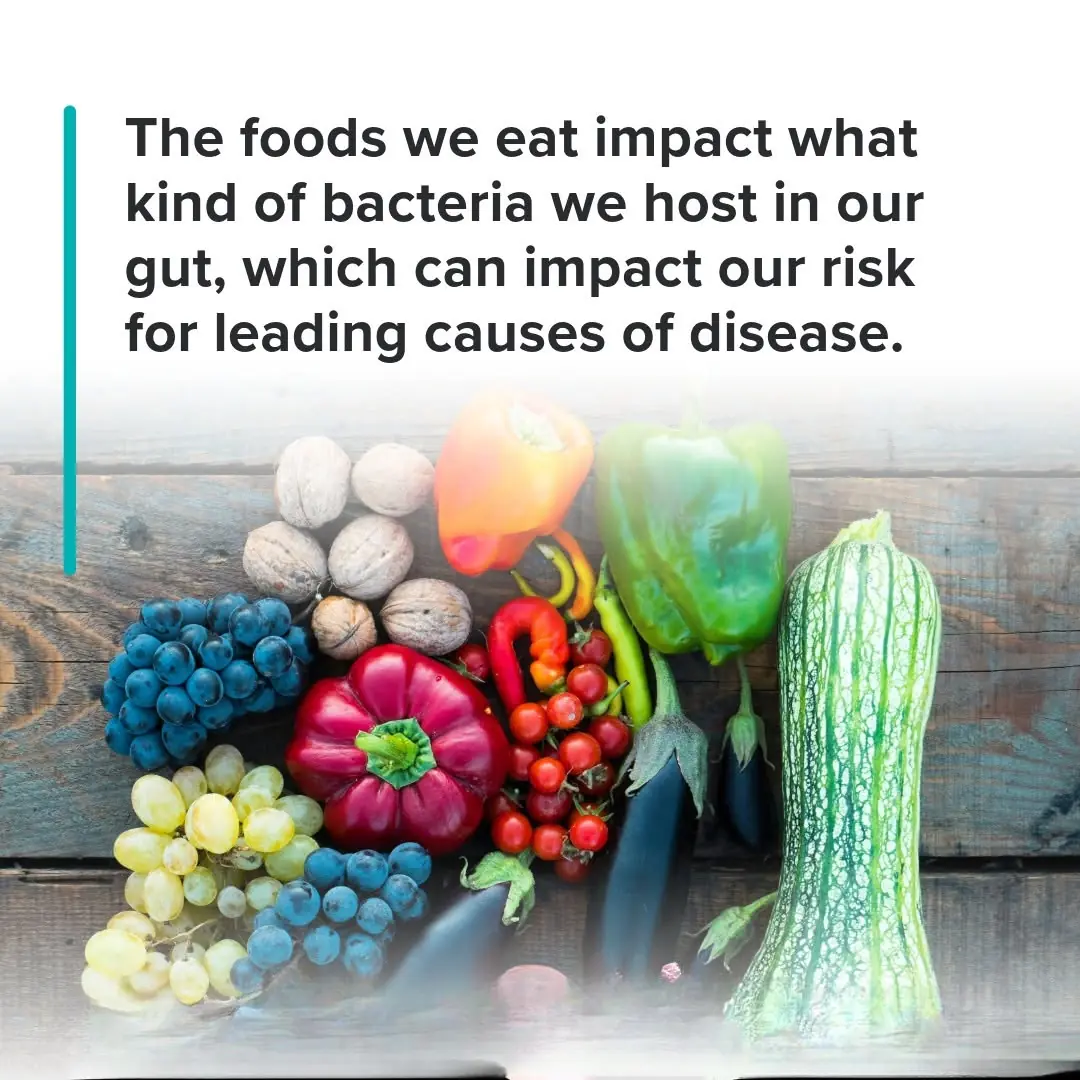
Your Gut Microbiome: How the Foods You Eat Shape Your Health
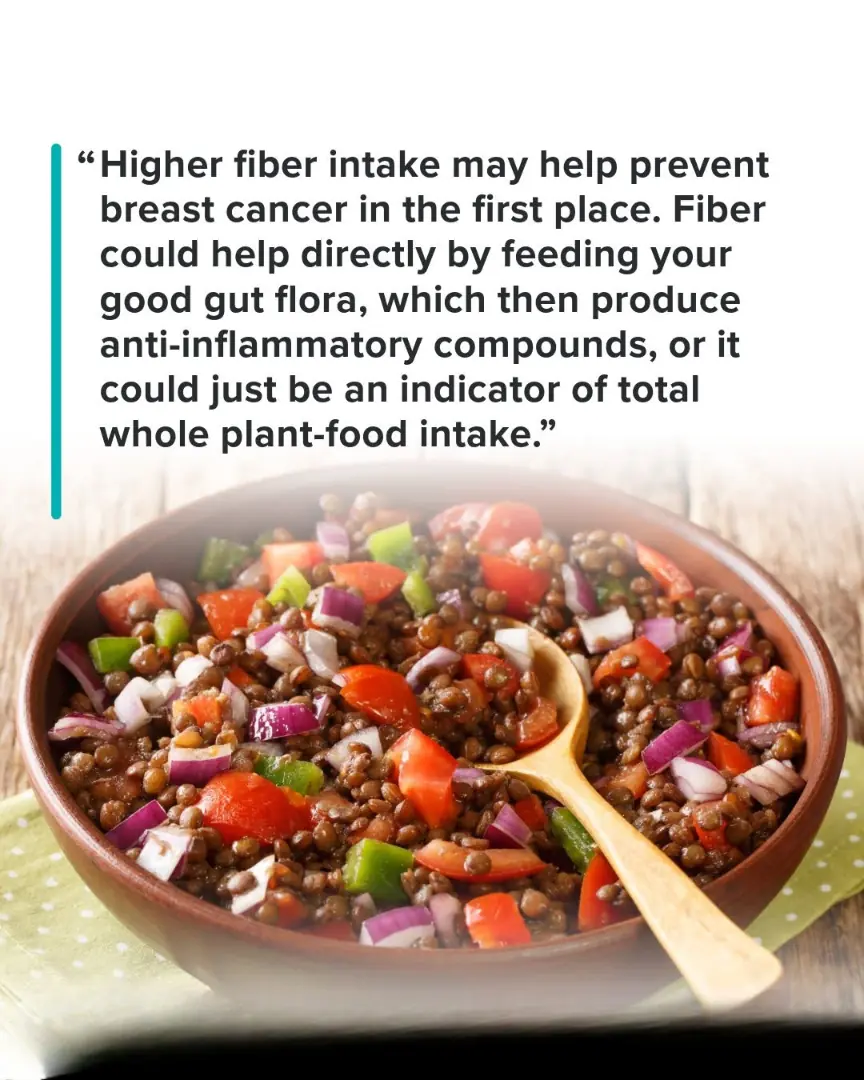
Can Eating More Fiber Help Lower Breast Cancer Risk? Here's What the Research Says
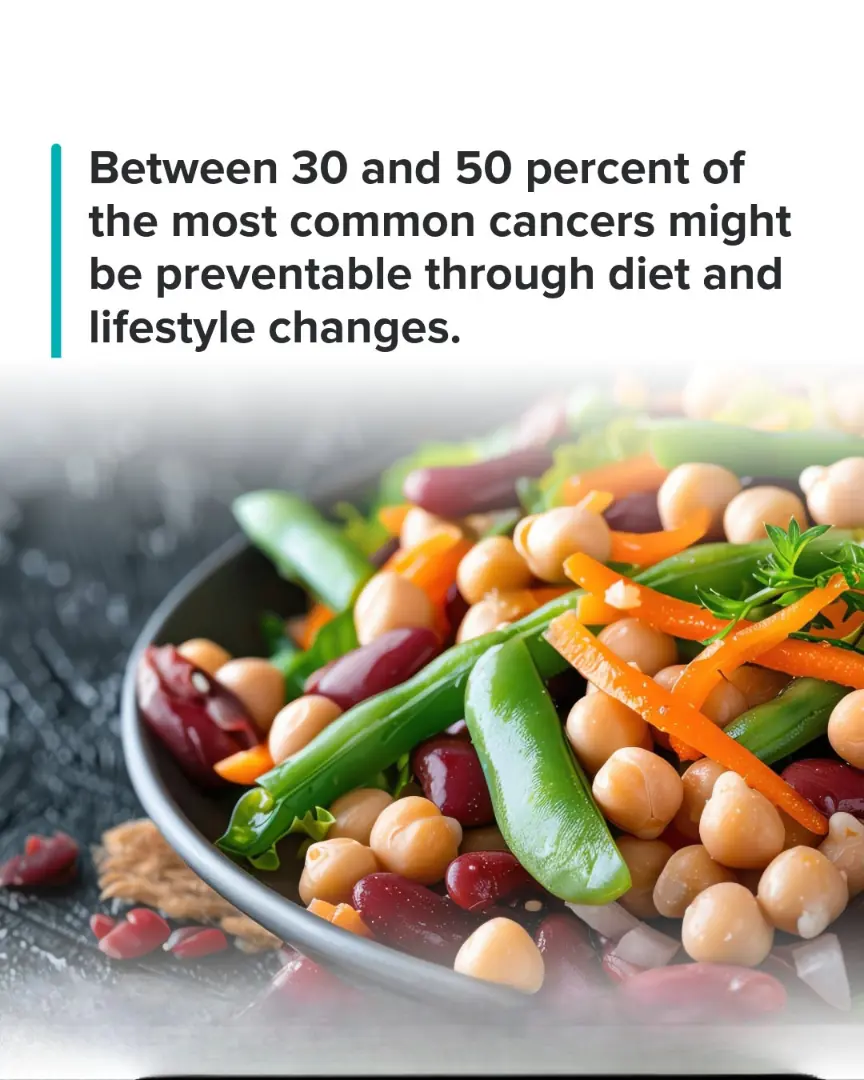
Can Diet and Lifestyle Help Prevent Cancer? What the Science Really Says
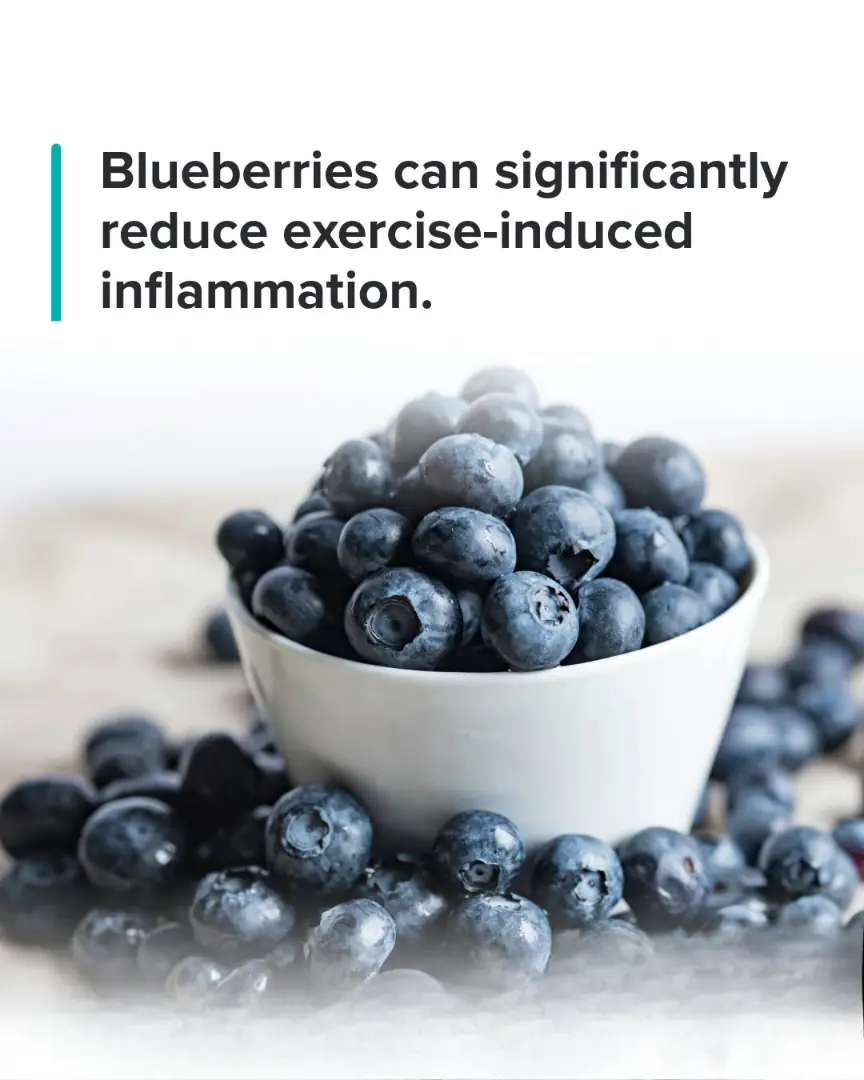
Can Blueberries Help Reduce Exercise-Induced Inflammation? Here's What the Science Says

Why Staying Hydrated Is Essential for Your Mood, Energy, and Overall Health



Can Eating More Fiber Help Prevent Colon Cancer? Here's What the Science Says
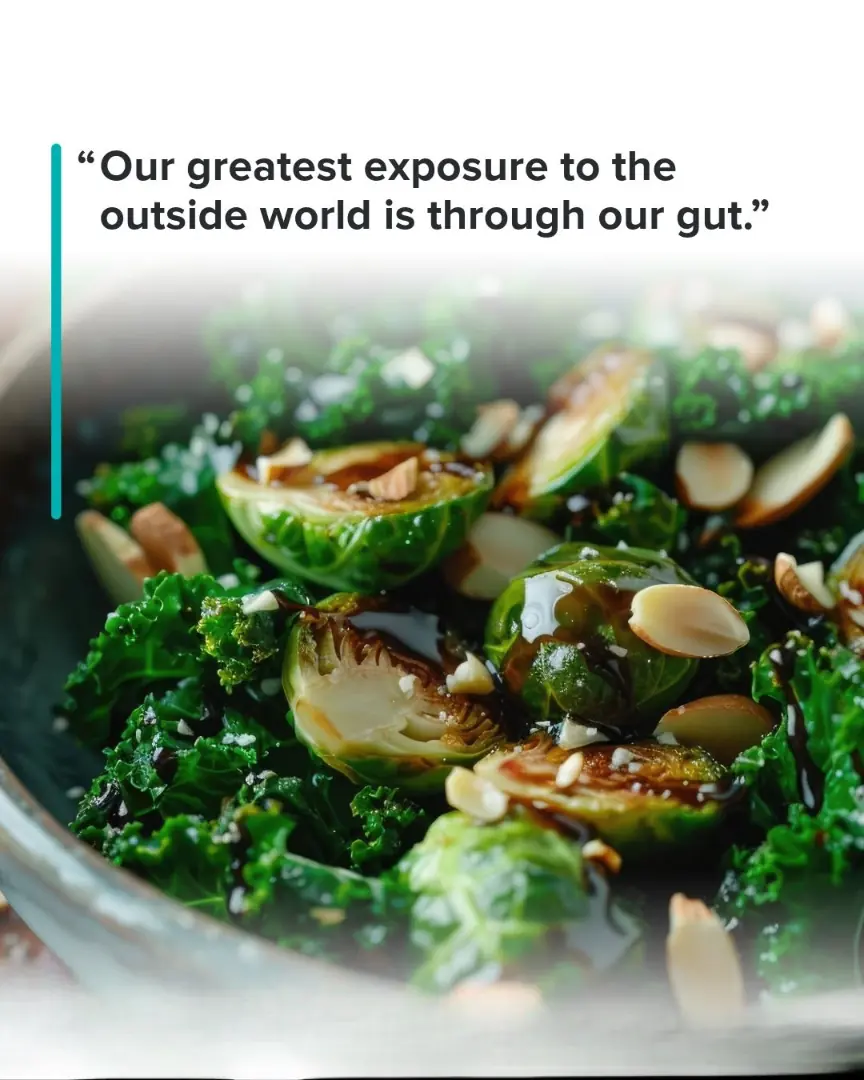
There is a receptor in our gut that is activated by the phytonutrients found in cruciferous vegetables that boosts immune function.
Dairy and Women's Fertility: Does Milk Accelerate Ovarian Aging? What the Science Really Says
Plant-based diets could save the lives of more than ten million people a year. One of the most comprehensive and systematic analyses ever done
Alcohol and Cancer: Can Even Light Drinking Increase Your Risk? Here's What Science Really Says




If you eat bananas at night, you'll increase your... See more
The Vegetable Most Likely To Carry Parasites Is Also One Many People Love Eating Raw
The hidden mistake many people make when handling eggs at home.
Here’s What Really Happens to Your Body If You Eat Cucumbers Every Day
Did You Know That If You Eat Chicken Gizzards, You Don't Have to Take…See More
Not all fish are healthy: These 3 types may quietly raise cancer risk — the second one surprises many people