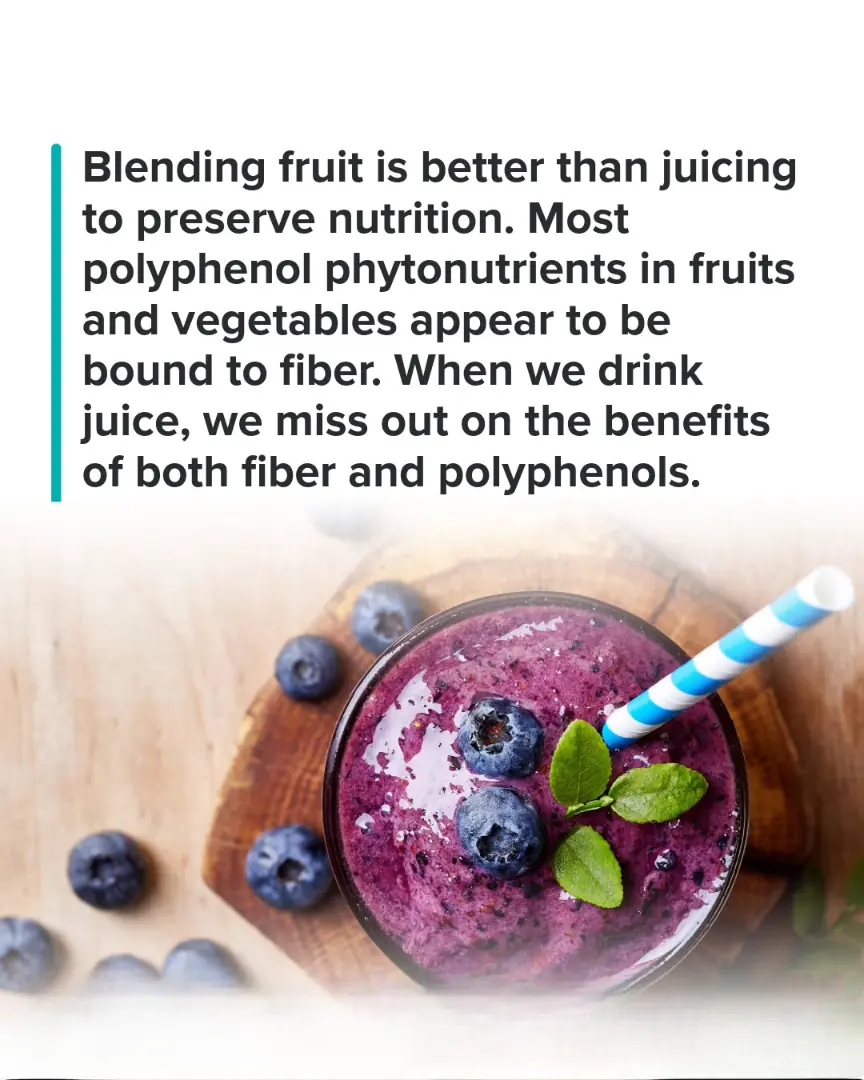
There is a receptor in our gut that is activated by the phytonutrients found in cruciferous vegetables that boosts immune function.
There is a receptor in our gut that is activated by the phytonutrients found in cruciferous vegetables that boosts immune function.
🥛 Dairy and Women's Fertility: Does Milk Accelerate Ovarian Aging? What the Science Really Says
5
Can Dairy Products Really Speed Up Ovarian Aging?
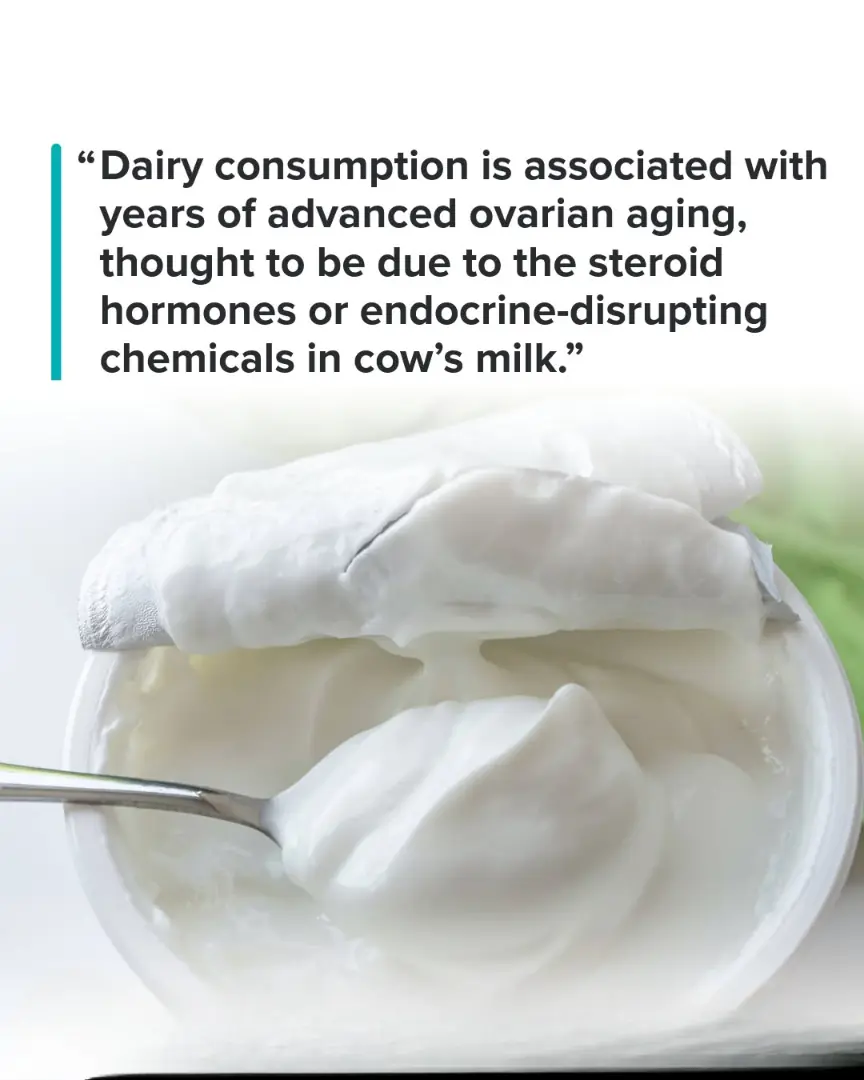
A statement circulating online claims that dairy consumption is associated with years of advanced ovarian aging, possibly due to steroid hormones or endocrine-disrupting chemicals found in cow's milk.
The topic has attracted considerable attention, especially among women concerned about fertility and reproductive health. While some observational studies have explored possible links between dairy intake and ovarian reserve, the evidence is not strong enough to conclude that dairy directly causes accelerated ovarian aging or infertility.
Understanding what researchers have actually found is essential before making major dietary changes.
What Is Ovarian Aging?
Women are born with a finite number of eggs. As they age:
The number of eggs gradually decreases.
Egg quality declines over time.
Fertility naturally decreases.
Menopause eventually occurs.
This process is known as ovarian aging, and it is influenced by many factors, including:
Age
Genetics
Smoking
Body weight
Chronic illnesses
Environmental exposures
Lifestyle habits
Diet is only one of many factors that may influence reproductive health.
Why Has Dairy Been Studied?
Researchers became interested in dairy because cow's milk naturally contains small amounts of hormones, including:
Milk may also contain trace amounts of environmental contaminants, although these are generally regulated and monitored in many countries.
Scientists have questioned whether long-term exposure to these substances could influence hormone-sensitive tissues, including the ovaries.
However, finding a biological possibility is not the same as proving a health effect in humans.
What Does the Research Show?
Some observational studies have reported an association between higher dairy consumption and lower measures of ovarian reserve, such as Anti-Müllerian Hormone (AMH) levels.
However, these studies have important limitations:
They cannot prove cause and effect.
Participants often differ in many lifestyle factors besides dairy intake.
Dietary information is usually self-reported.
Results are not always consistent across different populations.
Other studies have found little or no association between dairy intake and fertility outcomes.
Overall, experts agree that more high-quality research is needed before firm conclusions can be drawn.
Association Does Not Mean Causation
This is one of the most important principles in nutrition science.
If researchers observe that women who consume more dairy have different ovarian aging markers, this does not automatically mean dairy is the cause.
Many other factors could influence the results, including:
Smoking habits
Physical activity
Overall dietary quality
Alcohol consumption
Body mass index (BMI)
Stress levels
Medical conditions
Genetic differences
Only well-designed clinical trials can establish whether one factor directly causes another.
Can Dairy Still Be Part of a Healthy Diet?
For many people, yes.
Milk, yogurt, and cheese provide important nutrients such as:
🥛 Calcium
💪 High-quality protein
🦴 Phosphorus
☀️ Vitamin D (when fortified)
🧬 Vitamin B12
🥛 Riboflavin
🧂 Potassium
These nutrients support:
Bone health
Muscle function
Nervous system health
Healthy growth and development
For individuals who tolerate dairy well, moderate consumption can fit into a balanced eating pattern.
What If You Don't Consume Dairy?
Many people avoid dairy due to:
Lactose intolerance
Milk allergy
Vegan lifestyles
Personal preference
Fortunately, dairy nutrients can also be obtained from other foods.
Examples include:
🥬 Leafy green vegetables
🫘 Beans and lentils
🌰 Almonds
🥛 Calcium-fortified soy milk
🥛 Fortified oat milk
🧀 Calcium-set tofu
🐟 Sardines and salmon with edible bones
🌱 Sesame seeds
If eliminating dairy completely, it's important to ensure adequate intake of calcium, vitamin D, vitamin B12, iodine, and protein, depending on your overall diet.
What Factors Have a Much Greater Impact on Fertility?
Compared with dairy intake, several factors have much stronger evidence for influencing reproductive health:
🚭 Smoking
⚖️ Obesity or being significantly underweight
🍷 Excessive alcohol consumption
😴 Poor sleep
🏃 Lack of physical activity
😟 Chronic stress
🩺 Untreated hormonal disorders
📅 Increasing maternal age
Addressing these factors often has a much greater impact on fertility than focusing on any single food.
Tips for Supporting Reproductive Health
Whether or not you consume dairy, experts generally recommend:
🥗 Eating a balanced diet rich in vegetables, fruits, whole grains, legumes, nuts, and healthy fats.
🐟 Including high-quality sources of protein.
🚶 Exercising regularly.
😴 Getting enough sleep.
🚭 Avoiding smoking.
🍷 Limiting alcohol.
⚖️ Maintaining a healthy weight.
🩺 Seeking medical evaluation if pregnancy has not occurred after 12 months of trying (or after 6 months if over age 35).
These habits support not only fertility but overall long-term health.
Should Women Trying to Conceive Avoid Dairy?
For most women, there is currently no medical recommendation to eliminate dairy solely because of concerns about ovarian aging.
If you have:
Lactose intolerance
A milk allergy
A medical condition requiring dietary modification
your healthcare provider may recommend alternatives.
Otherwise, moderate dairy consumption can generally be included as part of a healthy, balanced diet unless your doctor or registered dietitian advises otherwise.
Final Thoughts
The statement in the image is based on research exploring a possible association between dairy intake and markers of ovarian aging, but it should not be interpreted as proof that dairy causes infertility or accelerates ovarian aging.
Current evidence remains mixed, and many experts believe much more research is needed before changing dietary guidelines for women based on this question alone.
Rather than focusing on a single food, the strongest scientific evidence supports maintaining an overall healthy lifestyle: eating a nutrient-rich diet, staying physically active, avoiding smoking, managing stress, and receiving regular medical care.
🥛 Fertility is influenced by many interconnected factors. A balanced, evidence-based approach to nutrition is far more valuable than eliminating one food based on a single study or social media claim.