“Doctors Reveal That Eating Okra Causes…” — Let’s Separate Clickbait From Facts
The image shows fresh okra with a dramatic teaser suggesting doctors have revealed something alarming about eating it. This type of headline is designed to trigger curiosity — or fear.
Before jumping to conclusions, let’s examine what science actually says about okra.
What Is Okra?


Okra (also called lady’s finger) is a green vegetable widely consumed in Asia, Africa, and the Southern United States. It is rich in:
-
Dietary fiber
-
Vitamin C
-
Vitamin K
-
Folate
-
Antioxidants (such as flavonoids and polyphenols)
It is low in calories and contains soluble fiber that forms a gel-like texture when cooked.
Does Eating Okra “Cause” Health Problems?
For most people, okra is considered safe and nutritious. There is no strong scientific evidence that normal dietary intake of okra causes disease in healthy individuals.
However, there are a few nuanced considerations.
1. Kidney Stones (Oxalate Content)

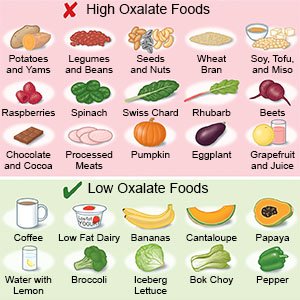

Okra contains oxalates. In people prone to calcium oxalate kidney stones, excessive intake of high-oxalate foods may increase stone risk.
Important:
-
This risk applies primarily to individuals with a history of kidney stones.
-
Moderate consumption is unlikely to cause problems in most people.
It’s about predisposition and overall diet — not one vegetable alone.
2. Digestive Discomfort


Because okra is high in fiber, large amounts may cause:
-
Bloating
-
Gas
-
Mild digestive discomfort
This is common with many high-fiber foods, especially if intake increases suddenly.
Gradual dietary adjustments usually prevent this.
3. Interaction With Blood Thinners
Okra is rich in vitamin K, which plays a role in blood clotting.
For people taking warfarin or other anticoagulants:
-
Large fluctuations in vitamin K intake may affect medication stability.
The solution is not avoiding okra entirely — it’s maintaining consistent intake.
Potential Benefits of Okra


Research suggests okra may:
-
Support blood sugar regulation
-
Promote gut health
-
Help lower cholesterol
-
Provide antioxidant protection
Some preliminary studies show okra may slow carbohydrate absorption, which could benefit people with insulin resistance.
However, okra is not a cure for diabetes or heart disease.
Why These Headlines Exist
Clickbait health headlines often:
-
Suggest secret dangers
-
Imply dramatic discoveries
-
Use vague wording like “doctors reveal”
-
Omit specific evidence
The phrase “causes…” is intentionally incomplete — it drives engagement.
But responsible health communication requires clarity.
Who Should Be Cautious With Okra?
Moderation may be wise for:
-
People with recurrent kidney stones
-
Individuals on strict anticoagulant therapy
-
Those with sensitive digestion
For most healthy adults, okra is part of a balanced diet.
Final Perspective
Eating okra does not inherently cause disease.
Like most foods, its effects depend on:
-
Quantity
-
Individual health status
-
Overall dietary pattern
No single vegetable determines long-term health outcomes.
Balanced nutrition, medical supervision when necessary, and evidence-based decisions matter far more than viral warnings.
If concerned about specific medical conditions, consult a healthcare professional — not a vague headline.
Awareness is useful.
Fear without evidence is not.