Are Some Vegetables “Cancer-Causing”? What You Really Need to Know
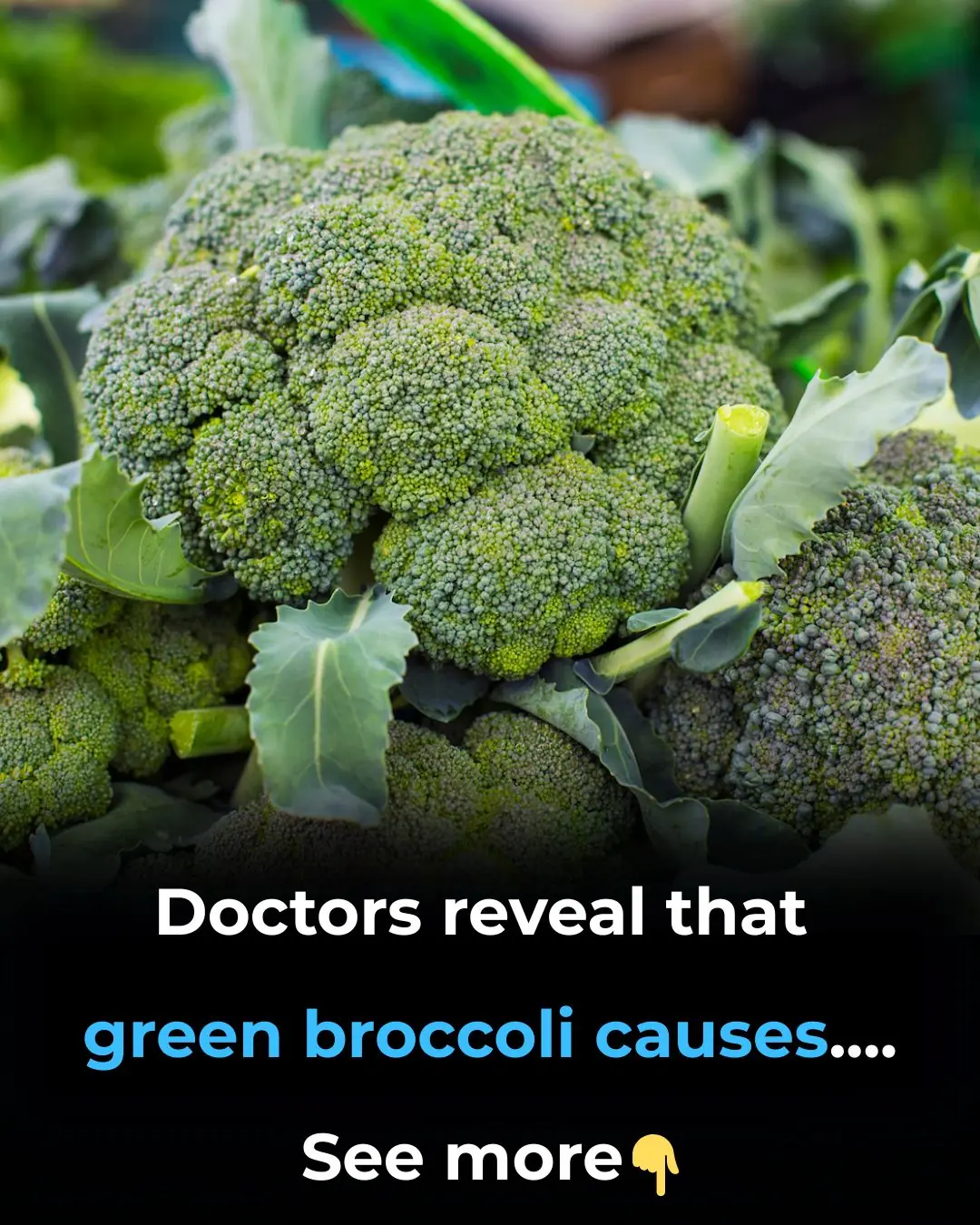
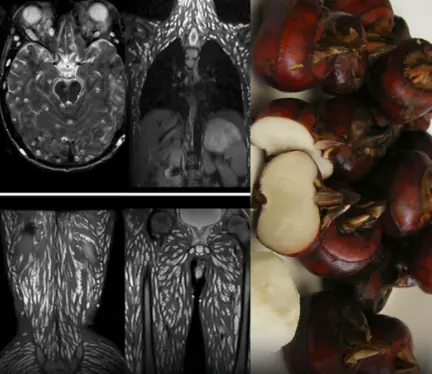
Headlines claiming that certain vegetables are “listed as cancer-causing” can be alarming. The image above suggests that common vegetables — such as bean sprouts — should be stopped immediately due to cancer risk.
Before making drastic dietary changes, it’s important to separate scientific evidence from viral exaggeration.
Let’s examine the facts.
🥦 Are Vegetables Themselves Cancer-Causing?
In general, vegetables are strongly associated with reduced cancer risk, not increased risk.
Large population studies consistently show that diets rich in vegetables:
-
Provide antioxidants
-
Contain fiber
-
Reduce inflammation
-
Support immune function
-
Lower risk of certain cancers
No major health authority lists common vegetables like bean sprouts as inherently carcinogenic.
So where does this fear come from?
⚠ The Real Concern: Contamination, Not the Vegetable Itself


Sprouts (including bean sprouts, alfalfa sprouts, and mung bean sprouts) have occasionally been linked to bacterial contamination, such as:
-
Salmonella
-
E. coli
-
Listeria
This happens because sprouts grow in warm, humid conditions — ideal environments for bacteria if seeds are contaminated.
However, bacterial infection is not the same thing as cancer risk.
🌱 Can Sprouts Increase Cancer Risk?
There is no scientific evidence that properly handled, fresh sprouts cause cancer.
In fact, many sprouts contain beneficial compounds such as:
-
Vitamin C
-
Folate
-
Fiber
-
Phytochemicals
Some laboratory studies even explore potential anti-cancer properties of certain plant compounds found in sprouts.
The problem arises when:
-
Sprouts are consumed raw and contaminated
-
They are spoiled or improperly stored
-
Hygiene practices are poor
Food poisoning is possible — cancer causation is not supported by credible evidence.
🧪 What Does Science Actually Say About Food and Cancer?


The World Health Organization (WHO) and other major research bodies classify carcinogens based on strong evidence.
Known dietary cancer risks include:
-
Processed meats (linked to colorectal cancer)
-
Excessive alcohol
-
High consumption of charred or heavily processed foods
Vegetables are not classified as carcinogenic.
🔎 Why Do These Claims Spread?
Sensational headlines attract attention.
Common tactics include:
-
Using fear-based language
-
Showing microscopic cancer images
-
Suggesting “hidden truths”
-
Urging immediate action
But scientific conclusions require:
-
Large-scale studies
-
Peer-reviewed research
-
Reproducible evidence
Viral posts rarely provide that.
🥗 How to Safely Consume Sprouts and Vegetables


If you want to reduce risk of foodborne illness:
-
Wash sprouts thoroughly
-
Refrigerate promptly
-
Avoid slimy or foul-smelling sprouts
-
Cook sprouts instead of eating raw if high-risk
-
Pregnant individuals, elderly, and immunocompromised people should be cautious with raw sprouts
Proper food handling significantly reduces bacterial risk.
🧠 The Bottom Line
There is no credible scientific evidence that common vegetables like bean sprouts cause cancer.
What can cause health problems?
-
Poor food hygiene
-
Spoiled produce
-
Contaminated seeds
Vegetables remain a cornerstone of cancer-preventive diets worldwide.
✅ Final Thoughts
Before eliminating foods based on viral claims:
-
Check trusted health organizations
-
Look for peer-reviewed evidence
-
Avoid fear-driven headlines
Vegetables — including sprouts — are generally safe and beneficial when handled properly.
Nutrition decisions should be guided by science, not panic.
If you ever have concerns about food safety or cancer risk, consult a healthcare professional or registered dietitian for evidence-based advice.