The Morning Celery Habit: Helpful Boost or Overhyped Trend?
Celery has become a popular “morning ritual” food, often consumed as fresh sticks or juice on an empty stomach. Social media frequently claims it improves digestion, strengthens immunity, and protects heart health.
But how much of that is evidence-based — and how much is hype?
Let’s break it down clearly.
🌿 What’s in Celery?


Celery is low in calories but contains:
-
Dietary fiber
-
Vitamin K
-
Small amounts of vitamin C
-
Potassium
-
Folate
-
Antioxidants such as flavonoids
It is about 95% water, making it hydrating and light.
🥗 1. Celery and Digestion
Celery contains insoluble fiber, which:
-
Adds bulk to stool
-
Supports bowel regularity
-
May reduce constipation
Drinking celery juice removes most of the fiber, so eating whole stalks provides more digestive benefit.
However, celery alone does not “detox” the body — your liver and kidneys already perform that function efficiently.
🛡 2. Celery and Immunity
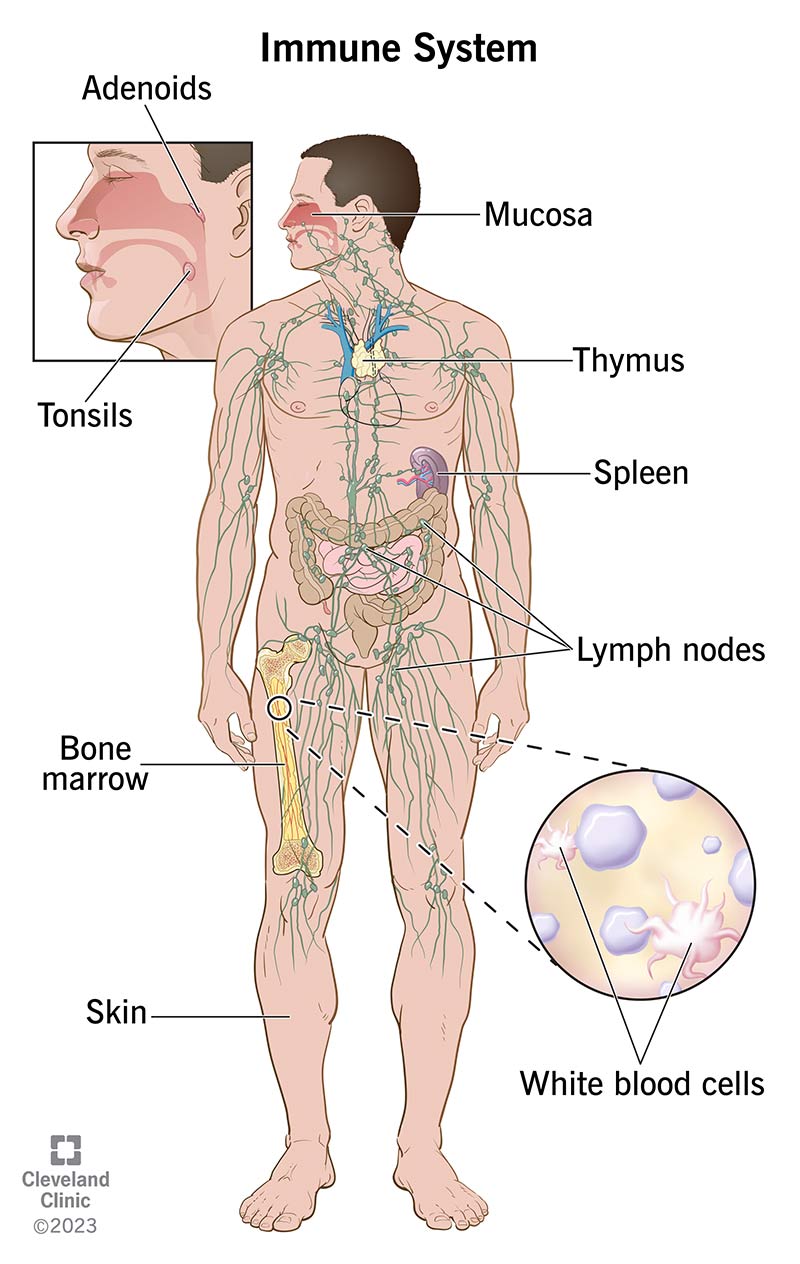


Celery contains antioxidants and small amounts of vitamin C, which contribute to overall immune support.
But immunity depends on:
-
Adequate sleep
-
Balanced diet
-
Protein intake
-
Micronutrient sufficiency
-
Physical activity
Celery can be part of a healthy diet — but it is not a standalone immune shield.
❤️ 3. Celery and Heart Health
Celery provides:
-
Potassium (supports blood pressure balance)
-
Fiber (helps cholesterol control)
-
Plant compounds that may have mild anti-inflammatory effects
Some small studies suggest celery extracts may modestly lower blood pressure, but evidence is limited and not a substitute for medical treatment.
Heart health is influenced more strongly by:
-
Overall diet pattern
-
Sodium intake
-
Exercise
-
Weight management
-
Smoking status
🧃 What About Drinking Celery Juice Every Morning?


Many trends promote 16 ounces of celery juice on an empty stomach.
Potential benefits:
-
Hydration
-
Some antioxidants
-
Light digestive stimulation
Limitations:
-
Low protein
-
Minimal calories
-
Lacks full fiber if strained
-
No proven “detox” effect
For some individuals, large amounts may cause bloating due to natural compounds like mannitol.
⚠ Who Should Be Cautious?
Celery is generally safe, but caution is advised for:
-
People on blood thinners (vitamin K content)
-
Individuals with kidney disorders (potassium concerns in large amounts)
-
Those with celery allergy
-
People prone to digestive sensitivity
Moderation is key.
🧠 The Bigger Picture
The “morning celery habit” can be healthy if:
-
It replaces sugary drinks
-
It’s part of a balanced breakfast
-
It complements a nutrient-rich diet
But it is not a miracle cure for chronic disease.
No single food dramatically transforms digestion, immunity, or heart health on its own.
✅ A Balanced Morning Alternative
Instead of relying solely on celery:
Combine it with:
-
Protein (eggs, yogurt, nuts)
-
Whole grains
-
Fruit
-
Healthy fats
This supports blood sugar balance and sustained energy.
🔎 Final Thoughts
Celery is nutritious, hydrating, and a good addition to meals. Eating it in the morning can contribute to healthy habits — but claims that it “does wonders” should be viewed realistically.
Health improvements come from consistent lifestyle patterns — not a single vegetable.
If you enjoy celery, keep it in your diet. Just don’t expect it to replace comprehensive care or balanced nutrition.
Small habits matter — but only when they’re part of a bigger, sustainable plan.