Health Food 15/02/2026 23:50

Fresh vs Reheated: Why Freshly Cooked Food Often Feels More Satisfying

Have you ever noticed that a freshly cooked meal often feels more satisfying than the exact same dish eaten as leftovers?

It’s not just about temperature.

There is a powerful sensory and psychological experience tied to freshness — and your brain is deeply involved in it.
bánh mì thịt heo nướng giòn với nguyên liệu tươi - fresh vs reheated hình ảnh sẵn có, bức ảnh & hình ảnh trả phí bản quyền một lần
Satisfaction Begins Before the First Bite

When food is freshly prepared, multiple sensory cues activate simultaneously:

Aroma fills the air

Steam signals warmth

Textures feel lively

Flavors appear brighter

Even before eating, your brain begins anticipating the meal.

Anticipation heightens perception — and perception strongly shapes satisfaction.

Reheated food, while still nourishing, often delivers fewer of these signals.

The experience becomes quieter.

Aroma: The Hidden Driver of Appetite

Smell contributes enormously to what we interpret as flavor.

Fresh cooking releases volatile aromatic compounds that gradually fade as food sits and cools.

Reheating restores warmth, but rarely recreates the full aromatic arc of a just-cooked dish.

Think about fresh bread versus reheated bread.
thịt ba chỉ giòn kiểu châu á - fresh vs reheated hình ảnh sẵn có, bức ảnh & hình ảnh trả phí bản quyền một lần
Both are edible.
One feels like an event.

Texture Changes Too

Fresh meals often offer stronger contrast:

Crisp vegetables

Juicy proteins

Creamy grains

Crackling surfaces

After refrigeration, moisture redistributes. Some foods soften; others dry out.

Again — nothing “wrong” with leftovers. But texture is a major satiety signal.

The more engaging the sensory experience, the more complete a meal tends to feel.

The Psychology of “Care”

There is also an emotional layer.

Fresh cooking subtly communicates effort — whether you prepared it yourself or someone else did.

Effort signals importance.

When something feels important, your brain pays closer attention.

And attention increases the likelihood that the meal will register as satisfying.

Why This Matters for Eating Behavior

When meals feel fully experienced, the urge to keep searching for additional food often decreases.
cơm gà nướng indonesia ngon với sambal - fresh vs reheated hình ảnh sẵn có, bức ảnh & hình ảnh trả phí bản quyền một lần
Not because you forced yourself to stop — but because your brain logged the event clearly.

Incomplete sensory experiences sometimes lead to what psychologists call “continuation eating” — grazing not from hunger, but from lack of closure.

Freshness helps create that closure.

Does This Mean Leftovers Are Inferior?

Not at all.

Leftovers are practical, economical, and often essential for busy lives.

The key is knowing how to revive them.

How to Make Leftovers Feel Fresh Again

Small upgrades can dramatically shift perception:

✔ Add fresh herbs
✔ Finish with lemon or vinegar
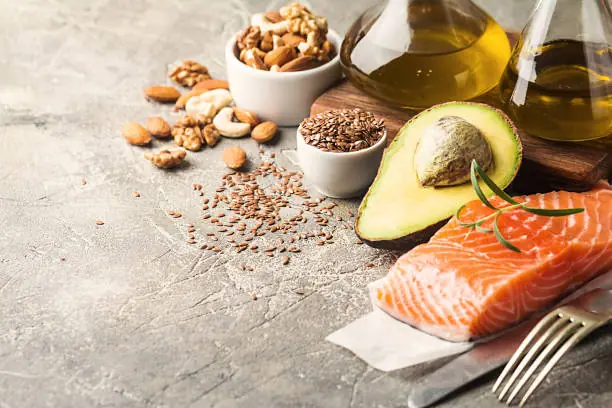
✔ Sprinkle seeds or nuts
✔ Include crunchy vegetables
✔ Drizzle olive oil
✔ Adjust seasoning

Think of leftovers as a base — not a final product.

Even one fresh element can wake the entire dish.

A Helpful Strategy: Hybrid Meals

Pair reheated foods with something newly prepared.

For example:

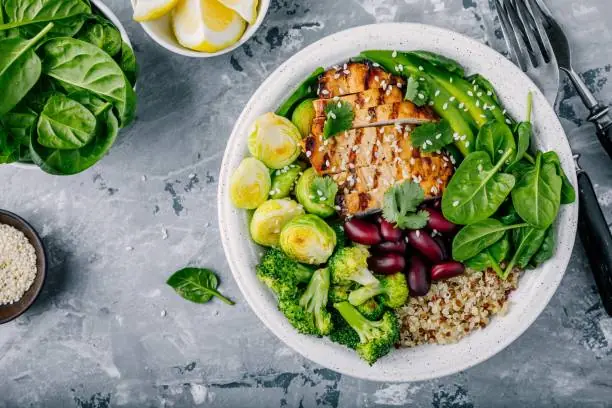
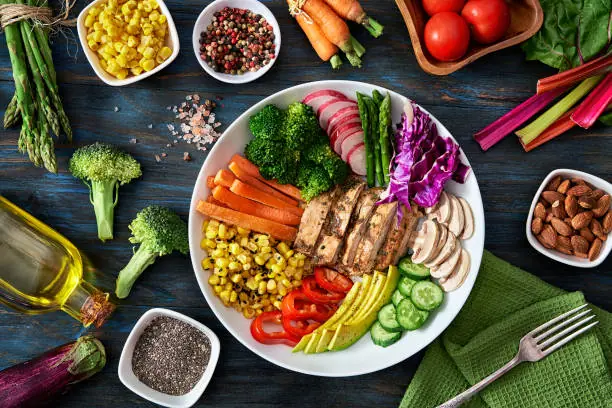
Leftover grain bowl + sliced avocado
Soup + fresh greens
Roasted vegetables + yogurt sauce

Suddenly the meal regains dimension.

The Bigger Insight

Satisfaction is not determined by nutrients alone.

It is shaped by sensory richness — aroma, texture, temperature, and emotional context.

So instead of asking:

👉 “Is this healthy?”

Consider asking:

👉 “Does this meal feel alive?”

Because when food engages your senses, your brain is more likely to say:

“I’ve eaten.”

And that quiet recognition is often what brings the meal to a natural close.

News in the same category

News Post